
Cancer
-
 As some 150 million Americans dig into a hot dog on the July 4 weekend, physicians have uncovered how little we actually know about the health risks of this kind of processed meat. In fact, close to 90% of US adult surveyed poorly informed.
 -
 A new study from Washington University School of Medicine in St. Louis, drawing on tens of thousands of participants in the UK and the US, suggests that the risk of developing cancer isn't just a matter of birthdays; it's about how fast bodies age biologically.
 -
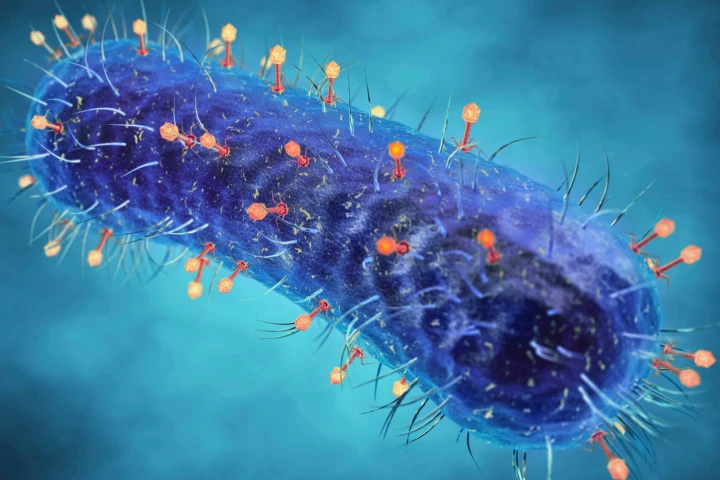 Colorectal cancer has long been linked to a microbial imbalance in the gut. A new study suggests this dynamic is more complicated than initially thought, with not just bacteria behind it but the viruses living inside them.
 -
 For some time, we've known that it's rare to see people with both cancer and Alzheimer's diseases. Now, scientists believe they may have found why, discovering a molecule in cancer cells that clears problem proteins from the brain.
 -
 While heartburn medication can be a lifesaver for those suffering from gastric reflux, several studies over the years have indicated that the drugs could increase stomach cancer risks more than threefold. A new meta analysis says that's likely not the case.
 -
 A bacterium from the gut of Japanese tree frogs has "exhibited remarkably potent" tumor-killing abilities when administered intravenously, outperforming current standard therapies and paving the way for an entirely new approach to treating cancer.
 -
 Researchers have demonstrated how a secret weapon made in the gut, produced by consuming pomegranate and walnuts, can rejuvenate the immune system in middle age, shielding us from cell damage, inflammation and chronic diseases including cancer.
 -
 A large international study of more than 23,000 patients has found that common medicines used to treat high blood pressure and cholesterol, as well as heartburn, may be impacting cancer treatment effectiveness.
 -
 Bitter taste receptors inside cancer cells have been found to be activated in the presence of anti-cancer drugs. Shutting these receptors down could make the cells more susceptible to drug treatment and help us fight the disease more effectively.
 -
 Scientists found that nearly every cancer harbors its own distinct community of microbes – tiny passengers that can influence how tumors start, spread, and respond to treatment, paving the way for a new era of precision medicine.
 -
 Getting a COVID shot might do more than protect against the virus – it could also help cancer patients live longer. A new study found that mRNA vaccines were linked to a doubling in three-year survival for those on immunotherapy.
 -
 In a world-first breakthrough, scientists have discovered how a sugary “cloak” helps bowel cancer hide from the immune system, and how stripping it away could turn the body’s anti-cancer defenses back on.
Load More