
Body and Mind
Incredible progress is being made in health and medicine – every day we learn more about how to maximize physical and mental health, treat and cure illness and disease, and live longer, happier and healthier lives.
Top News
-
 Adding to the growing body of research that proves our microbiome is a powerful ally in fighting disease, scientists have found that an easy-to-get nutrient in our food causes our guts to produce powerful insulin-regulating compounds.
 -
 While the topical application of minoxidil is one of the most effective and popular ways to combat male pattern baldness, it is poorly absorbed by the skin. Looking to improve its efficacy, researchers have turned to an unlikely but very sweet ally.
 -
 Scientists have uncovered an intriguing link between infection and brain health, finding that a common bacterium may advance cognitive decline. It's the latest evidence suggesting that bacteria and infections play a key role in destroying our brains.
Load More
Latest News
-
 It sounds like harmless fun, letting users “buy” food, clothes or other products with no real-world cost, since most of these apps are free. But even when an app or website costs you nothing, they help advertisers better target you in real life.
 -
 An individual’s testosterone levels aren’t fixed – they swing by the hour and the season. And while testosterone is biologically useful, it isn’t the measure of a man; real strength is not something that can be delivered by a hormone shot.
 -
 Skincare's next big leap may come from harnessing the skin's own immune defenses. Researchers say understanding how immune cells regulate inflammation and repair could transform treatments for acne, eczema, psoriasis and healthy aging.
 -
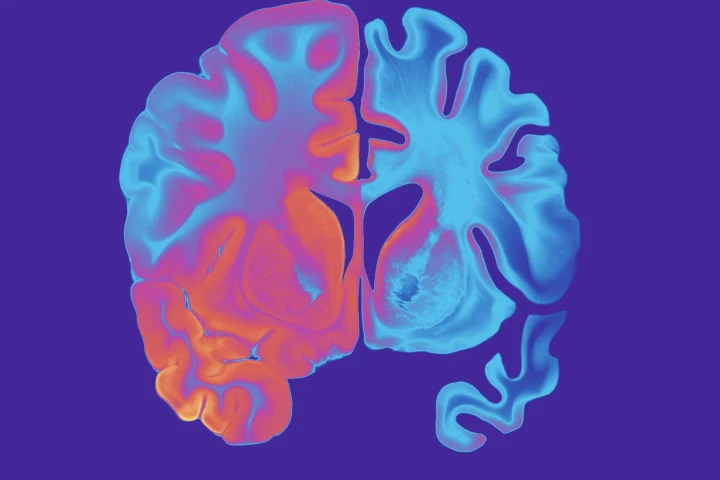 Some brains seem to defy Alzheimer's. This phenomenon, known as cognitive resilience, is one of the most intriguing puzzles in neuroscience today.
 -
 With the explosion of cell phone use over the past two decades, there has been particular concern over whether holding such devices to your ear may increase your risk of brain cancer. A new review finds no evidence that your phone will make you sick.
 -
 In the first study of its kind, scientists have found that swimming can provide relief from chronic low back pain. The trial suggests this exercise is clinically effective for treating this hard-to-target condition.
 -
 Scientists have identified a faulty cellular pathway that may help explain why people with myalgic encephalomyelitis/chronic fatigue syndrome (ME/CFS) experience such profound exhaustion, immune dysfunction, and crashes after exertion.
 -
 Scientists have discovered a neural mechanism that shapes our aversion to individuals we have experienced as a threat, opening the door to understanding how our brain drives dislike in others. It could help us treat conditions such as social anxiety.
 -
 Dipa Kamdar/Kingston University/The Conversation
 -
 Researchers have found that the gut microbiome could help identify people at increased risk of developing type 2 diabetes years before the diagnosis.
 -
 You may have heard the term “porn addiction” used to describe the excessive consumption of this kind of media, in ways that disrupt a person’s life or the lives of those around them. But is porn addictive? Current research suggests it's complicated.
 -
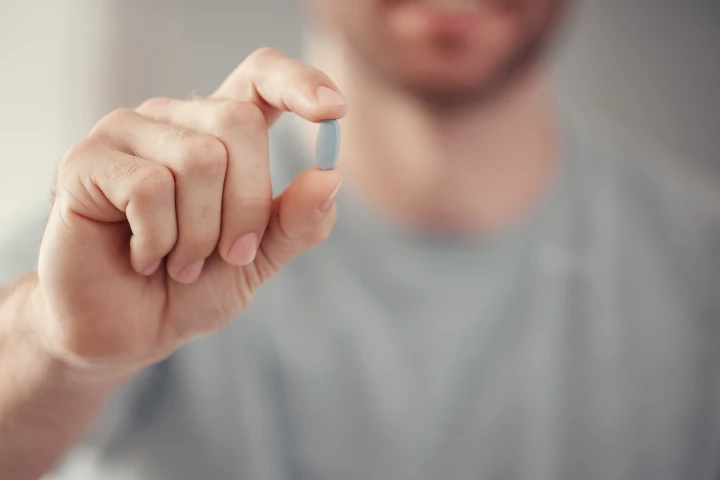 The US Food and Drug Administration has just approved a game-changing pill that can lower LDL cholesterol by around 60%. It's the first protein inhibitor to be made into a daily oral pill, doing away with the need for injections.
 -
 Two years ago, the list of signs and symptoms required to diagnose multiple sclerosis underwent a massive overhaul. Changing the definition of a disease is no small task and can have serious consequences for individuals requiring medical assistance.
 -
 Cold and flu tablets often promise fast relief. But the evidence is clear: for nasal congestion, these medicines do not work as well as they claim. So why are they still being sold?
 -
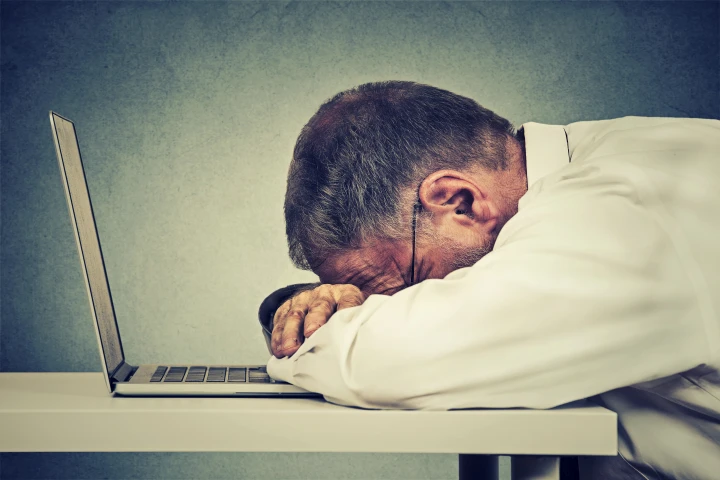 "Sleep debt” assumes your shut-eye works like a bank account. That lost hours stack up, carry over, and you must eventually repay them in full. Well, you'll be pleased to know that it doesn’t work this way. And chasing “enough sleep” isn't helping.
Load More