
Illnesses and conditions
Medical research, treatments, innovations and advancements related to particular physical conditions, including diabetes, cancers, heart disease, obesity, chronic pain, infectious diseases, allergies and others.
Top News
-
 In a breakthrough study, researchers have found that the world's most common type of arthritis – osteoarthritis (OA) – actually has a single core driver with clean-cut molecular pathways. It paves the way for much better treatment.
 -
 A bacterium from the gut of Japanese tree frogs has "exhibited remarkably potent" tumor-killing abilities when administered intravenously, outperforming current standard therapies and paving the way for an entirely new approach to treating cancer.
 -
 Scientists who won a 2024 IgNobel Prize for "discovering that many mammals are capable of breathing through their anus" have now completed a successful trial based on this, using a technique that gets oxygen into the blood via an unconventional route.
Load More
Latest News
-
 With the explosion of cell phone use over the past two decades, there has been particular concern over whether holding such devices to your ear may increase your risk of brain cancer. A new review finds no evidence that your phone will make you sick.
 -
 In the first study of its kind, scientists have found that swimming can provide relief from chronic low back pain. The trial suggests this exercise is clinically effective for treating this hard-to-target condition.
 -
 Scientists have identified a faulty cellular pathway that may help explain why people with myalgic encephalomyelitis/chronic fatigue syndrome (ME/CFS) experience such profound exhaustion, immune dysfunction, and crashes after exertion.
 -
 Dipa Kamdar/Kingston University/The Conversation
 -
 The US Food and Drug Administration has just approved a game-changing pill that can lower LDL cholesterol by around 60%. It's the first protein inhibitor to be made into a daily oral pill, doing away with the need for injections.
 -
 Cold and flu tablets often promise fast relief. But the evidence is clear: for nasal congestion, these medicines do not work as well as they claim. So why are they still being sold?
 -
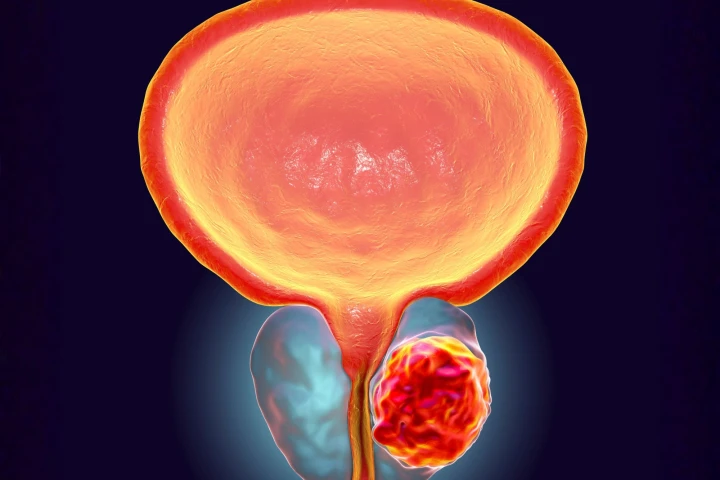 A newly developed antibody has halted the growth and spread of aggressive prostate cancer in preclinical tests, raising hopes for a more targeted way of treating metastatic disease.
 -
 At a time when more than one billion people are living with obesity,GLP-1s are widely viewed as among the biggest advances in obesity treatment. But one important question is becoming harder to avoid: what happens when people stop taking them?
 -
 A recent study builds on previous findings, discovering that people who had experienced a serious heart attack also had higher levels of MNPs than healthy volunteers and patients with chronic ischemic heart disease.
 -
 Ten months on from the huge news that a chlamydia vaccine had been approved for Australia's koalas, a young female has become the first to receive the groundbreaking medicine in a new dose-and-implant format that makes large-scale treatment possible.
 -
 Around one in three people worldwide have been infected with a microscopic parasite called Toxoplasma gondii, which can cause toxoplasmosis. After the initial infection, toxo settles into our muscles and brain, where it can remain for life.
 -
 A new treatment has shown promise in reducing migraine pain with targeted ear acupuncture, opening the door to therapy that could be used as a complementary procedure alongside existing medication prescribed to those with the debilitating condition.
 -
 Scientists have found what may be a critical trigger in allergic asthma, estimated to affect 60% of the 28 million Americans with the chronic respiratory condition. It opens the door to new ways to protect airways from inflammation and its symptoms.
 -
 A lengthy trial robbing adults of 90 minutes of sleep a night has uncovered the effect even this small amount of lost shut-eye has on the waistline after little more than a month. It also increased the risk factors for chronic disease.
 -
 Thousands of RNA virus species have been identified, and there may be millions, but only 239 infect humans. Scientists have now published a catalogue that helps other researchers – as well as all of us – pinpoint the riskiest ones.
Load More