
Cancer
The latest scientific research and clinical treatment advances for many different types of cancer.
Top News
-
 A bacterium from the gut of Japanese tree frogs has "exhibited remarkably potent" tumor-killing abilities when administered intravenously, outperforming current standard therapies and paving the way for an entirely new approach to treating cancer.
 -
 In a groundbreaking study, a healthy fatty acid in olive oil has been found to "supercharge" immune cells that fight cancer. Meanwhile, another kind of natural fat undermines the health of the same cells, killing them off and triggering inflammation.
 -
 A new drug combination to treat advanced recurring prostate cancer has shown remarkable results in a long-term trial, lowering the risk of death after eight years by 40.3%. What's more, the drug treatments are already FDA-approved on their own.
Load More
Latest News
-
 With the explosion of cell phone use over the past two decades, there has been particular concern over whether holding such devices to your ear may increase your risk of brain cancer. A new review finds no evidence that your phone will make you sick.
 -
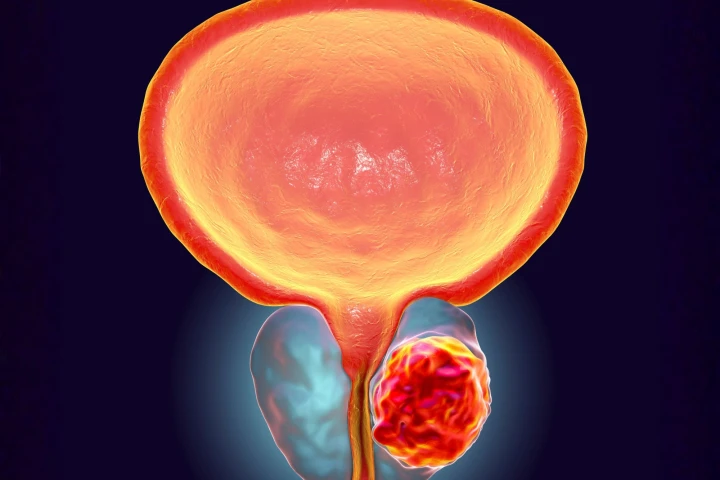 A newly developed antibody has halted the growth and spread of aggressive prostate cancer in preclinical tests, raising hopes for a more targeted way of treating metastatic disease.
 -
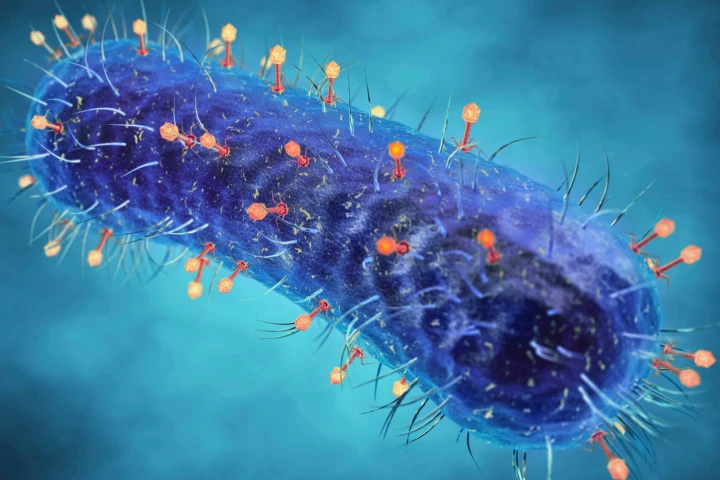 Colorectal cancer has long been linked to a microbial imbalance in the gut. A new study suggests this dynamic is more complicated than initially thought, with not just bacteria behind it but the viruses living inside them.
 -
 For decades, successfully targeting the central mechanism that causes the vast majority of pancreatic cancers was considered impossible. However, that narrative is rapidly changing ...
 -
 While heartburn medication can be a lifesaver for those suffering from gastric reflux, several studies over the years have indicated that the drugs could increase stomach cancer risks more than threefold. A new meta analysis says that's likely not the case.
 -
 For the first time, scientists have demonstrated how tanning beds cause fundamental DNA damage across almost the skin's entire surface that results in a threefold risk of developing melanoma. It puts beyond doubt the dangers of using these devices.
 -
 A large international study of more than 23,000 patients has found that common medicines used to treat high blood pressure and cholesterol, as well as heartburn, may be impacting cancer treatment effectiveness.
 -
 Bitter taste receptors inside cancer cells have been found to be activated in the presence of anti-cancer drugs. Shutting these receptors down could make the cells more susceptible to drug treatment and help us fight the disease more effectively.
 -
 Scientists have identified a pair of pesky enzymes responsible for prolonging prostate cancer – which means we can potentially target them for quicker and more effective treatment of a condition that affects 1.5 million men around the world annually.
 -
 For the first time, scientists have detailed how glioblastoma has a unique path of progression, aggressively gnawing away at the skull bone itself to affect marrow – explaining why drugs that are intended to impede its growth end up making it worse.
 -
 For the first time, scientists have identified 27 bacteria and fungi in our mouth that contribute to pancreatic cancer. Collectively, carrying all of these “bad” microbes increases cancer risk by 250% – 3.5 times higher than in the general population.
 -
 New research shows lymph nodes aren’t just cancer bystanders, they’re the command centers fueling immune attacks. Surgically removing them along with tumors may weaken treatment, while preserving them could supercharge it.
 -
 An inexpensive, over-the-counter form of vitamin B3 cut new skin cancers by an average of 14% in a study of more than 33,000 people. Among those who began taking a daily dose after a first diagnosis, the risk of a repeat skin cancer fell by up to 54%.
 -
 A study involving more than 1,000 cancer patients has found that a low dose of aspirin halves the risk of colorectal tumors returning after surgery. This readily available and affordable treatment could change the health outcomes of many survivors.
 -
 A new breakthrough removes the dangers involved in a process called STING, in which the body's own immune system can be enlisted to fight cancer. The finding clears the way for a powerful, and safe, weapon against tumors.
Load More