
Brain cancer
-
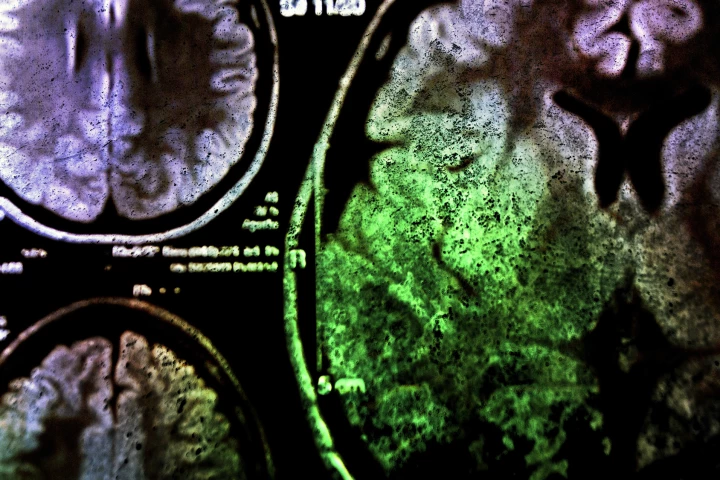 A new study offers hope for brain cancer patients facing memory loss from radiotherapy. By blocking a single immune receptor, scientists preserved cognition in mice without dulling the cancer-killing power of radiation.
 -
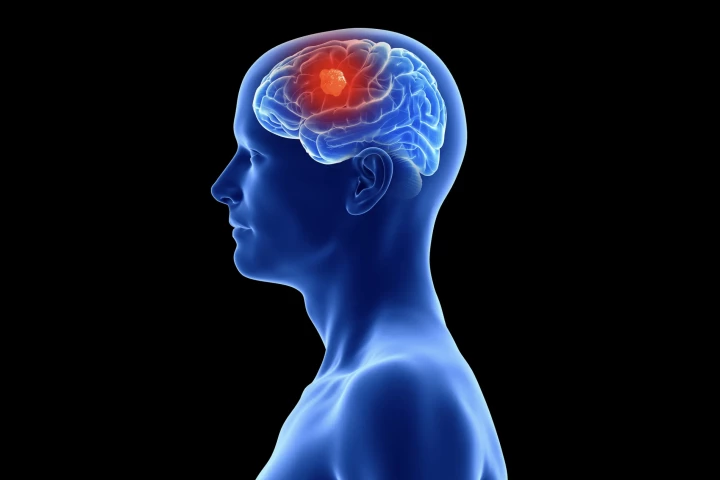 For the first time, scientists have detailed how glioblastoma has a unique path of progression, aggressively gnawing away at the skull bone itself to affect marrow – explaining why drugs that are intended to impede its growth end up making it worse.
 -
 New research by Yale has found an association between exposure to chemicals commonly used in firefighting and incidence of a brain tumor called a glioma in firefights, suggesting that the cancer may have an environmental cause.
 -
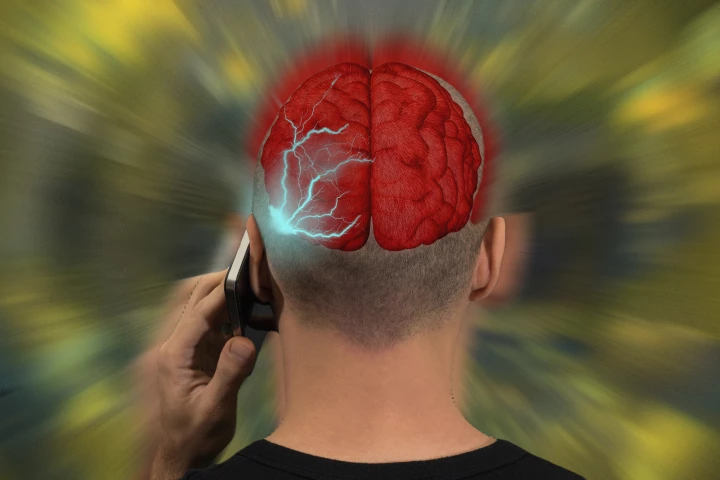 The relationship between mobile phone use and an increased risk of brain cancer is a debate that's been around almost as long as mobile phones themselves. A huge study from the WHO that's just been released should put the question to rest.
 -
 Using very low-dose X-rays to activate compounds that light up and generate cancer-killing free radicals stalled brain tumor growth and doubled survival time, according to a new study. Importantly, healthy cells were left unaffected.
 -
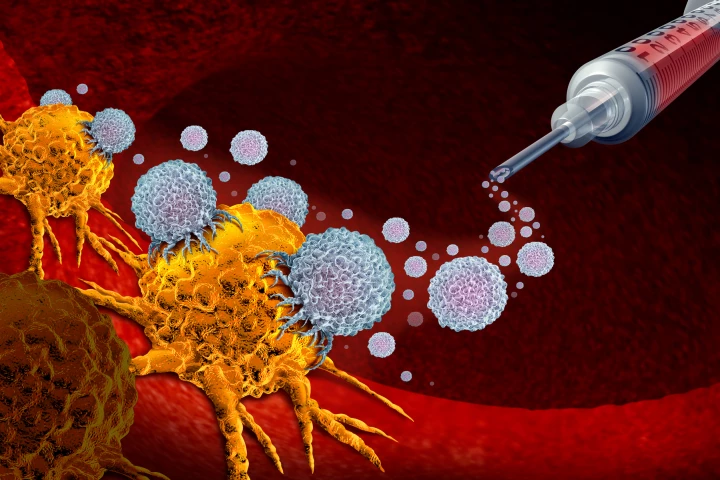 Glioblastoma is one of the most deadly cancers, with few treatment options available. Now, a small human clinical trial has demonstrated an mRNA vaccine that quickly rallies the immune system to fight off the tumors, with promising results.
 -
 Researchers have found that a drug used to treat the symptoms of Parkinson’s disease may be effective at treating metastatic breast cancer and the brain metastases that can often result. The repurposed drug could be a novel cancer treatment.
 -
 Researchers have discovered how a metabolite involved in repairing damaged DNA not only controls a person’s sensitivity to cancer therapies but can also protect healthy tissues from damage. The findings may lead to more effective cancer treatments.
 -
 Researchers have created the world’s first biobank of living tissue collected from patients with metastatic brain cancer, providing a means of research and drug testing, with the data collected available to the international scientific community.
 -
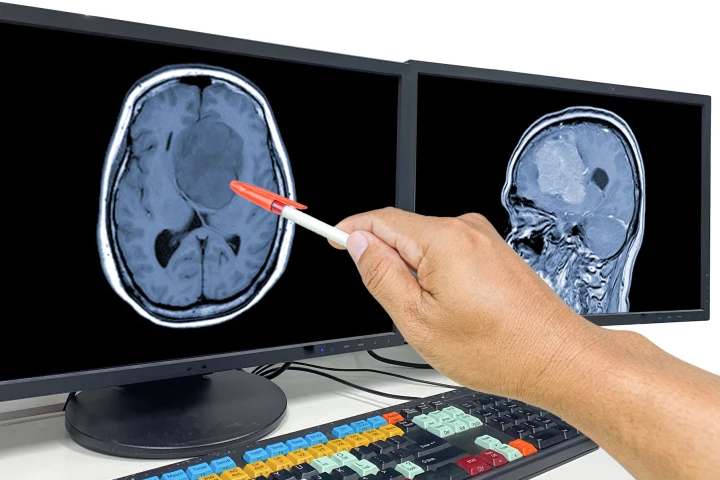 Researchers have discovered that cerebrospinal fluid, the brain's shock absorber, may cause treatment resistance in people with brain cancer. But they identified a sixty-year-old drug that can be repurposed to resensitize cancer cells to treatment.
 -
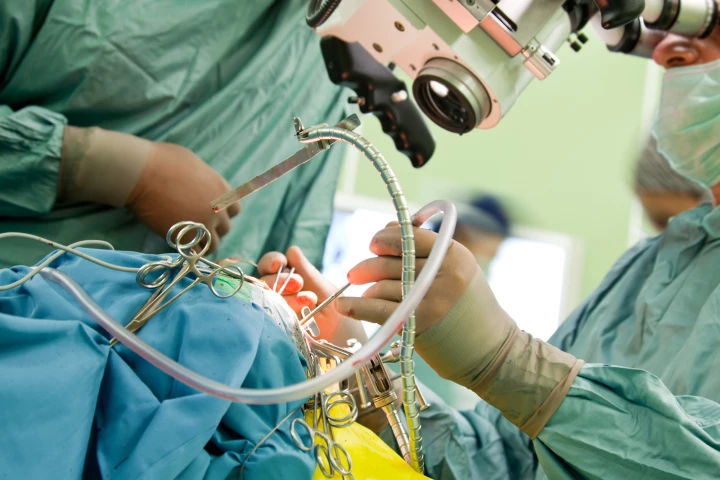 Researchers at Harvard Medical School have developed a new AI-powered tool to help brain surgeons combat cancer. CHARM rapidly evaluates tumorous tissue during surgery to help professionals make on-the-spot decisions about how to proceed.
 -
 The blood-brain barrier performs a vital function in keeping out toxins and pathogens, but it can become “leaky.” Now Stanford scientists have identified therapeutic molecules that could help patch it up, to potentially prevent neurological diseases.
Load More