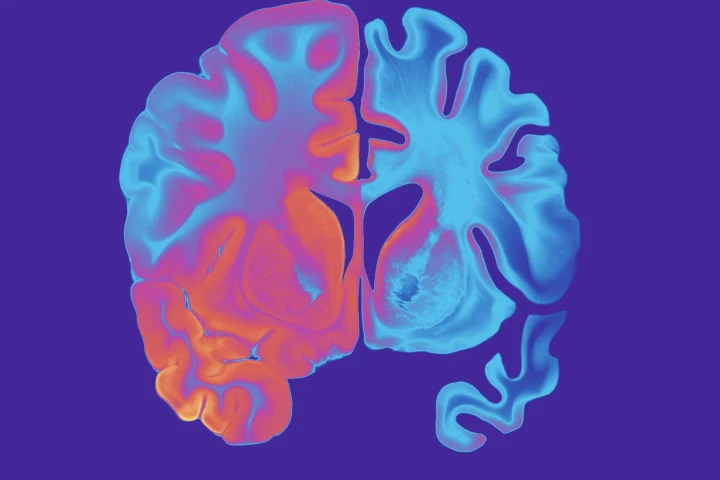



Glucose levels have been linked with the accelerated aging of the human brain in a new study by researchers in China, highlighting the benefits of healthy eating and exercise early in life to keep your brain fighting fit in old age.
A small team of scientists from Jilin University and China Medical University trained a machine learning tool on the neurological features of more than 4,000 healthy volunteers, teaching it to estimate differences between their brain’s biological age and chronological age.
The resulting model was then used to determine the “brain age gap” of nearly 37,500 participants in the UK Biobank, identifying individuals whose brains looked older than their birthday would presume.
An analysis of 168 metabolites in the blood samples of nearly 22,000 individuals revealed 89 chemical markers linked with accelerated brain aging, including more than 40 types of low and very low density lipoproteins (commonly regarded as the bad kind of cholesterol) and 20 high density lipoproteins.
Yet a handful of molecules stood out more than the others. Some were glycoprotein acetyls, or GlycA – a group of low-grade inflammation biomarkers already associated with risk of cardiovascular disease. Another was lactate, which rises in muscles and the brain when tissues don’t receive oxygen.
Most notably, however, was good old glucose. The sugar that keeps our cells fueled.
To determine the nature of the relationship, the researchers used a statistical tool called Mendelian Randomization (MR), which assesses the randomness of mutations in the genes of a sampled group to determine that high levels of glucose are likely responsible for the expanding brain age gap.
The precise nature of this connection isn't clear, though previous studies have also linked diabetes and prediabetes with rapid brain aging, further highlighting a link between glucose metabolism and a decline in neurological functioning.
The study included a count of millions of single-point mutations in nearly 33,500 participants’ genomes, which not only provided the foundations for MR, but also confirmed several genetic changes that also speed up aging in our brains.
There’s little we can do about inheriting a bunch of genes that make our brains old before our time.
Yet knowing the elevated glucose is likely to have played a key role in the acceleration of brain aging, it’s possible to reduce the risks of a variety of neurological conditions through changes in our lifestyle.
"Clinically, elevated plasma glucose was positively associated with seven brain disorders, including all-cause dementia, Alzheimer's disease, vascular dementia, Parkinson's disease, stroke, depression, and anxiety, and negatively associated with cognitive performance, movement function, and mental health outcomes," the researchers write in their published report.
"Higher glucose concentrations were also associated with reduced regional brain volumes across 80 cortical, subcortical, and cerebellar regions. These findings implicate glucose metabolism as a modifiable pathway in brain aging, with implications for early intervention strategies aimed at preserving brain health across the lifespan."
Physical activity, Mediterranean-style diets, and effective weight management can all do wonders not just for our heart, but also help keep us cognitively young long into our twilight years.
This research was published in Molecular Psychiatry.
Source: Jilin University and China Medical University via MedicalXpress
Fact-checked by Bronwyn Thompson