
Wearable
-
 A new “audio shield” uses earbuds connected to hand-mounted microphones for hearing the subtle sounds of everyday tasks. The mechanism helps users block the perpetual hurricane of distractions and achieve mindfulness, reducing the effects of ADHD.
 -
 Does the feeling of standing up too fast and suddenly getting lightheaded sound familiar? Tracking your blood flow can explain why this is happening, and that’s what sets Lumia 2 apart from other similar energy-management devices.
 -
 Although there already are "smart" contact lenses that monitor the eyes for signs of glaucoma, the devices are typically only worn when the patient is awake. A new type of contact lens, however, watches over the eyes throughout the night, too.
 -
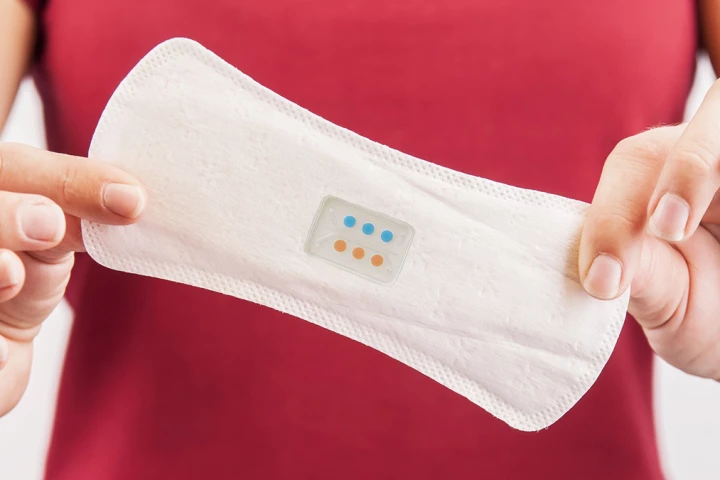 Researchers have developed a first-of-its-kind wearable tech that quickly, simply, and non-invasively tests for important health markers using menstrual blood. The affordable device could revolutionize women’s healthcare.
 -
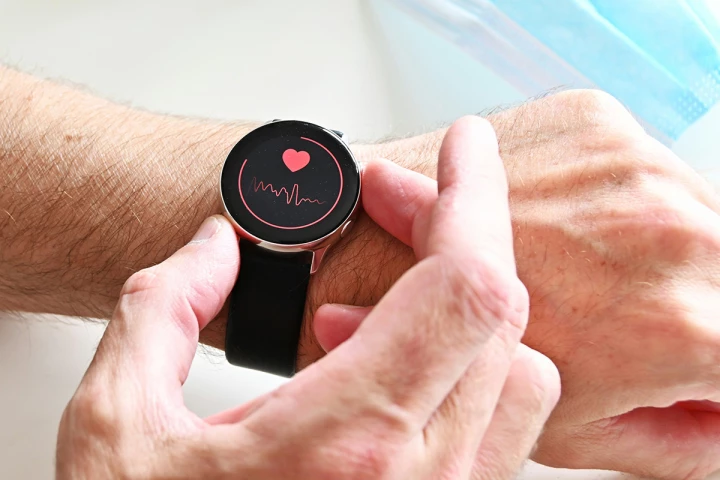 Researchers have developed technology to detect heart attacks in real time with a high degree of accuracy, and packed it into a chip that could fit in a wearable device. The team hopes it may someday feature in life-saving medical gadgets.
 -
 It's not uncommon for patients to hide their true emotions from their caregivers – or even from their own conscious selves. An experimental new facial "sticker" could help, by detecting and relaying information on its wearer's present state of mind.
 -
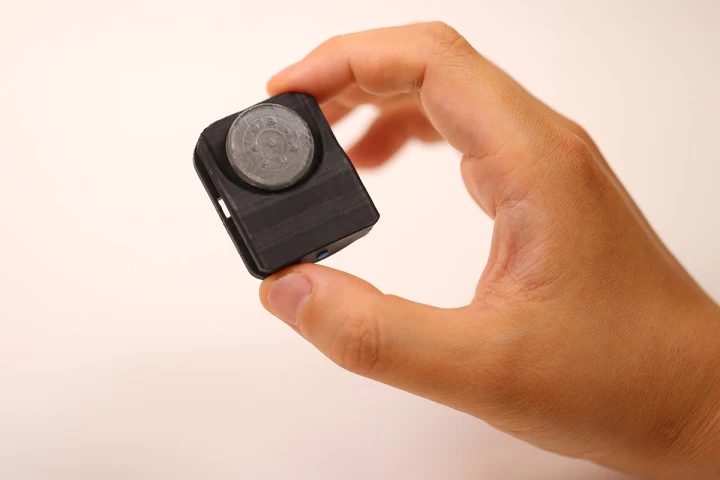 Did you know you emit gases through your skin? These vapors, which include CO2 and volatile organic compounds, can provide insights about your metabolic status, disease states, and overall health. A new wearable can help make sense of it all.
 -
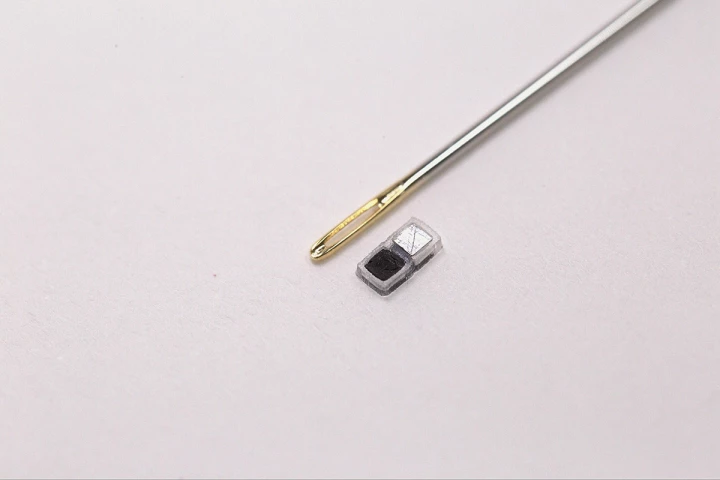 Engineers at Illinois' Northwestern University have developed the tiniest pacemaker you'll ever see. It's several times smaller than a regular pacemaker, and it's designed for patients several times smaller than the average pacemaker user.
 -
 Not many people fancy the idea of spending the night in a sleep clinic with multiple electrodes stuck to their skin. That's why scientists have developed a smart pajama top that assesses sleep disorders while its wearer comfortably slumbers at home.
 -
 As everyone knows, scratching at chronically itchy skin only makes the problem worse. A new device is claimed to help stop dermatitis patients from doing so while they sleep, without waking them up in the process.
 -
 A clever new set of glasses may offer new hope to people with macular degeneration. By copying the structure of a fly's eyes, the specs are claimed to "fill in" the missing section of the wearer's view of the world.
 -
 If you've ever used a nutrition app or kept a food diary to track calories, you'll know just how cumbersome the process can be. That's where the first automated food-logging wearable comes in, gathering all the data without any of the effort from you.
Load More