
Virginia Tech
-
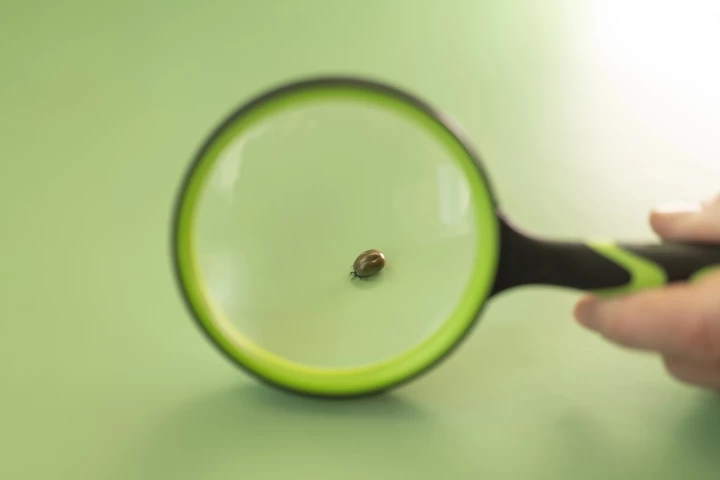 From fleas to mosquitoes, there's no shortage of organisms we consider pests. But thanks to new genetic detective work, scientists have named and shamed the resilient, highly adaptive – and frustratingly hard to kill – bug that got to us first.
 -
 An alarming new report reveals that right across the country, 28 US cities are sinking, showing the kind of geologic subsidence that could impact buildings and infrastructure sooner rather than later. But, scientists say it's not yet too late to fix.
 -
 A compound that occurs in mature olives and olive oil can regulate glucose and ramp up weight loss in rapid time, mimicking the effects of existing medication. This opens the door for developing safe, natural treatments for obesity and type 2 diabetes.
 -
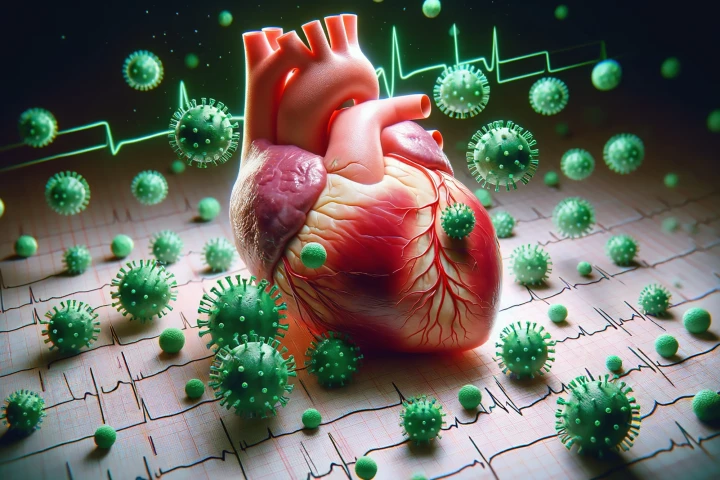 Inflammation from a viral infection has traditionally been thought to cause acute myocarditis, which can lead to fatal heart arrhythmias in healthy young adults. Now, it seems it's something else that damages heart cells before inflammation kicks in.
 -
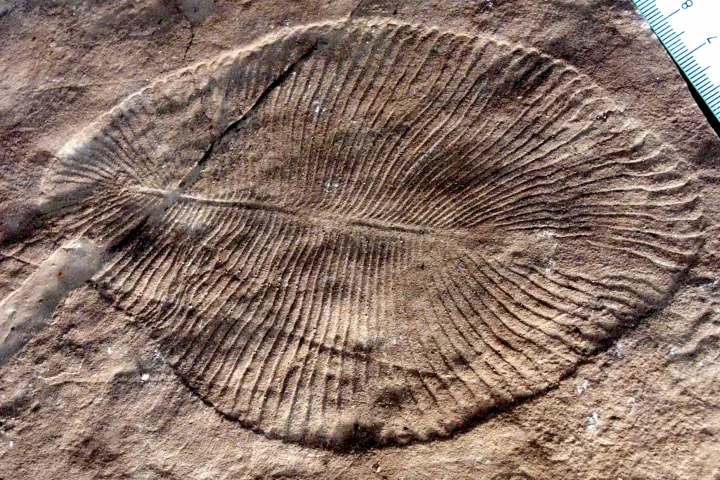 It's thought the Earth is currently entering its sixth major extinction event, but a new study suggests it may actually be the seventh. Scientists have found evidence of a previously unknown mass extinction event that struck half a billion years ago.
 -
 Not only are surgical scars unsightly, but their limited elasticity can also reduce the patient's range of motion. There may be new hope, though, as a recent study has shed light on how a therapeutic peptide could drastically reduce such scarring.
 -
 Engineers at Virginia Tech have developed a new, more efficient solar still design. Inspired by mangrove roots, the "synthetic tree" mimics the natural process of transporting water up through roots and stems into leaves.
 -
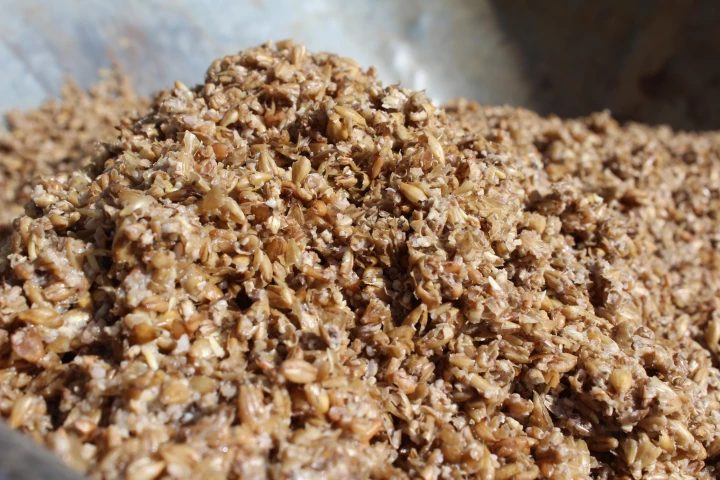 The brewing of beer produces great quantities of leftover grain, which often ends up being processed into cattle feed. Scientists have developed a new method of extracting the protein and fiber from that waste, however, for use by humans.
 -
 Dopamine and serotonin are brain chemicals implicated in a range of neurological disorders including Parkinson’s and depression. A new tool is offering an unprecedented look at these neurotransmitters in action.
 -
 Headlines lately have been screaming about how scientists in Antarctica have discovered evidence of a parallel universe where time runs backwards. While we seriously wish that was true, a new study has put forward a more realistic explanation.
 -
 Researchers have identified a new molecule that manipulates the metabolic process so that the body burns more fuel than is actually necessary, reducing body fat in mice without requiring changes to their diet.
 -
 Two paleontologists at Virginia Tech have found micro-fossils of green seaweed in China that are one billion years old and may be related to the first plants to colonize the land in Earth's distant past, 450 million years ago.
Load More