
UC Santa Barbara
-
 Genetic studies have revealed that when male mosquitoes lose their hearing, they also lose their sex lives. The surprising discovery could lead to new ways to reduce mosquito populations and the diseases they spread.
 -
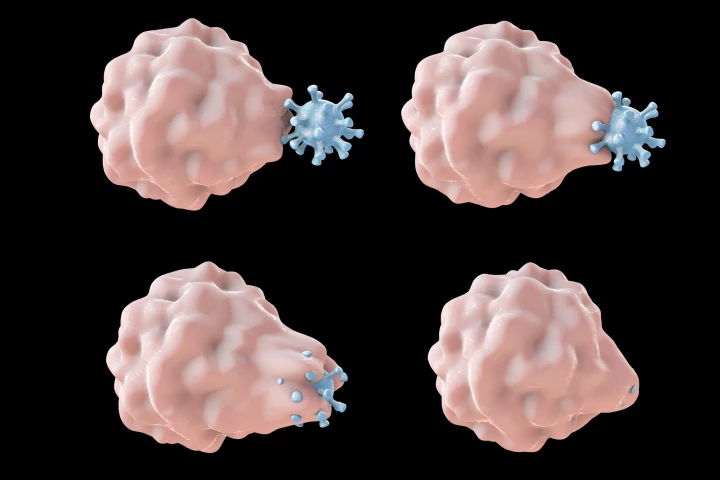 Researchers have found adding a hyperactive form of the protein Rac2 to macrophages, immune cells that eat pathogens, causes them to cannibalize T cells. The novel technique could potentially boost the effectiveness of an emerging cancer treatment.
 -
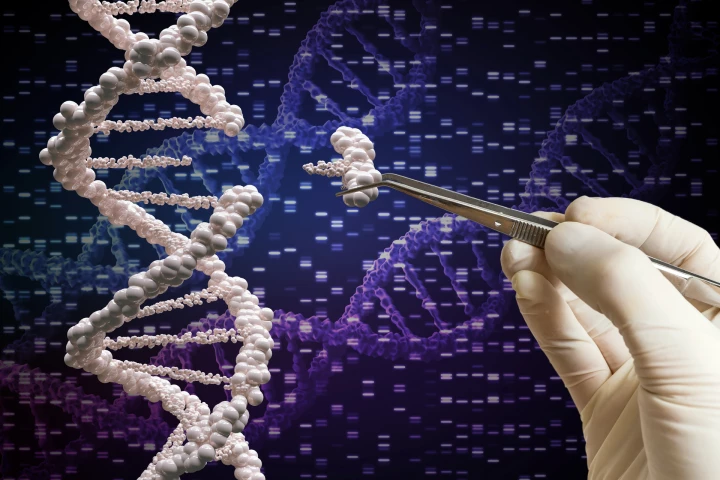 Modified viruses have proven a handy way to get CRISPR/Cas9 gene editing materials into the nucleus of cells – but they're expensive, difficult to scale and potentially toxic. Now, researchers have found a non-viral approach that does the job better.
 -
 US researchers have developed an innovative smartphone-based kit that can test saliva samples for the presence of SARS-CoV-2 and influenza viruses. Early studies have found the cheap system is as accurate as current lab-based testing and much faster.
 -
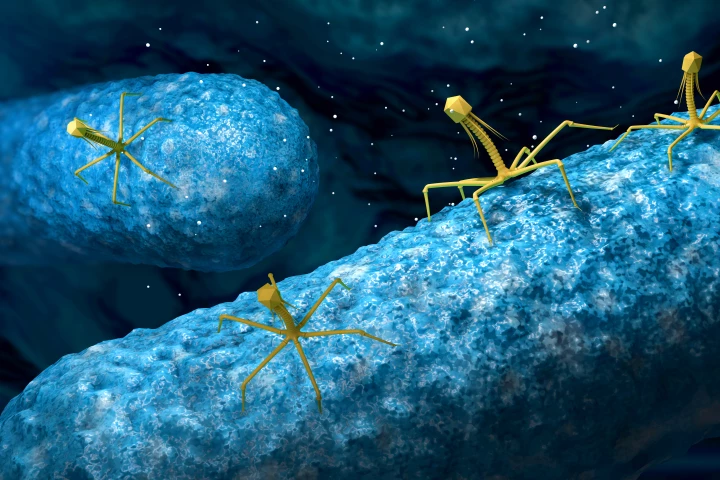 Phages, viruses that thrive by infecting bacteria, have long been mooted as a potential replacement for antibiotics, but they pose risks due to their own rapid evolution. New research suggests it may be possible to mitigate their risks.
 -
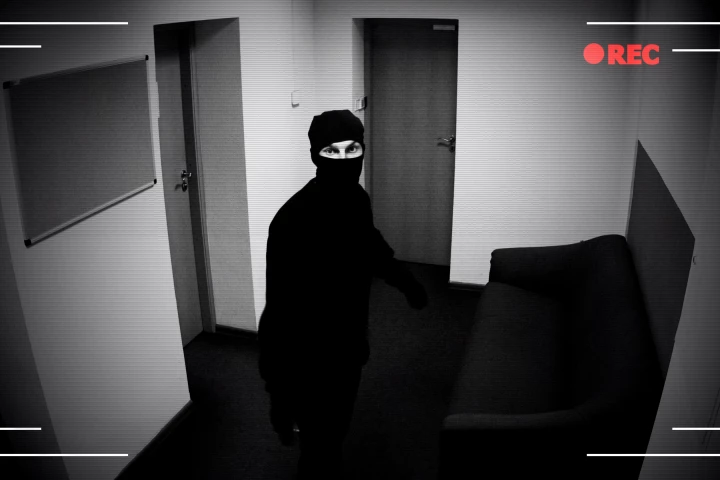 Utilizing a new technique, ordinary wall-penetrating Wi-Fi signals could reportedly now be used to identify a person within a house.
 -
 In what may be seen as a worrying development to those troubled by the growth of the surveillance state, researchers at the University of California have demonstrated that they can count people through walls using only Wi-Fi signals.
 -
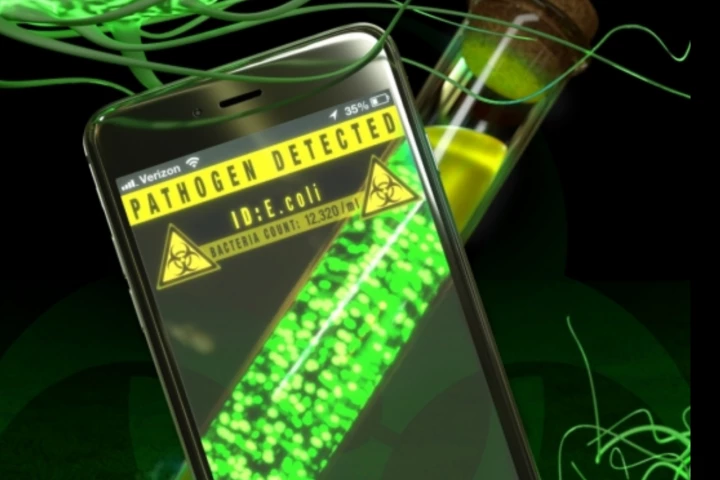 American scientists have developed a smartphone app that can identify types of bacteria in one hour, down from a typical turnaround of 18 to 28 hours. The reduced detection time should mean faster diagnosis, treatment and recovery for patients, as well as reduced costs.