
UC Riverside
-
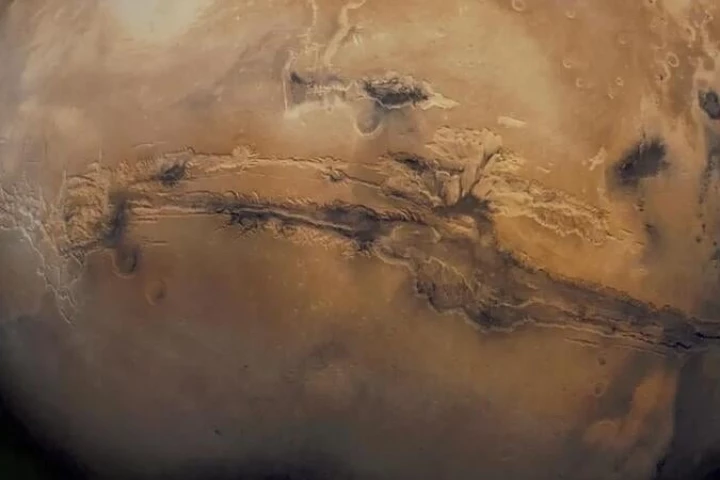 Why did the ice ages occur? If you need a scapegoat, a new study by Stephen Kane of UC Riverside suggests pointing the finger at Mars. According to computer models, the pull of the Red Planet may have altered the Earth's orbit until things got nippy.
 -
 The evolutionary ladder is meant to be climbed one rung at a time with an organism shedding some traits and gaining others on the way up. However, in a very surprising twist, some tomatoes on the Galapagos islands are inching back down the ladder.
 -
 Finding alien life won’t be a flying saucer landing at the White House – NASA scientists will hold a press conference to excitedly show off a chart that’s incomprehensible to most people. Now we’re a step closer to that boring but groundbreaking day.
 -
 A new review has highlighted how skin tone can affect the safety and effectiveness of some medications and why the current way we run clinical drug trials needs to change to include more historically underrepresented populations.
 -
 Thanks to a recent discovery regarding marine algae, scientists have developed crop plants that absorb a fuller spectrum of sunlight, resulting in better growth. The finding could also lead to increased production of biofuels.
 -
 Researchers have developed a peptide that targets a protein implicated in 75% of human cancers and found that it slowed the proliferation of cancer cells in the lab. It’s the first step towards developing an effective treatment for a range of cancers.
 -
 As any car-chase action movie will tell you, the gasoline used in our vehicles is flammable, explosive stuff. Scientists have created a new combustible fuel, however, which stays safely non-flammable for transport and storage.
 -
 While many goods simply have to be kept frozen until use, some – such as certain vaccines – will break down even if they get warmed but remain frozen. An inexpensive new technology could alert people to the fact that this has happened.
 -
 Is the evolution of our nearest planetary neighbor into a nightmarish hellscape typical? If it is, should Earthlings be worried? To find out, astronomers have proposed using the James Webb Space Telescope to look at five exoplanets in the Venus Zone.
 -
 PFAS are insidious pollutants thanks to their ubiquity, long life and a growing list of linked health concerns. But now researchers at UC Riverside have developed a new method to break them down more effectively, using hydrogen and UV light.
 -
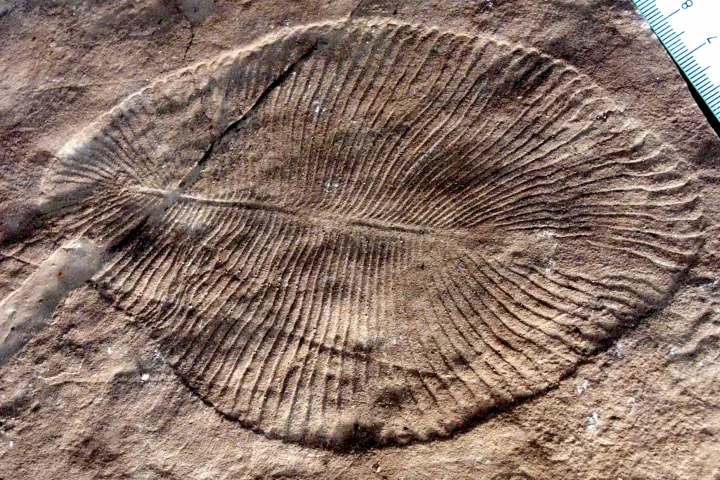 It's thought the Earth is currently entering its sixth major extinction event, but a new study suggests it may actually be the seventh. Scientists have found evidence of a previously unknown mass extinction event that struck half a billion years ago.
 -
 Researchers at UC Riverside have identified a single protein that seems to control when hair follicles die. Armed with this new information, it might eventually be possible to reverse the process and stimulate hair regrowth.
Load More