
Silicon
-
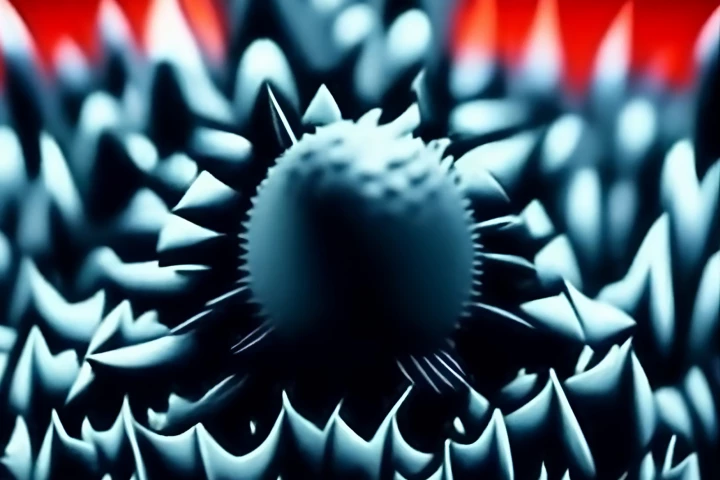 Researchers developed a nanospiked surface that was 96% effective in destroying a common virus responsible for causing respiratory illnesses in children. The technology could safeguard researchers, health workers and patients from viral spread.
 -
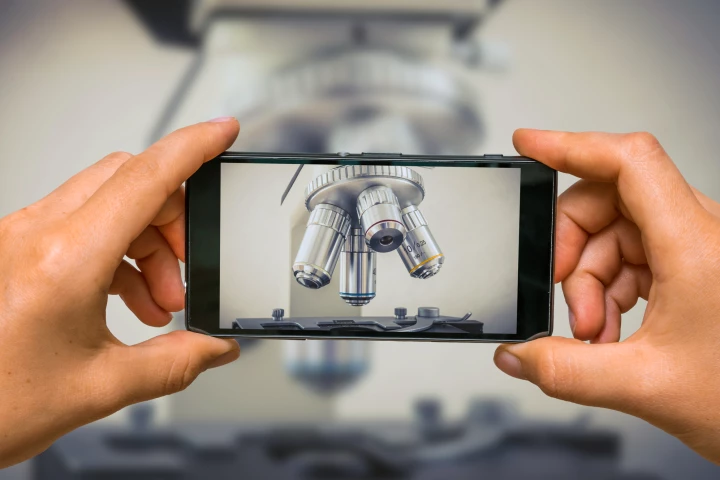 Move over, macro: researchers have created the world’s smallest silicon LED and holographic microscope, and among its uses is a hack that'll let you use your smartphone to view objects as tiny as a single human skin cell in brilliant high resolution.
 -
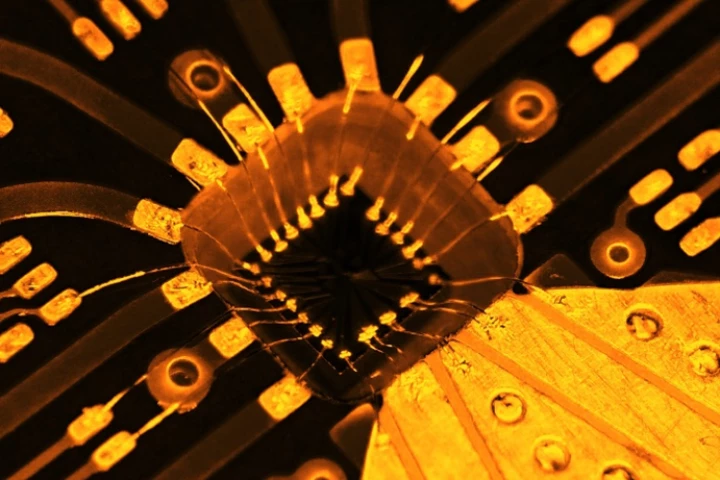 Three teams of scientists have achieved a major milestone in quantum computing. All three groups demonstrated better than 99 percent accuracy in silicon-based quantum devices, paving the way for practical, scalable, error-free quantum computers.
 -
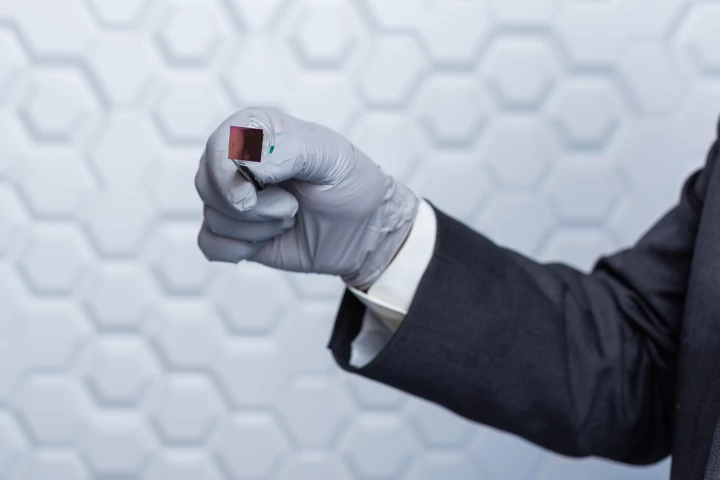 A team of researchershas advanced development of a nanochip device that can reprogram cells in the body to become new blood vessels and nerve cells. It could be used to repair brain damage resulting from a stroke or nerve damage caused by diabetes.
 -
 Quantum computers could one day outperform traditional machines, but hurdles remain. Now physicists have successfully entangled three silicon quantum dots for the first time, in a breakthrough that could help make quantum computers more practical.
 -
 Scientists have discovered a strange new form of crystal that was forged in the first nuclear weapons test. Known as a "quasicrystal," the curious creation is made out of desert sand and copper wiring arranged in an extremely rare atomic structure.
 -
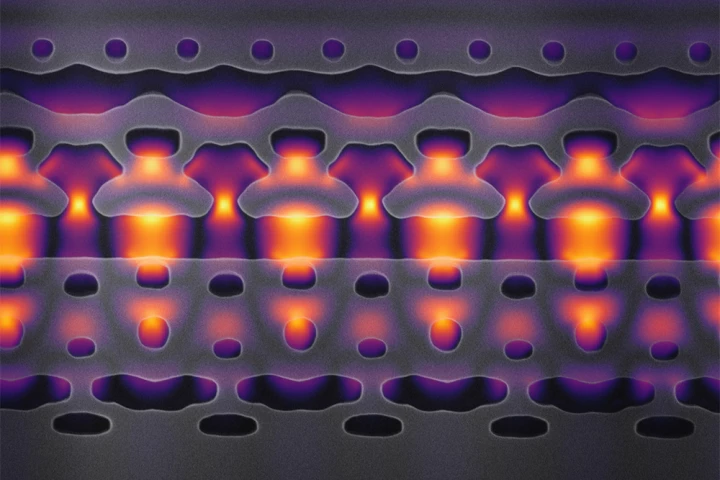 Particle accelerators could be incredibly useful for medicine – if they weren’t so huge. Now, scientists at Stanford have managed to shrink the tech down to fit on a computer chip, which could lead to more precise cancer radiation therapies.
 -
 Ask a smartphone user how to improve them, and it's a safe bet that longer battery life would top the list. Batteries with silicon anodes could help boost that, and now a team has shown that these batteries can be environmentally friendly too, sourced from glass bottles headed for the scrap heap.
 -
 While not quite as significant as the one-time accidental discovery of penicillin, 2016 did have its share of chance findings in the scientific community. Here we take a look at five of them.
 -
 Yale scientists have created a method to significantly increase the power of laser light on a silicon chip by boosting it with sound waves. This new device promises more efficient fiber-optic communications and better data signal processing
 -
 To make solar energy more competitive, researchers from Norway have developed a method to bring down the amount of silicon used in solar cells by as much as 90 percent. The price of silicon is a major driver in the cost of solar panels.
 -
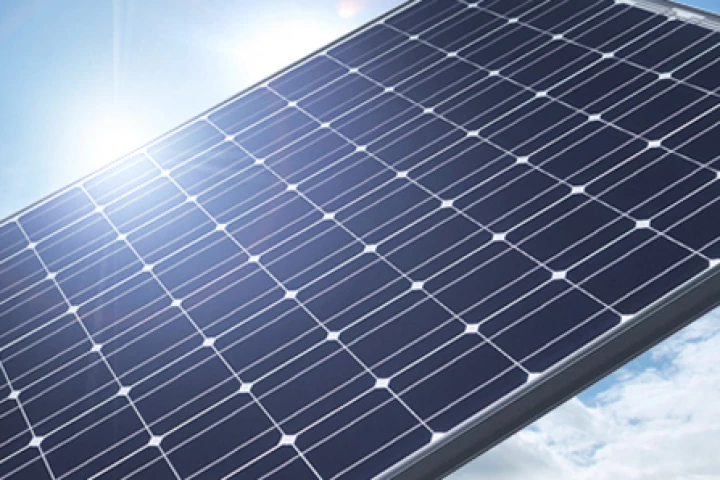 Panasonic is reporting a 25.6 percent conversion efficiency for its HIT (Heterojunction with Intrinsic Thin layer) solar cells, which it claims as a world record for crystalline silicon-based solar cells of a "practical size."
Load More