
Seoul National University
-
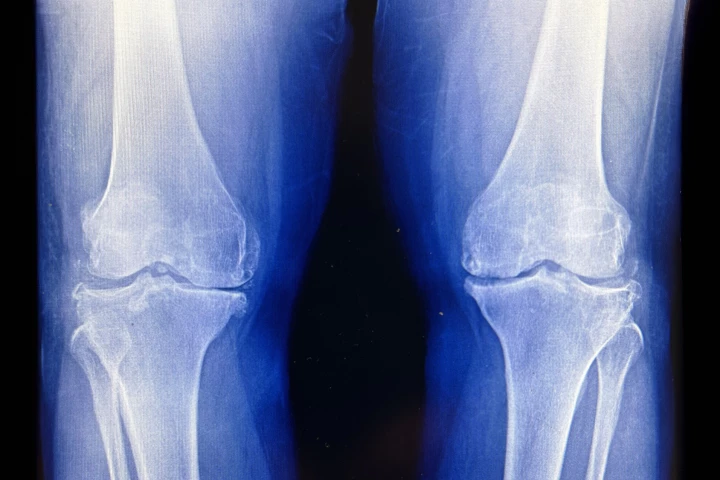 In a clinical trial, six sessions of low-dose radiation significantly eased knee osteoarthritis pain and improved function for months afterwards, hinting at a safe, drug-free alternative for millions living with joint degeneration.
 -
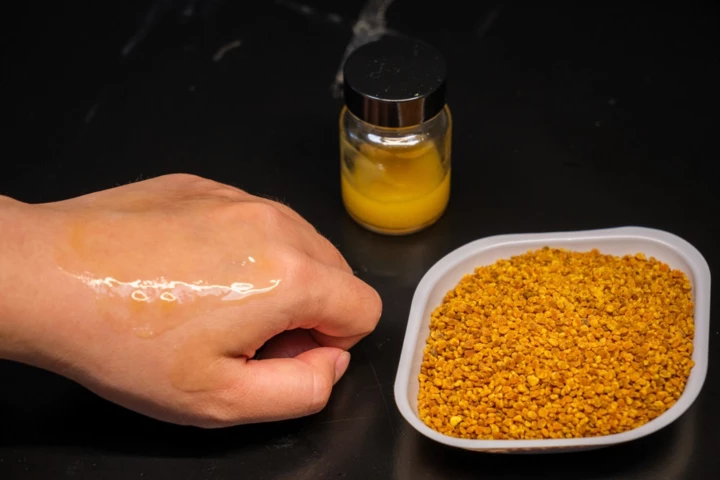 Minerals like titanium dioxide are effective sunscreen ingredients, but they can harm coral reefs if used in their non-nanoparticle form. An experimental new sunscreen forgoes the minerals altogether, replacing them with "just-as-effective" pollen.
 -
 In a world first, scientists have mapped the dog epigenome. It opens the door to a better understanding of how environmental factors influence gene expression and to the development of new disease treatments for both us and our canine best friends.
 -
 A food that's subtly sweet to one person may be very sweet to another, so how can food and beverage companies objectively determine just how sweet something actually is? Well, an experimental new "bioelectronic tongue" may one day do the job.
 -
 As most of us have noticed over the past couple of years, face masks can sometimes be a hassle – necessary though they are. An experimental new mask, though, automatically becomes easier to breathe through when maximum air filtration isn't required.
 -
 A peptide called MOTS-c shows promise in preventing type 1 diabetes, in new tests in human cells in culture and live mice. The peptide regulates the immune system, potentially leading to treatments for type 1 diabetes and other autoimmune diseases.
 -
 Researchers from Seoul National University have developed a "bioelectronic nose" that could be used on location to detect bacteria in water. It is reportedly more sensitive than existing techniques.
 -
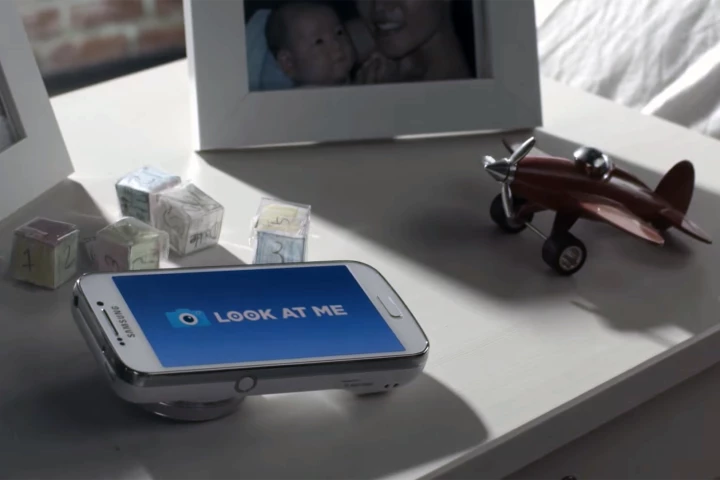 A new app released by Samsung aims to improve the lives of children suffering from autism by presenting a fun, smartphone or tablet-based developmental aide. It's designed to improve the quality of life for those growing up with autism by aiding in the development of basic social skills.
 -
 Billions of cigarette butts are discarded around the world each year, but new research suggests they could be set for a new lease on life with scientists demonstrating that used filters can be transformed into a high-performance supercapacitor component.
 -
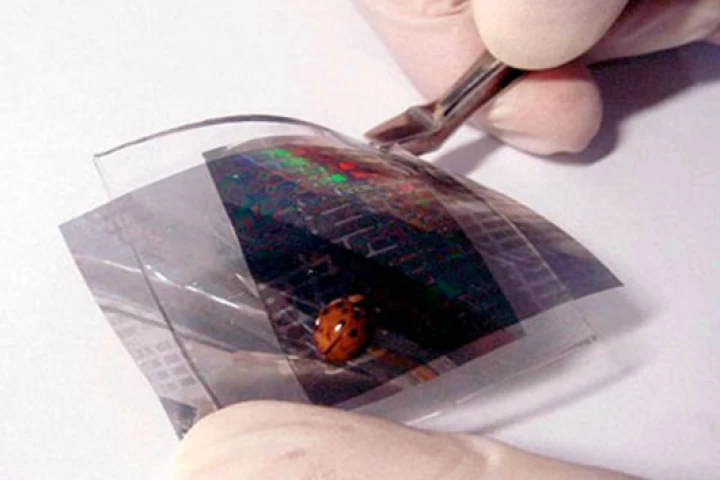 Seoul National University’s Multiscale Biomimetic Systems Laboratory has developed a new biomimetic “electronic skin” that is inexpensive, yet sensitive enough to “feel” a drop of water.