
Pests
-
 For years, we’ve admired plants for their ability to cleanse the air but our green ally might be contributing to air pollution in an unexpected way. While they may be just trying to fend off pests, this mechanism is also harming the environment.
 -
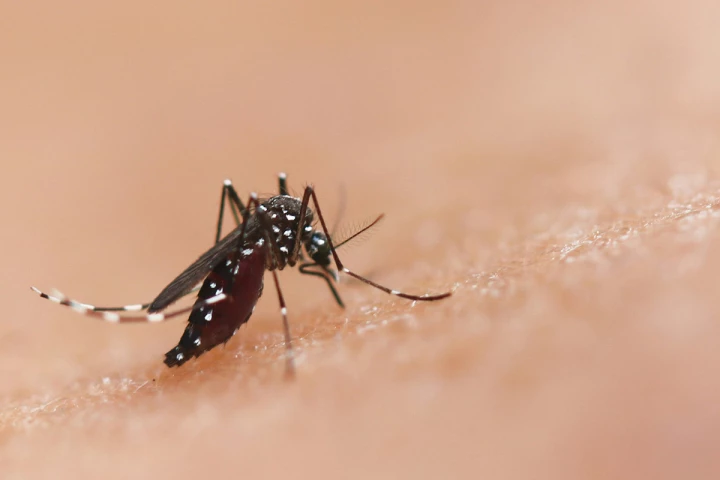 Mosquitoes have long been among humanity’s most formidable adversaries, causing more deaths than any other animal. With traditional control methods facing mounting resistance, researchers are seeking innovative ways to combat mosquito-borne disease.
 -
 From fleas to mosquitoes, there's no shortage of organisms we consider pests. But thanks to new genetic detective work, scientists have named and shamed the resilient, highly adaptive – and frustratingly hard to kill – bug that got to us first.
 -
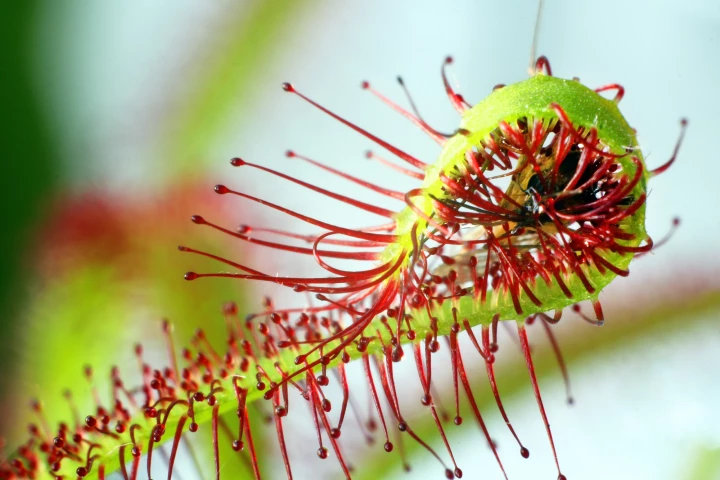 Inspired by a carnivorous plant, scientists have created a sticky spray that could kill pest insects as effectively as traditional toxic pesticides. And what's more, it's derived from plain ol' vegetable oil.
 -
 A worm-filled gel has been shown to protect crops from pests, without the use of environmentally-unfriendly pesticides. Its not-so-secret ingredient is scores of tiny nematodes, which ordinarily can't survive outside of their underground habitat.
 -
 When it comes to protecting crops via insect-blocking netting, you may think that the size of the holes in that netting is the most important factor. According to new research, however, the color of red netting makes an even bigger difference.
 -
 Just like any other organisms, crop-destroying soil microbes die if they get too hot. With that fact in mind, scientists have developed a new system in which soil-heating microwaves are used to kill such pests. It could one day replace pesticides.
 -
 The spotted-wing drosophila is a type of fruit fly that can destroy berry crops if not killed by insecticides. According to a new study, the smell of a crop-damaging fungus could provide an eco-friendly alternative to such toxic chemicals.
 -
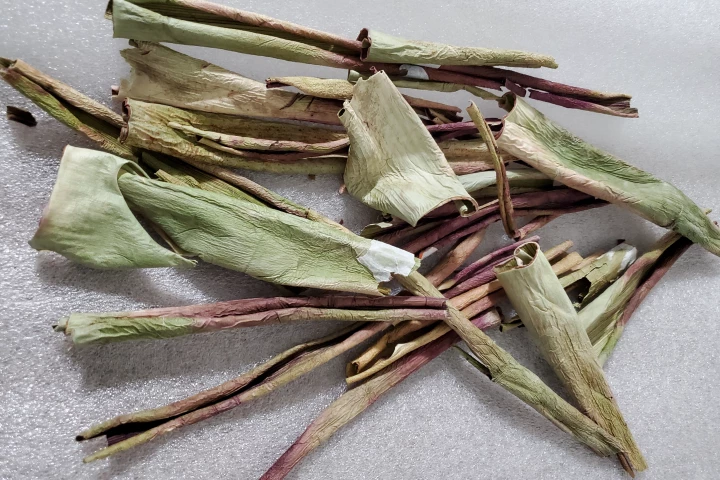 Although the gel of the aloe vera plant is used to treat sunburn, moisturize skin and boost gut health, its peels are usually discarded. New research now suggests that those peels could also be used, to make non-toxic insecticide for use by farmers.
 -
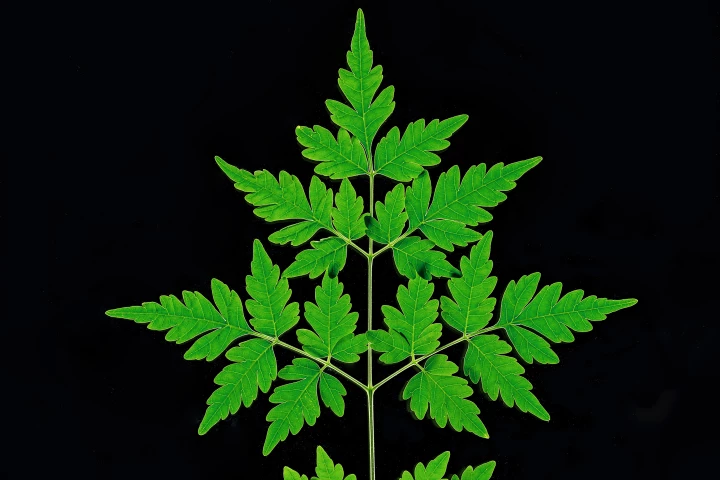 It's a sad fact that even though bees are essential to pollinating crops, they're also harmed by the pesticides used on those very same plants. Thanks to a new discovery, however, a bee-friendly pesticide could soon be cheaper and easier to produce.
 -
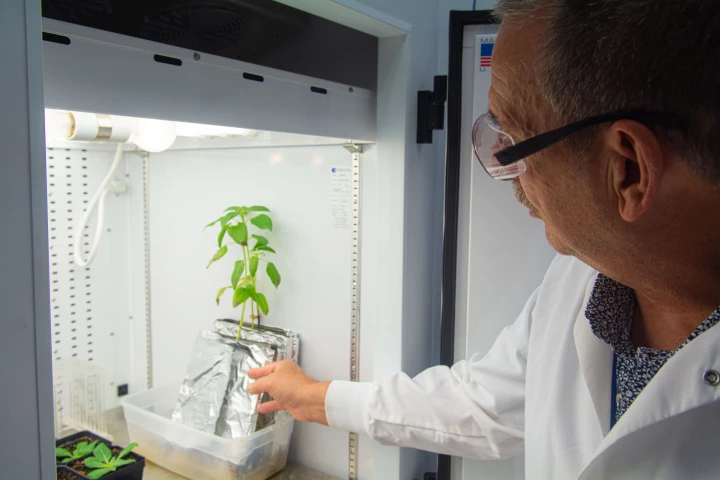 It would certainly be logical to think that plants don't do well when exposed to forest fire smoke. New research, however, suggests that certain crops get hardier and more disease-resistant when liquid smoke is added to the soil.
 -
 It is believed that parasitic varroa mites may be one of the main causes of colony collapse disorder, which is decimating honeybee colonies. There may be hope, however, as a new chemical has been found to eradicate the mites without harming the bees.
Load More