
Osaka University
-
 A surprising finding from researchers in Japan has shown how an environmental factor can influence the development of sex organs in unborn mice. The discovery challenges the longstanding belief that sex is determined purely by genetic factors.
 -
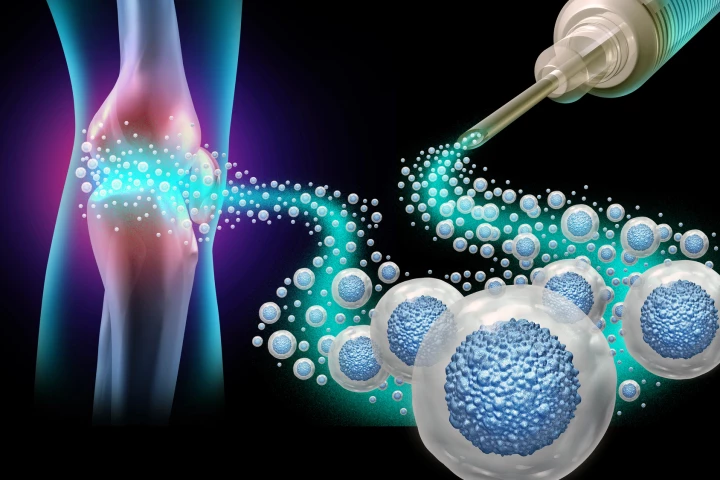 Injecting immune cells directly into damaged bone, muscle and skin significantly boosts healing, according to new research. The door is now open to developing a universal cell-based method of enhancing healing after an injury.
 -
 A change in shape to a particular structure of neurons was found to have a significant impact on obesity in rats. Researchers believe the finding will translate to humans and could help us fight our own middle-aged bulges one day.
 -
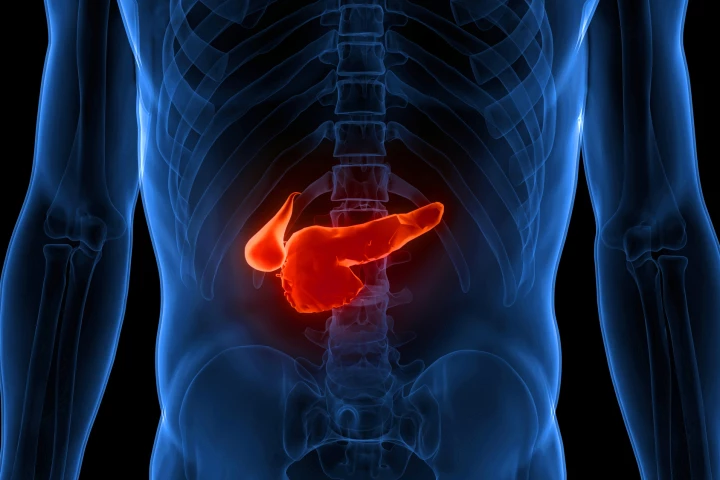 Researchers have used radioactive monoclonal antibodies to find and destroy a particularly lethal form of pancreatic cancer. The combination of diagnostics and therapeutics could lead to earlier detection and more effective treatment of the disease.
 -
 Researchers have discovered the fat-busting properties of a plant native to Hainan Island in China during studies with mice. The findings might shine light on a path to combating obesity and fatty liver disease in humans.
 -
 Swimmers who wore Speedo’s controversial LZR Racer suit at the 2008 Beijing Olympics broke 23 world records, proving that being more streamlined has advantages. A new study out of Japan has shown that the same theory applies to sperm.
 -
 Scientists are reporting successful preclinical tests of a nasal spray designed to prevent the neurodegeneration associated with dementia. The spray combines two cheap drugs and was found to improve cognitive function in several mouse models of dementia.
 -
 The world of lab-grown meats is fast filling with all kinds of tasty bites, from burgers, to chicken breasts, to a series of increasingly complex cuts of steak. Now, Japan's famous Wagyu beef joins the list.
 -
 Metolazone, an anti-hypertension drug, has been found to kickstart a lifespan-extending cellular repair process in roundworms. The mechanism may be translatable to humans, offering new research pathways in the search for an anti-aging drug.
 -
 In order to observe specific behaviors, scientists will often rig wild animals up with tiny cameras or other "bio-logging" devices. A new technology could help these tools gather more data, by only fully powering up when needed.
 -
 Whether it's entangling marine animals or forming giant floating "garbage patches," oceanic plastic waste is a huge problem. There may be new hope however, in the form of what is claimed to be a better type of marine-biodegradable plastic.
 -
 In what is a world-first and potentially the dawn of a new medical technology to treat damaged hearts, scientists in Japan have succeeded in transplanting lab-grown heart cells into human patients for the first time ever.
Load More