
Fire
-
 Once thought an exclusive human skill, the ability to make fire on demand has long been seen as a turning point in our evolutionary story. But new research suggests Neanderthals also mastered fire-making hundreds of thousands of years before Homo sapiens.
 -
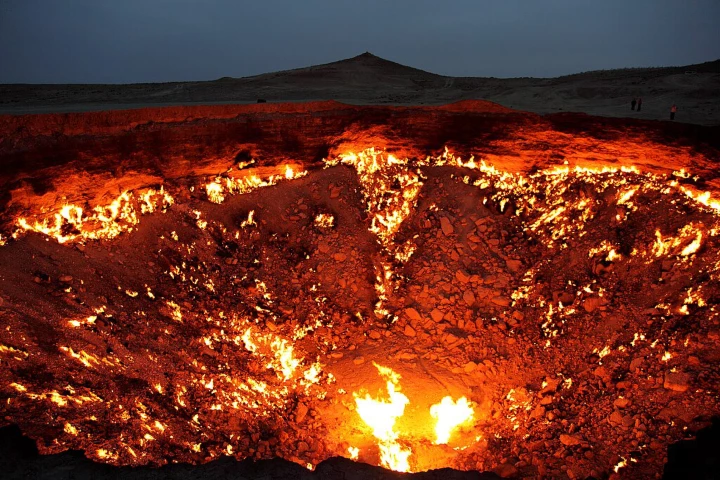 No Soviet records, no logs or official drilling reports – just a 100-foot (30-m) deep, 226-foot (69-m) wide pit of relentless fire that’s burned for 50-plus years in Turkmenistan’s Karakum Desert called the Door to Hell.
 -
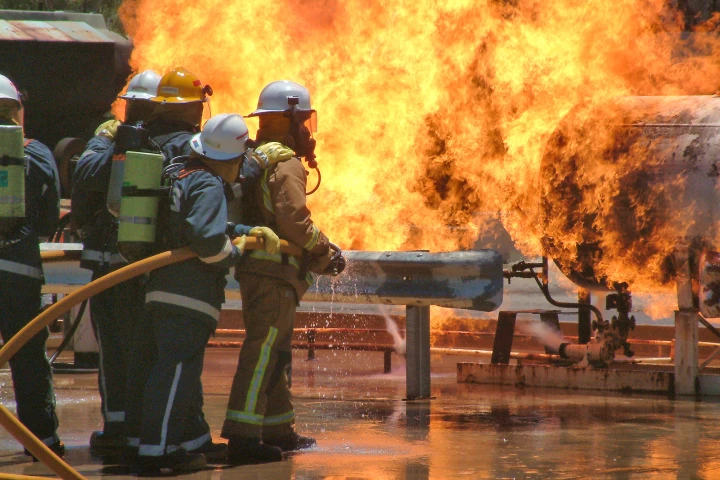 As any car-chase action movie will tell you, the gasoline used in our vehicles is flammable, explosive stuff. Scientists have created a new combustible fuel, however, which stays safely non-flammable for transport and storage.
 -
 Scientists have discovered the earliest evidence of cooking food through controlled use of fire, dating back 780,000 years. An archeological site in Israel contains fish remains that, on closer examination, show clear signs of having been cooked.
 -
 A first-of-its-kind study has investigated the link between certain cancers and people living in close proximity to wildfires. The findings revealed higher rates of brain tumors and lung cancer in populations living within 50 km (31 miles) of a wildfire.
 -
 A wood fire is a cosy way to warm up, but sadly they have adverse effects on human health and the environment. But a new soot collector device could help reduce particulate emissions by attracting particles with an electric field.
 -
 Researchers in the UK have come up with a new formula for tackling smoldering "zombie fires", which can burn through carbon-rich organic matter underground and trigger flaming wildfires again once the danger appears to have passed.
 -
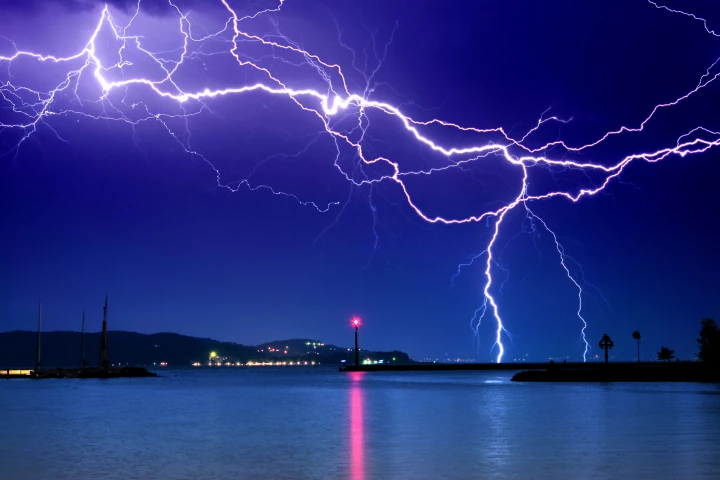 Lightning is a major trigger for wildfires, like the record-breaking blazes that devastated Australia and California this year. But what if we could redirect lightning to strike safely? Graphene particles trapped in a tractor beam could do just that.
 -
 Australia is currently in one of the worst bushfires on record, and it’s not hard to see why. The Bureau of Meteorology (BOM) has released a climate statement for 2019, and found that last year was the hottest and driest on record for the continent.
 -
 A newly-developed gel could allow forestry workers to keep forest fires from occurring.
 -
 Toyohashi University of Technology has developed an inside-out fire extinguisher for use inside spacecraft. Instead of spraying out extinguishing agents at a fire, the Vacuum Extinguish Method sucks the flames into a vacuum chamber, where they can be safely suffocated or extinguished.
 -
 Although concrete doesn't burn, it can "spall" when subjected to extreme heat – this means that surface layers of the material break off, potentially causing structures made of it to collapse. According to a new study, however, fibers obtained from discarded tires can help keep that from happening.
Load More