
Epidemiology
-
 Researchers suggest the 1918 influenza pandemic caused a wave of heart disease in the 20th century. With new evidence showing the impact of COVID on our hearts, could this recent pandemic be setting us up for another century of cardiac problems?
 -
 It was only a matter of time, but highly pathogenic avian influence (HPAI) has officially found its way to Antarctica, after dead migratory brown skuas on Bird Island returned positive test results. This leaves just Oceania free of the deadly virus.
 -
 A new study reported the novel coronavirus can survive on some surfaces for days, and is even detectable in aerosols for several hours, but what does this research mean for everyday people trying to understand how infectious the new virus is?
 -
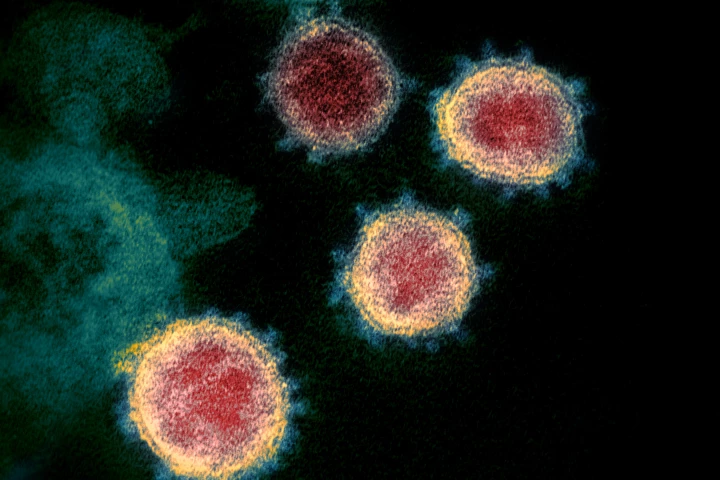 A study published in the journal Science has tracked the spread of the novel coronavirus across China in January, finding 86 percent of early infections were undocumented. The study says a “radical increase” in testing is vital to slow the spread.
 -
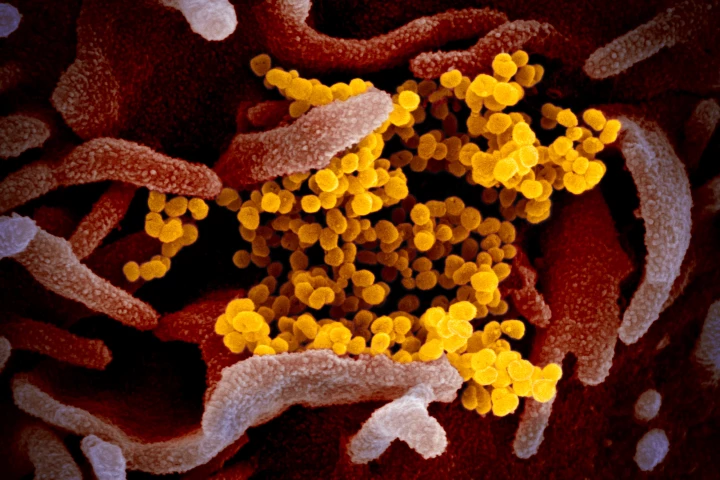 A new study from Johns Hopkins Bloomberg School of Public Health is affirming early estimates suggesting 5.1 days is the average incubation period for COVID-19, the disease caused by the novel coronavirus.
 -
 A newly published study from the Chinese CDC is offering a massive epidemiological insight into the ongoing novel coronavirus outbreak. The paper examines more than 44,000 confirmed patients finding over 80 percent of cases are only mild in severity.
 -
 The novel coronavirus spreading across the globe now has an official name. The World Health Organization revealed it has labelled the virus Covid-19 as the situation continues to spread, with over 43,000 cases currently confirmed and over 1000 deaths.
 -
 Following more than a week of meetings the World Health Organization's Director General, upon advice from its Emergency Committee, has declared the ongoing coronavirus outbreak a Public Health Emergency of International Concern (PHEIC).
 -
 A journal article is offering the most thorough insights to date into the clinical characteristics of the rapidly spreading novel coronavirus. The study examined 99 cases, describing common symptoms and types of patients likely to contract the virus.
 -
 Adding fuel to the endless coffee debates comes the latest large study. This time, researchers looked at data from over 300,000 people for possible links between coffee and cancer, and found it neither gave, nor prevented us from getting cancers. It's just a tasty beverage after all then.
 -
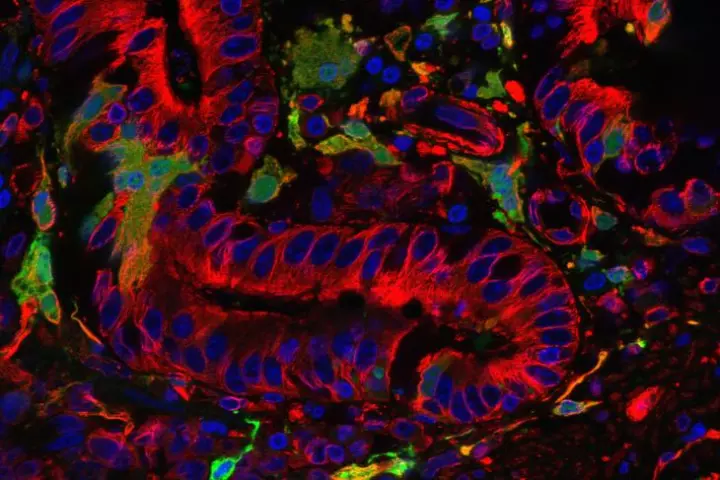 The Pirbright Institute has revealed it destroyed the largest remaining stock of rinderpest virus. The destruction of one of a handful of laboratory samples of the deadly cattle virus was carried out under a program to prevent any future outbreaks of the disease by eliminating it entirely.
 -
 Researchers in Norway have combined the location services on smartphones with data from wastewater analysis to reveal a more accurate picture of the illicit drugs and pharmaceuticals taken in a community, even while traveling or commuting.
Load More