
Environmentally-friendly
-
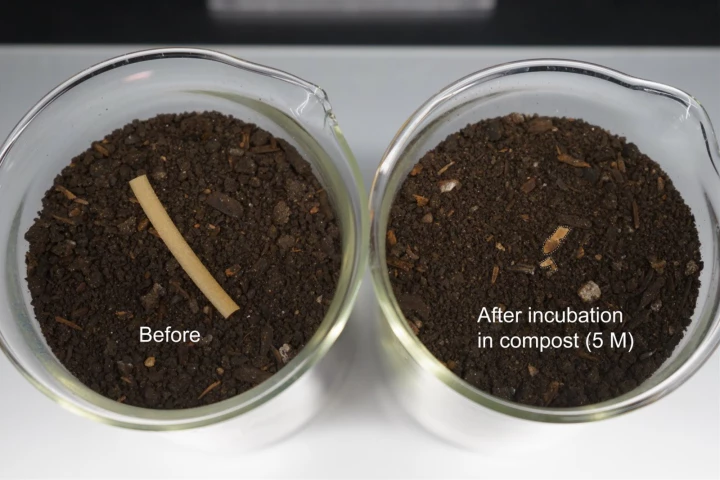 A new biodegradable plastic embedded with spores of plastic-eating bacteria manages to break down 90% of the material after five months in landfill. Weirdly, this actually made the plastic tougher and stronger during use.
 -
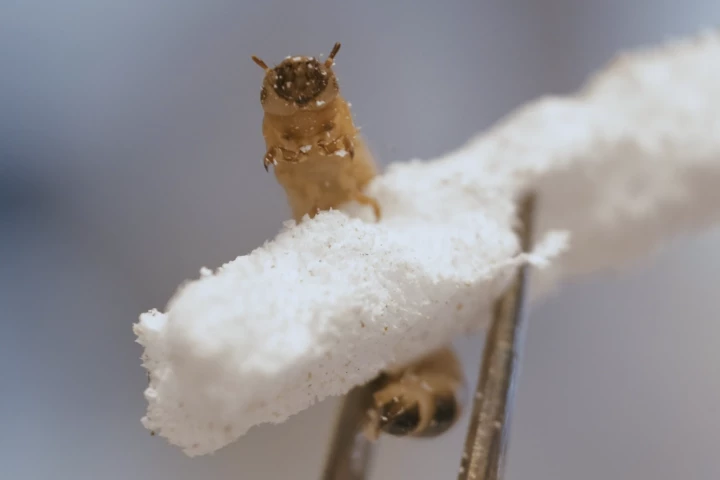 Scientists have created a lab-grown microbiome like the one found in a tiny plastics-munching worm, and it has the potential to efficiently and sustainably biodegrade the world's most common and troublesome plastics – all without the need for the worms.
 -
 Conventional breeding of trees takes time, but CRISPR gene editing should help speed things up. Now, scientists at North Carolina State University have used CRISPR to adjust the genomes of poplar trees to make them easier to turn into paper products.
 -
 Engineers at UIC have developed a device that can efficiently convert captured carbon dioxide into ethylene, a plastic precursor material. When run using renewable energy, the technique could make for net negative emissions in plastic production.
 -
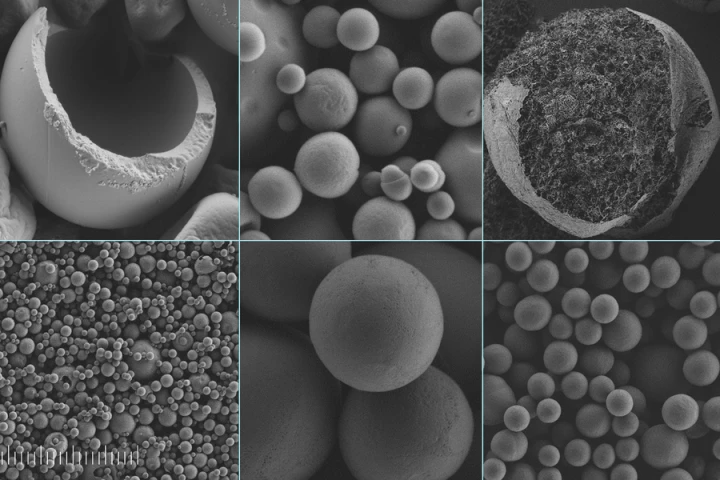 Microplastics are a major environmental problem, but a new study could help cut out a decent chunk of them. Silk could be a biodegradable replacement for microbeads and particles that are often added to cosmetics, paints and other products.
 -
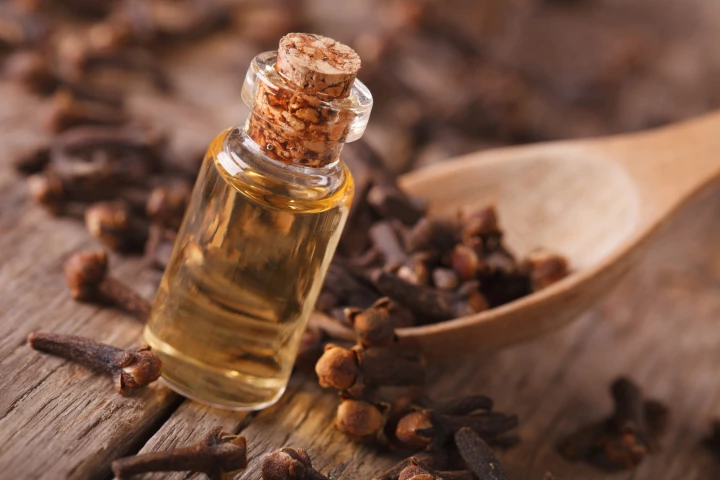 The best method of limiting mosquito-borne diseases is to kill the larvae, but doing so often involves synthetic insecticides. A new study suggests a method of improving the effectiveness of a cheaper, longer-lasting alternative – clove oil.
 -
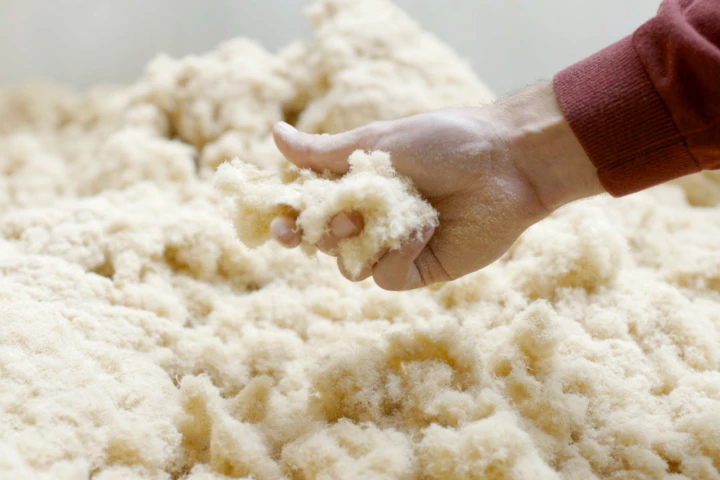 Although stand-up paddleboards are eco-friendly to use, they're typically made of not-so-green substances. German scientists are trying to change that, with a board made of sustainable materials – obtained partially from old wind turbine blades.
 -
 Nuclear and fossil fuel power plants consume huge amounts of water for cooling, which then goes to waste as water vapor. MIT engineers have now developed a system that can capture and recycle that lost water.
 -
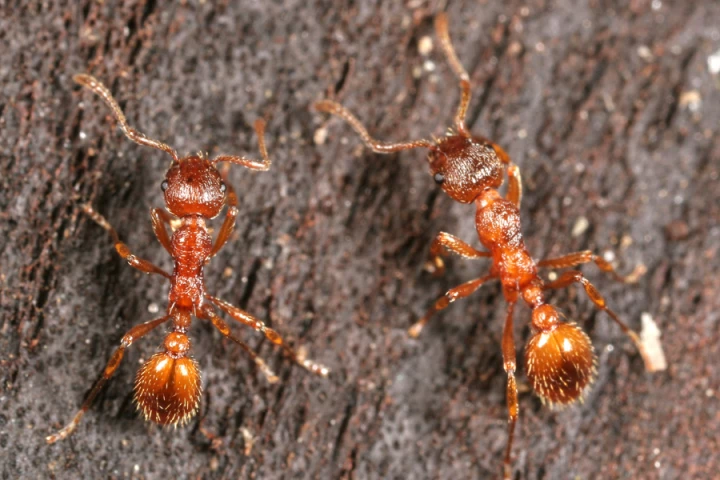 Although spiders do help us by eating pests such as mosquitos, many people still aren't wild about having the things in their homes. Such folks may be interested in new research which suggests that ant chemicals could be used to harmlessly keep spiders away.
 -
 While pest insects can have a devastating effect on crops, pesticides can likewise cause a great deal of damage to the environment. That's where CropCoat comes in, as it's designed not to kill harmful insects, but to "hide" plants from them instead.
 -
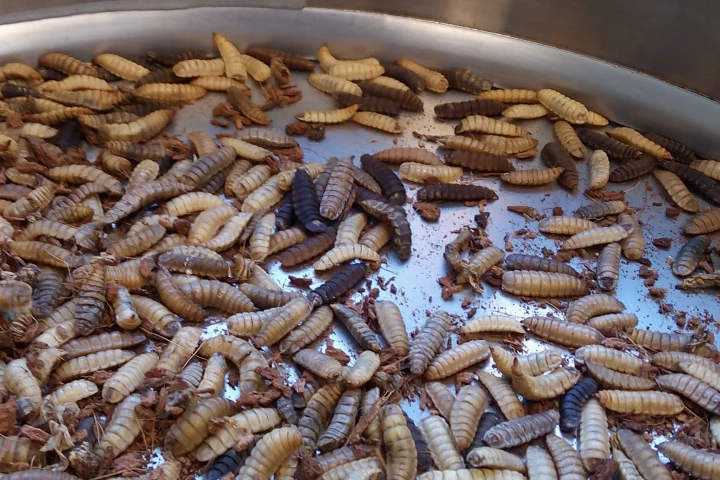 Just like us, crop plants are subject to bacterial infections. And while antibiotics are often used to kill those microbes, compounds extracted from fly larva fat may prove to be a more eco-friendly alternative.
 -
 Not only are diamondback moths quite harmful to brassica-genus crops such as cabbage, broccoli and canola, but they're also very resistant to insecticides. Help may be on the way, though, in the form of a genetically-engineered version of the moth.
Load More