
Blood
-
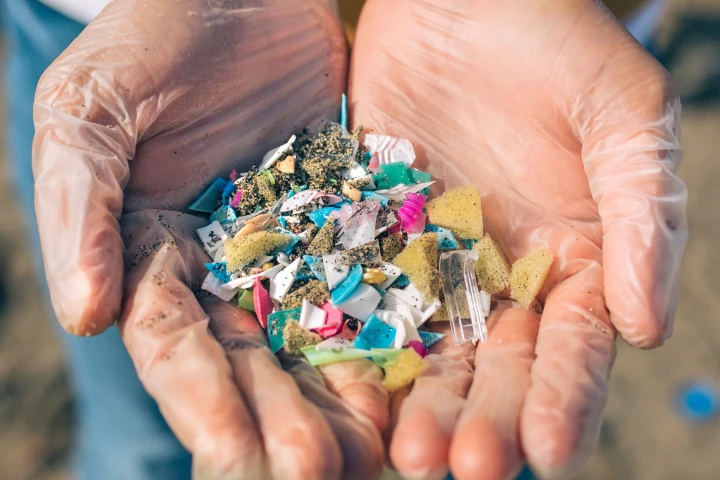 A recent study builds on previous findings, discovering that people who had experienced a serious heart attack also had higher levels of MNPs than healthy volunteers and patients with chronic ischemic heart disease.
 -
 A team of researchers in China has sifted through the noise in what amounts to the most comprehensive review yet, and the results are both sobering and intriguing.
 -
 Elevated levels of GDF15 in the peripheral blood were associated with dementia risk in a recent study, with researchers arguing the chemical could serve as a handy biomarker for future cognitive decline.
 -
 By following the journey of how PFAS move into the bodies of living things – including people – scientists like me are working to improve safety recommendations and usage guidelines for these chemicals.
 -
 New research suggests that blood biomarkers in combination with self-reported memory concerns could offer an early clue to how Alzheimer’s disease develops across the life course, meaning midlife could be a critical window for promoting brain health.
 -
 Researchers have developed a spray-on powder that turns into a wound-conforming gel when it comes in contact with blood. The breakthrough has the possibility of dramatically improving wound care in combat and other life-threatening situations.
 -
 Researchers believe they have developed the first blood test to diagnose chronic fatigue syndrome, or myalgic encephalomyelitis, and it has the potential to be a game-changer for millions around the globe suffering with the debilitation condition.
 -
 Your morning coffee might do more than wake you up – it could weaken donated blood. A large new study shows caffeine lowers red blood cell quality, making transfusions less effective, especially in patients who need them most.
 -
 Scientists have implicated a gut byproduct from meat and other animal foods in the growth of deadly abdominal aortic aneurysms. Often symptomless, as it develops, a ruptured aneurysm has a mortality rate above 80%. And currently, treatment is limited.
 -
 From vampire legends to lab-grown tissue, the idea that young blood can reverse aging is no longer pure myth. A new study shows that proteins secreted by bone marrow cells, triggered by young blood, can rejuvenate aging skin in the lab.
 -
 In a groundbreaking development, French scientists have identified the world’s rarest blood group, known as Gwada-negative. It's a blood group so rare that only one woman in the world is known to have it.
 -
 Diagnosing celiac disease often means exposure to the thing that makes you sick, which can be debilitating. It may soon be simpler and pain-free, with a first-of-a-kind test that can detect and gauge the severity of the disease in a test tube instead.
Load More