
Aircraft
-
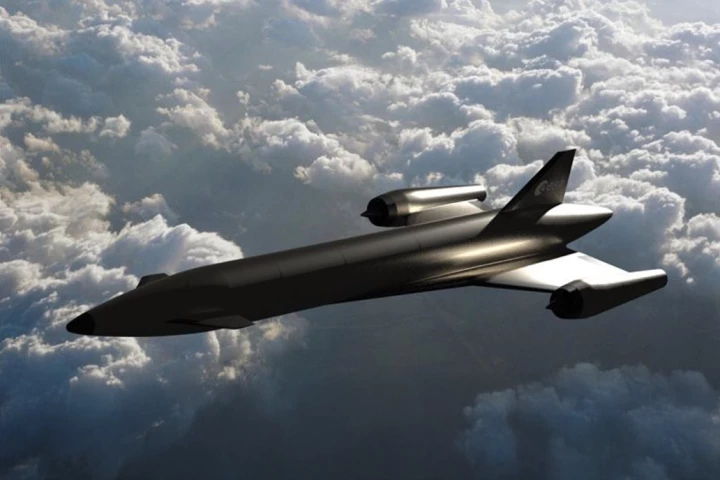 Proving that you can't keep a good technology down, Reaction Engines' Synergetic Air-Breathing Rocket Engine (SABRE) has a new lease on life after a British-led consortium announced Invictus, a new program to build a Mach 5+ spaceplane.
 -
 You may think that if a species died out millions of years ago, its design would be too old to have any applications in our technology. A new analysis of pterosaur bones, however, suggests that they could inspire lighter, stronger aircraft materials.
 -
 It’s not just the Mulders of the world watching the skies anymore – the Scullys are getting involved. The US Department of Defense (DoD) has released its latest report on UFOs, with some intriguing stats and stories.
 -
 UFOs are having a renaissance lately, moving beyond the tinfoil-hatted crowd and into the realm of serious government investigation. Now a study has analyzed the geography of almost 100,000 sightings and found a few clues about how they cluster.
 -
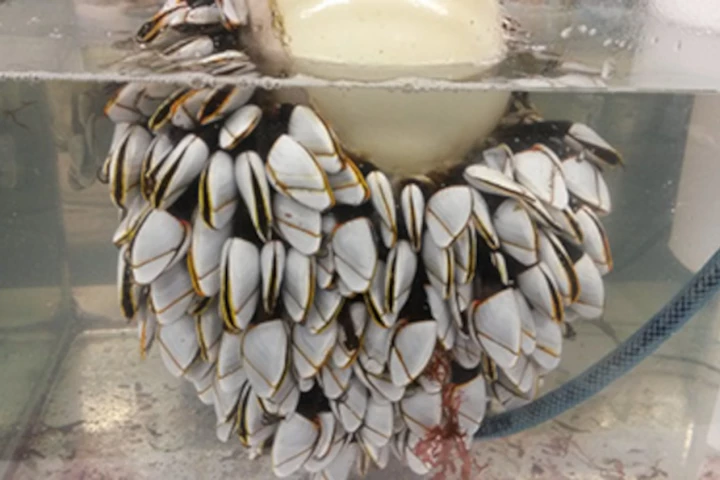 The mystery of flight MAF370, which vanished over the Indian Ocean with all hands, has baffled the world for nine years, but now a geoscientist at the University of South Florida may have found a surprising way to locate the wreck using barnacles.
 -
 Heart failure caused by a heart attack is a leading cause of death worldwide and the risk factors associated with this cardiovascular disease are well known. Now, new research indicates aircraft noise should be added to that list.
 -
 It appears Virgin Galactic is looking to ramp up its commercial space services, placing orders for two more WhiteKnightTwo motherships from Boeing subsidiary Aurora Flight Services to support the air launch of Virgin's SpaceShipTwo spaceplane.
 -
 Although they're really just ice crystals, the contrails left by airliners aren't entirely innocuous. According to a new study, however, changing the altitude of flights by just 2,000 feet could greatly reduce their effect on the environment.
 -
 Aircraft have been known to mess with the clouds as they pass through or over them. A new study has found that planes could be boosting rainfall and snowfall by up to 10 times, and examined the microphysics behind it.
 -
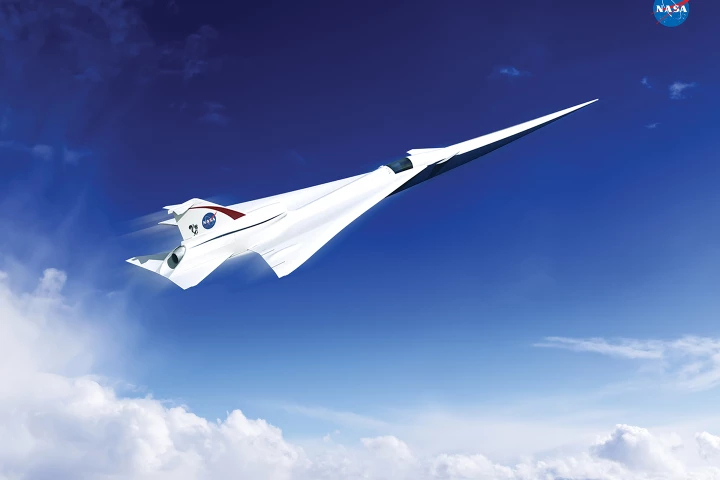 NASA is moving ahead with its new X-planes program by awarding its first contract to design a prototype "low-boom" supersonic passenger jet to a team led by Lockheed Martin.
 -
 A 17-year-old Canadian has earned first place for engineering a system that improves air quality in airplane cabins at Intel's 2015 International Science and Engineering Fair, which the company claims is the biggest high school science competition in the world.
 -
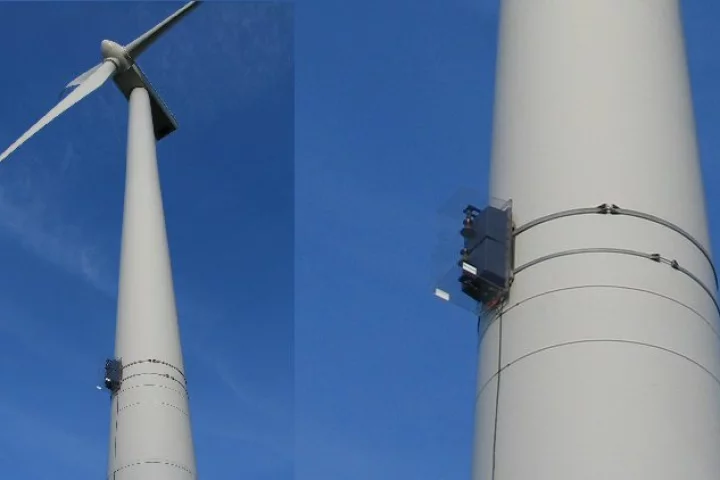 Researchers have developed a sensor system for wind turbines which detects nearby aircraft, switching on a beacon warning system only as they approach.
Load More