
2025 Updates
Every so often we revisit an older story and ask - what happened to this innovation? The stories here have been revised and re-edited as of 2025. The information is current and each article has been fact-checked for accuracy. These are our favorite older stories, updated for current readers.
-
 Why do elephants, one of the biggest animals on the planet, paradoxically experience unusually low rates of cancer? The question has led scientists to discover these remarkable mammals carry unique genetic variants that reduce their risk of tumors.
 -
 Back in 2014, we heard about a so-called "salmon cannon" that safely shot spawning fish up over river-blocking obstacles such as dams. Its successor has since entered use, recently allowing herring to bypass a spillway for the first time in 80 years.
 -
 During the pandemic, most of us got used to medical consultations being performed via the phone or Zoom. That said, there are still times when diagnostic devices need to be used … which is where the H3 Health Cube is designed to come in.
 -
 A large-scale human clinical trials is currently underway testing a wild idea. Can fecal transplants reduce a person's cravings for alcohol by altering their microbiome? Early studies are indicating this could be possible.
 -
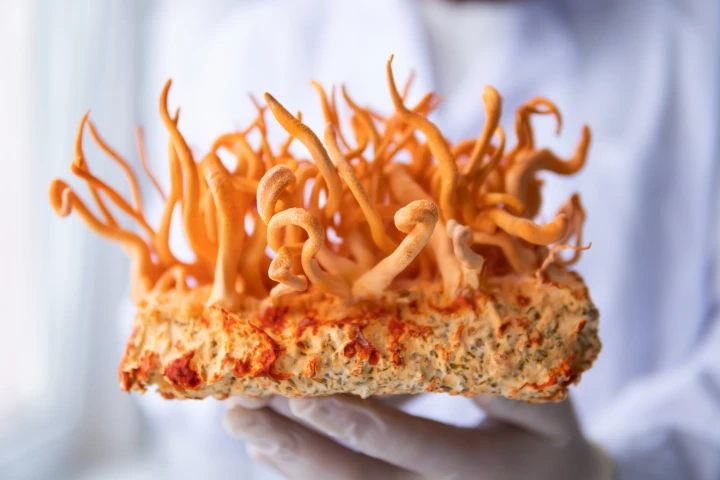 A compound derived from a Himalayan fungus has been refined by scientists for a chemotherapy drug with powerful anti-cancer effects. NUC-7738 is yielding encouraging results in ongoing Phase 2 clinical trials, and is advancing towards approval.
 -
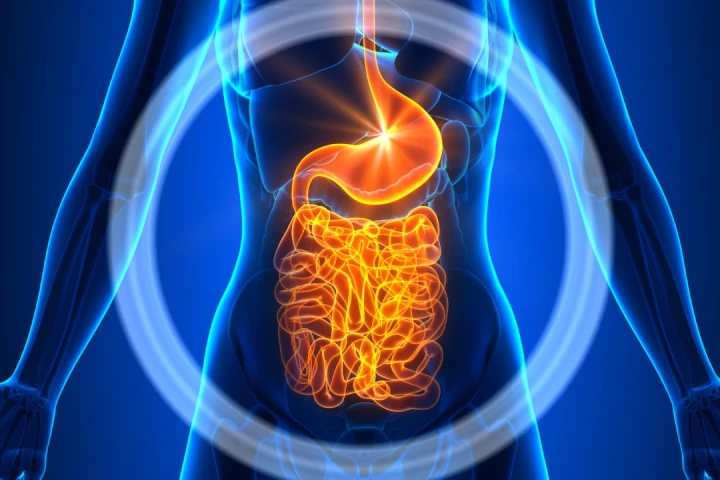 An example of the emerging science linking between gut health and autism, exciting new research moving into Phase 3 human trials has found fecal transplants can dramatically reduce its symptoms in the long term.
 -
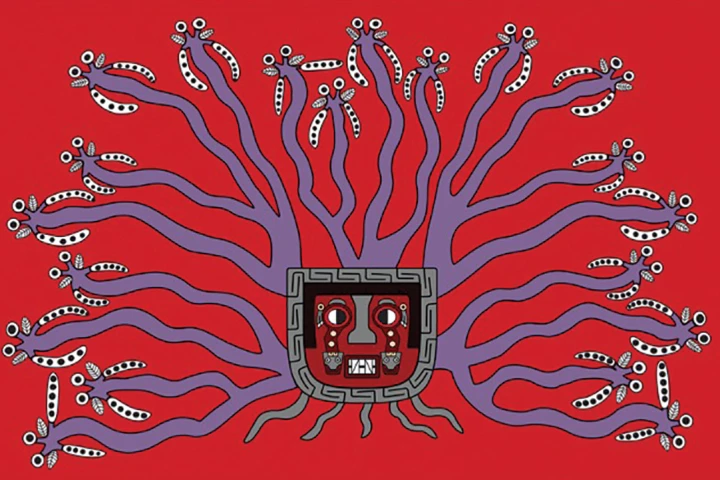 A study published in the journal Antiquity suggested an ancient South American civilization spiked a beer-like drink with psychoactive drugs as a way of maintaining social cohesion and forging new bonds with surrounding communities.
 -
 A 2022 study found drinking four units of alcohol a day – two beers – can cause structural damage and brain volume loss equivalent to 10 years of aging. The findings proved to be the tip of the iceberg for researchers looking at how alcohol affects our brain.
 -
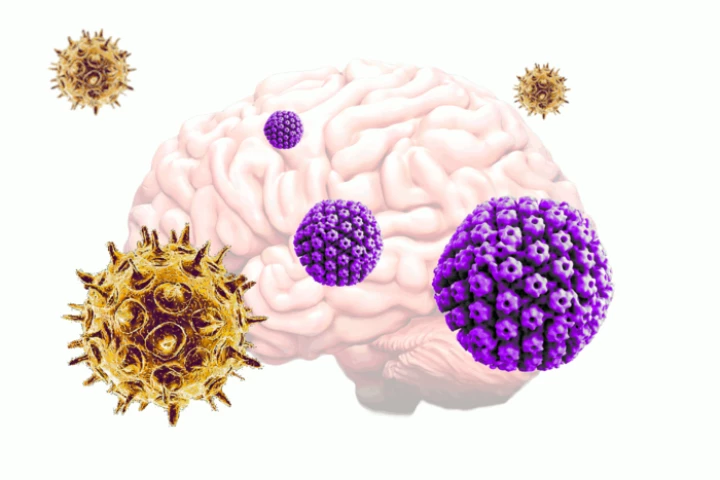 A fascinating 2022 study found two common viruses may be working in tandem to trigger the earliest stages of Alzheimer’s disease. The findings were just the beginning of an ever-growing body of evidence implicating viral infections in dementia.
 -
 A 2018 study found patients suffering from cancer-related fatigue got improvements in their symptoms after knowingly being given a placebo. The research is part of a body of work suggesting "honest" placebos could play a role in clinical treatments.
 -
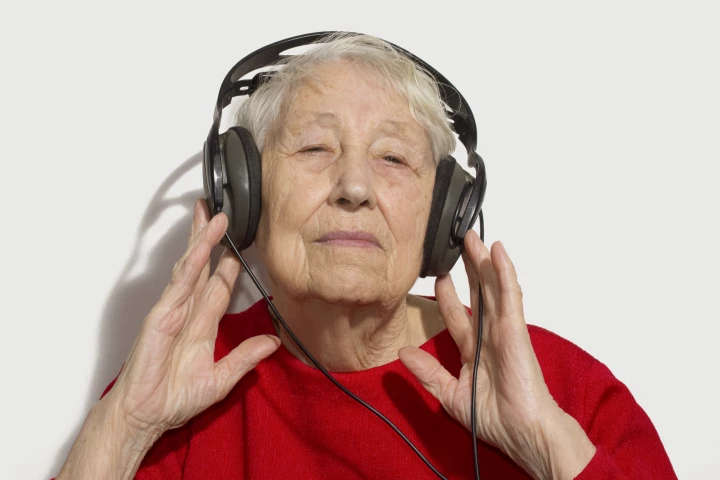 What happens in your brain when you listen to your favorite music? Can hearing a nostalgic song from your youth actually improve your cognitive health and help fight off conditions like Alzheimer's? Several neuroscientists are trying to find out.
 -
 A preserved tree fossil gives an unprecedented view into a moment 42,000 years ago when the Earth’s magnetic field went haywire, triggering environmental chaos, influencing everything from an increase in cave paintings to the Neanderthal extinction.
Load More