
World Health Organization
-
 The World Health Organization has finally made its recommendations on using GLP-1 therapeutics for weight loss, though it remains to be seen whether it changes their status for prescribing or price. And scientists still have some concerns.
 -
 The US has recorded its first death due to avian influenza. The man had been infected by a H5N1 variant with a genetic mutation, helping it target upper respiratory tract receptors – one also seen in the Canadian teen who fell critically ill last year.
 -
 A study estimating the number of under-50s worldwide who are living with genital herpes has highlighted changing sexual behaviors and the need for many countries to consider more effective ways of curbing the transmission of this incurable disease.
 -
 The relationship between mobile phone use and an increased risk of brain cancer is a debate that's been around almost as long as mobile phones themselves. A huge study from the WHO that's just been released should put the question to rest.
 -
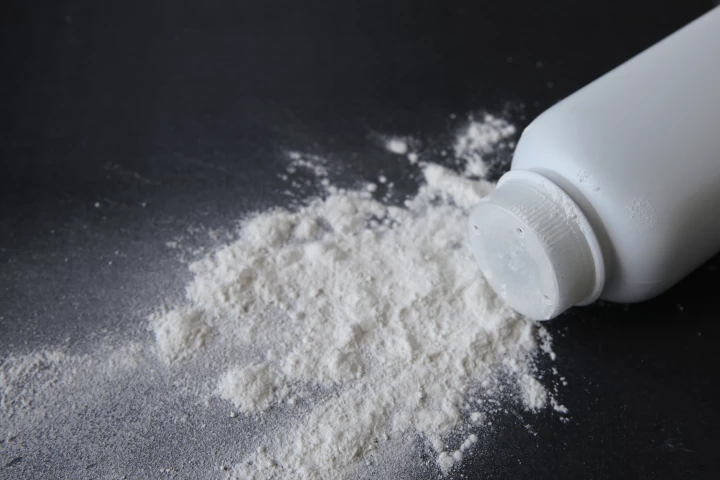 The World Health Organization's cancer research agency has delivered a damning report on the soft mineral talc, calling it "probably" carcinogenic to humans, in particular powders that have been contaminated with asbestos during the mining process.
 -
 A debate has raged for decades as to whether a common artificial sweetener, aspartame, causes cancer. While the World Health Organization has now said it 'possibly' does, experts argue there's little evidence to support this and that it's still safe.
 -
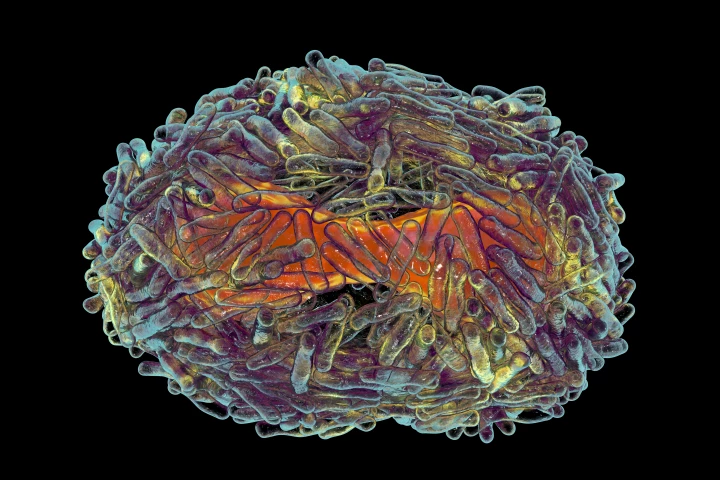 Following calls from global experts, the WHO has announced it will assign a new disease name to monkeypox. Opening the process to the public for the first time, early suggestions for the new disease include Poxy McPox, Mpox, MOVID-22 and Banepox.
 -
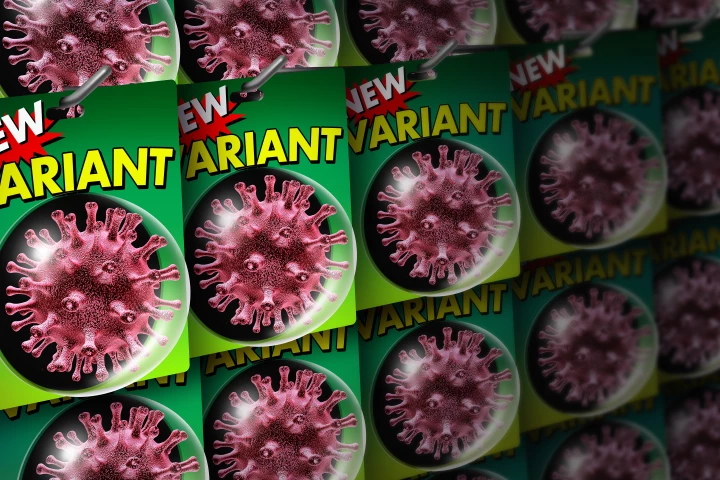 Over the last few weeks the FDA and the WHO have disagreed over what direction COVID-19 vaccines should take later this year. Which Omicron subtype should boosters focus on, and how quickly can vaccine makers deliver new doses?
 -
 A study is offering the first genomic analysis of the virus behind the current wave of monkeypox. The research indicates it has rapidly generated an unusually high volume of mutations that could be associated with increased human-to-human transmission.
 -
 The world has surpassed 500 million officially recorded COVID-19 cases, according to data from Johns Hopkins University. Other researchers estimate nearly half of the world’s total population has likely been infected at least once with SARS-CoV-2.
 -
 The World Health Organization has recently identified a new SARS-CoV-2 variant of concern. Emerging out of southern Africa the variant has been dubbed Omicron and initial analysis indicates it carries a large number of novel mutations.
 -
 For the first time in several months the World Health Organization has added another SARS-CoV-2 variant to its official tracking list. Given the Greek Alphabet letter Mu, this newly defined “variant of interest” has been detected in 40 countries.
Load More