
Wheat
-
 For years, millions of people have sworn that gluten makes them ill – even if they've returned negative results when tested for coeliac disease. Now, researchers have found that it's far more complicated, and gluten itself may not be the culprit.
 -
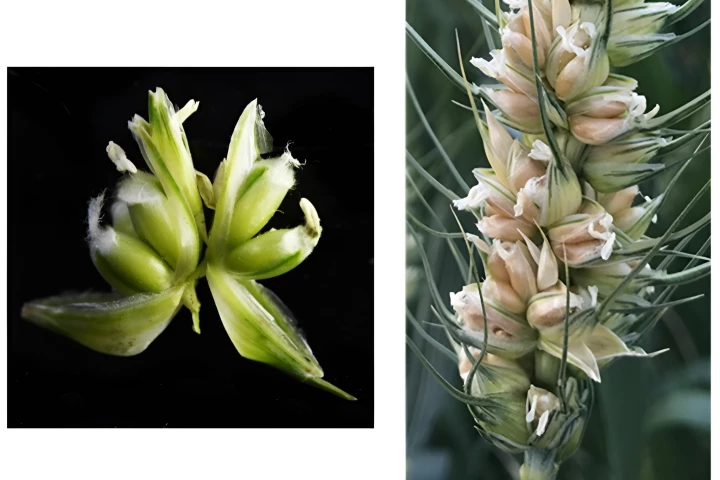 Imagine if three times as much grain could be obtained from the same amount of wheat plants as is currently possible, using the same amount of land, water and fertilizer. Well, that could soon be possible, thanks to a new genetic discovery.
 -
 Thousands of people who suffer from irritable bowel syndrome swear off a range of food categories to improve their symptoms. One of these categories is gluten, although a new small study shows it might not be the villain many think it is.
 -
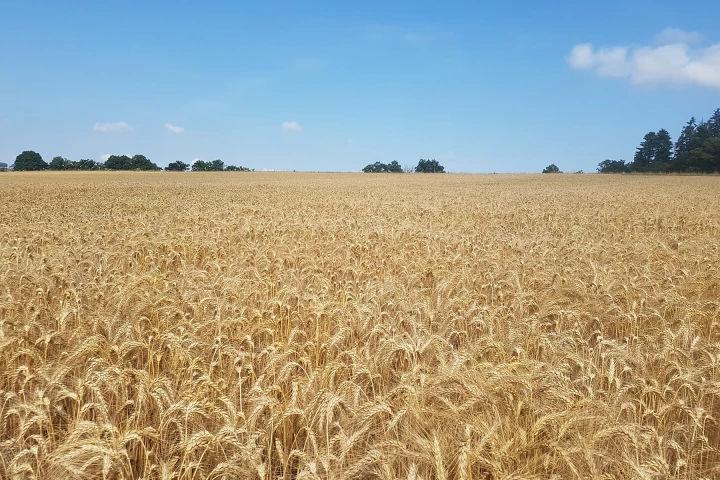 Farmers have long known that it's a good idea to rotate crops. A Swiss study now indicates that wheat yields are boosted when those crops are planted in fields previously used to grow maize, which altered the soil's microbiome.
 -
 By digging up and eating sown wheat seeds, mice can have a huge impact on farmers' crops. In an eco-friendly effort to stop the rodents from doing so, scientists are now using wheat germ oil to make entire fields smell appetizing.
 -
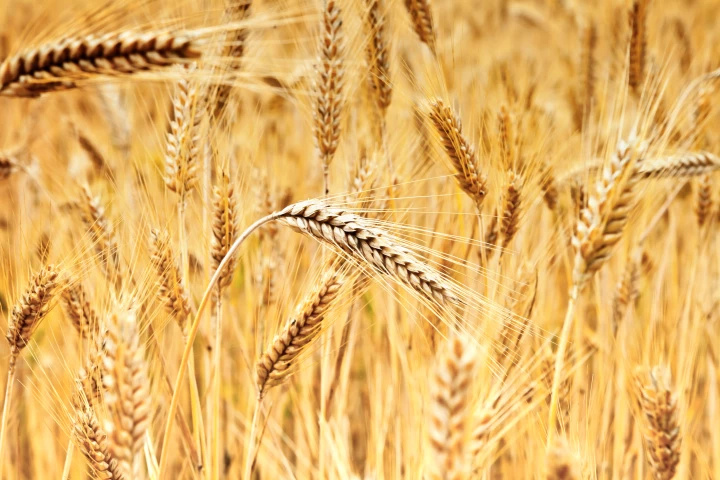 Wheat is one of the most widely grown crops, so any increases in its yield could go a long way towards reducing world hunger. That's where a new variety comes in, as its yield is reportedly up to 11 percent higher than that of regular wheat.
 -
 Disposable diapers are not eco-friendly, not only because of their plastic outer shell, but also due to their petroleum-based absorbent inner layer. There could soon be a sustainable alternative to the latter, though, and it's made from wheat gluten.
 -
 The results of a clinical trial find introducing gluten into a baby's diet from the age of four months may reduce their risk of developing celiac disease. The researchers stress larger trials are necessary before any broad dietary recommendations are suggested.
 -
 After a massive international effort involving over 200 scientists across 20 countries, the entire wheat genome has been finally sequenced. The landmark human achievement is hoped to lead to more efficient wheat breeding and production of crops.
 -
 It's no surprise to hear that many people who consume a typical Western diet don't get enough fiber. They could, of course, change their eating habits, but now they may not have to. Scientists have developed a new type of wheat that has 10 times the amount of fiber as its normal counterpart.
 -
 A new study has examined the potentially disastrous implications that a combination of global warming and air pollution could have on crop yields by the year 2050.
 -
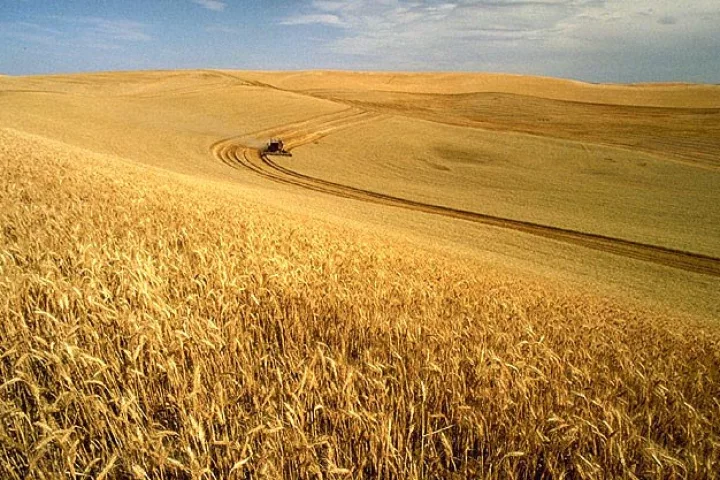 A recently-published research paper states that perennial grain crops would have numerous advantages over our current annual crops.