
Vienna University of Technology
-
 What we think of as polyester fabric is most often actually a blend of polyester and cotton, which has proven very difficult to recycle. A new solvent, however, breaks the blend down into its two components, leaving both almost completely reusable.
 -
 Wild boar in the woods of Austria and Germany have levels of radioactivity that makes their meat unsuitable for eating. Once thought to be the result of the Chernobyl nuclear accident, new research points to another, darker, source of contamination.
 -
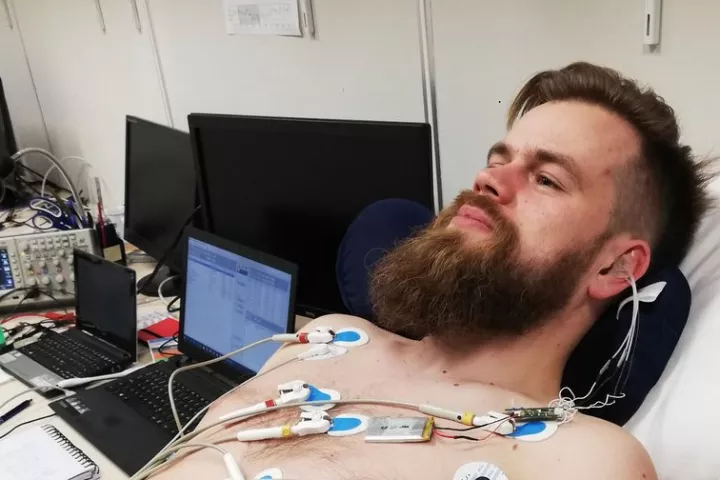 As some readers may already know, in-ear stimulation of the vagus nerve can help relieve pain in other parts of the body. Thanks to new research by Austrian scientists, such treatments could soon be more effective than ever.
 -
 A radioactive cloud spread over Europe in late 2017. Despite official denials, all the evidence pointed to Russia. A new study tracking over 1,000 atmospheric measurements suggests an unreported nuclear accident did likely occur at the Mayak facility in the Southern Ural mountains of Russia.
 -
 When a vein or artery gets seriously blocked, a common course of action involves replacing it with part of another blood vessel harvested from elsewhere in the patient's body. Scientists have now developed an alternative – polymer fabric vessels that transform into biological ones, once implanted.
 -
 A newly developed optical transistor could be the key to higher-performance CPUs and a leap forward toward a practical quantum computer.
 -
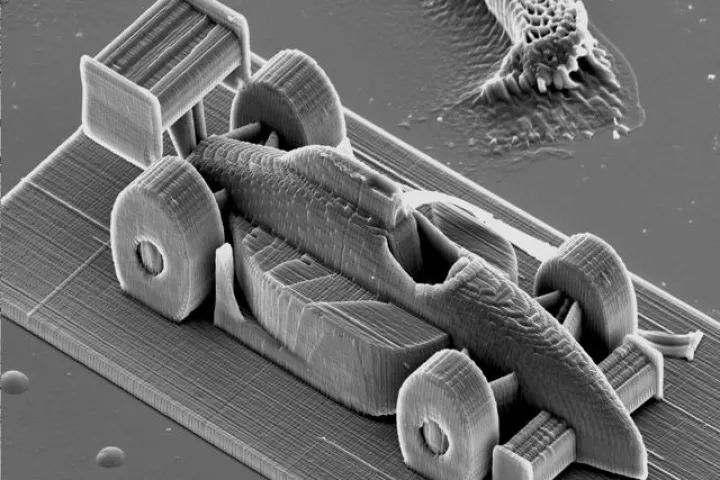 Researchers have created a high-speed 3D printer, capable of creating intricate objects smaller than a grain of sand.
 -
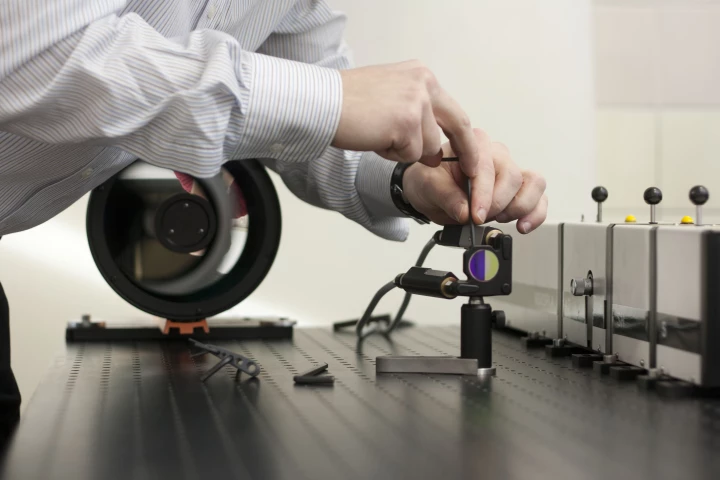 Researchers at the Vienna University of Technology have developed a system that uses laser beams to allow explosives within a nontransparent container to be detected at distances of over 100 meters.
 -
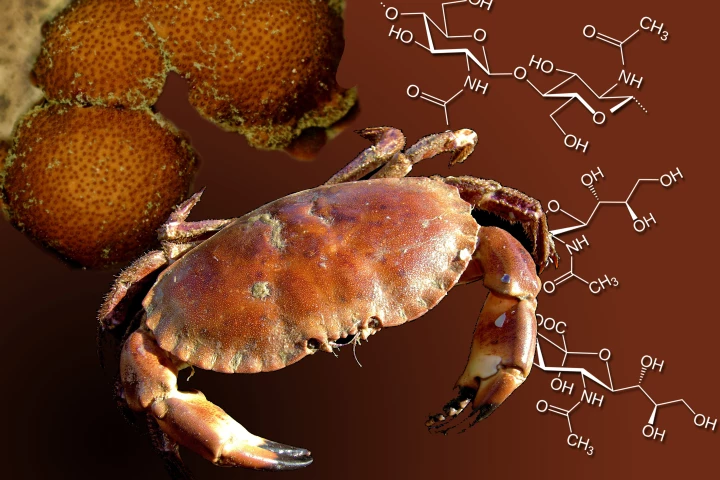 The chitin found in crab and lobster shells is being used in a process that could lead to much cheaper antiviral drugs.