
University of Toronto
-
 For some time, we've known that it's rare to see people with both cancer and Alzheimer's diseases. Now, scientists believe they may have found why, discovering a molecule in cancer cells that clears problem proteins from the brain.
 -
 New evidence shows that Neanderthals, early Homo sapiens and even earlier hominins were using, processing and eating starches, grass seeds, nuts, fruits, sedges and tubers long before the supposed "Broad Spectrum Revolution" diet shift took place.
 -
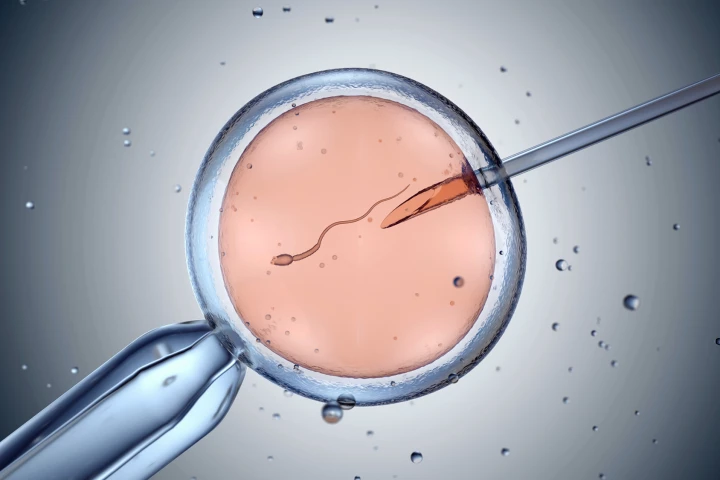 New research shows cannabis can speed up egg maturation but at the cost of egg quality, increasing the risk of abnormal embryos. Fertility experts say even occasional use may compromise IVF success and pregnancy chances.
 -
 A new AI model can predict the likelihood of premature death from inflammatory bowel disease, with 95% accuracy. This is good news – by looking beyond the gut for early treatment of other chronic illnesses can greatly reduce the early mortality rate.
 -
 Scientists have discovered the oldest known skin fossils, dating back long before the dinosaurs. The samples, found in a cave in Oklahoma, USA, show that reptile scales haven’t changed much in the last 286 million years.
 -
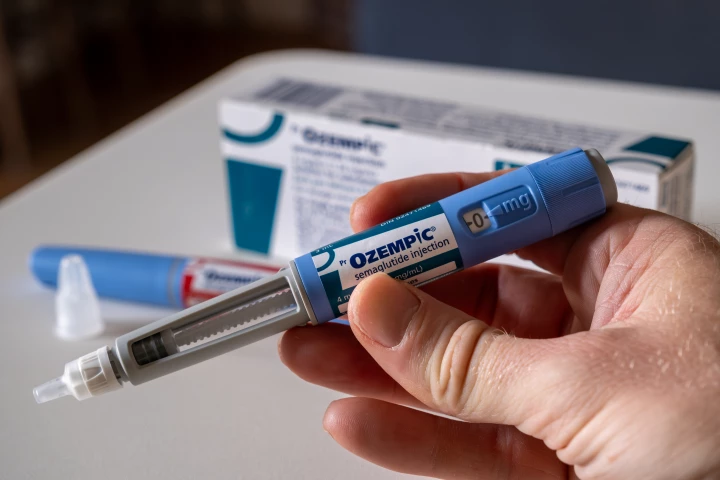 In yet another surprise attribute of the new class of obesity drugs, scientists have found that GLP-1 receptor agonists can also subdue brain inflammation, giving them a potential ‘superpower’ in the fight against Alzheimer’s and Parkinson’s diseases.
 -
 A study has found that a higher sensitivity to pain may increase the likelihood that someone will be sympathetic to opposing political views, and may even cause a Trump supporter to vote for Biden and a Biden supporter to vote for Trump.
 -
 If you’ve ever felt like you need more hours in the day, well how does 60 sound? A new study suggests we’d have 60-hour days by now if a stalemate between the Sun and Moon hadn’t interfered with Earth’s rotation for over a billion years.
 -
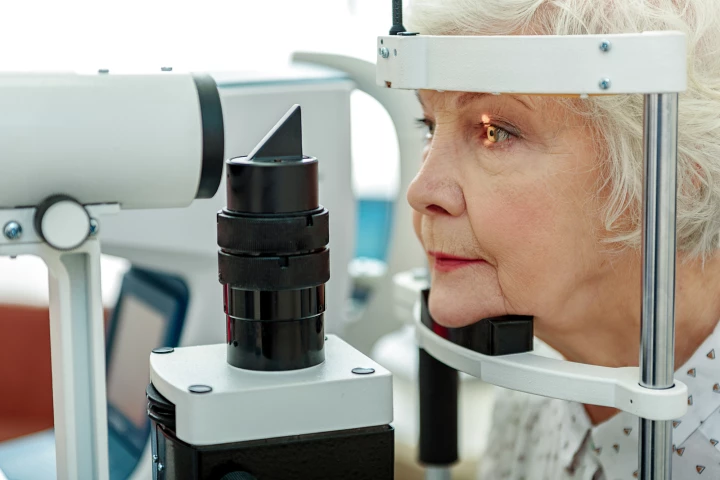 Most of the impacts of a warming planet are fairly obvious. But here's a strange one: researchers have found that older adults living in climates with higher average temperatures suffer a significantly increased rate of serious vision impairments.
 -
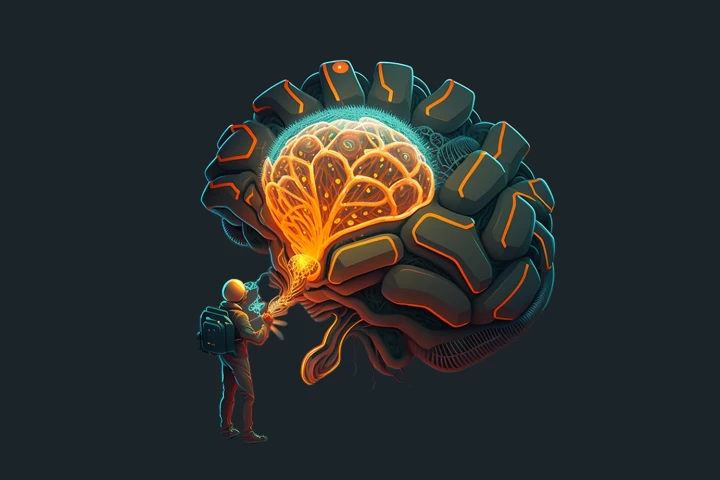 Researchers tricked glioblastoma cancer cells in mice into taking up iron-filled carbon nanotubes. They then shredded those cells by spinning the tubes using magnetic force. The technique has the researchers hopeful for a similar result in humans.
 -
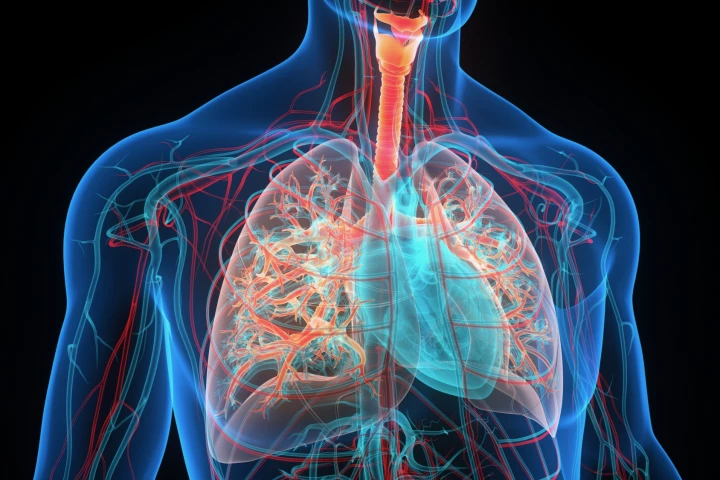 The standard for storing lungs for transplant procedures has been to pack them in ice in coolers and rush them to the surgery site. But researchers have found that a warmer temperature can dramatically improve the time during which they stay viable.
 -
 A new study has delved into the metabolic effects of getting up during a sedentary work day for a short spurt of exercise, and shown how it can improve sugar processing after a meal to help maintain muscle mass and quality.
Load More