
University of Missouri
-
 Kale has long been crowned a “superfood,” praised for its rich antioxidant and nutrient content – but new research suggests many of those perks go untapped unless you pair the leaves with something to boost the body's ability to absorb the good stuff.
 -
 A high-fat, low-carb ketogenic diet may protect the brain from early Alzheimer’s disease changes in people genetically at risk, new research suggests, by rebalancing gut bacteria and restoring brain energy metabolism.
 -
 Soy has been a kitchen hero in Asia for centuries, packed with nutrition and health perks but many Western eaters shy away due to their "beany" taste, perceiving them as grassy and earthy. So can scientists engineer a new kind of tasty soy bean?
 -
 If someone is afflicted with heart disease, it's important that their cardiac activity be monitored as accurately as possible. An experimental new wearable device is designed to make that happen, by copying the body structure of the starfish.
 -
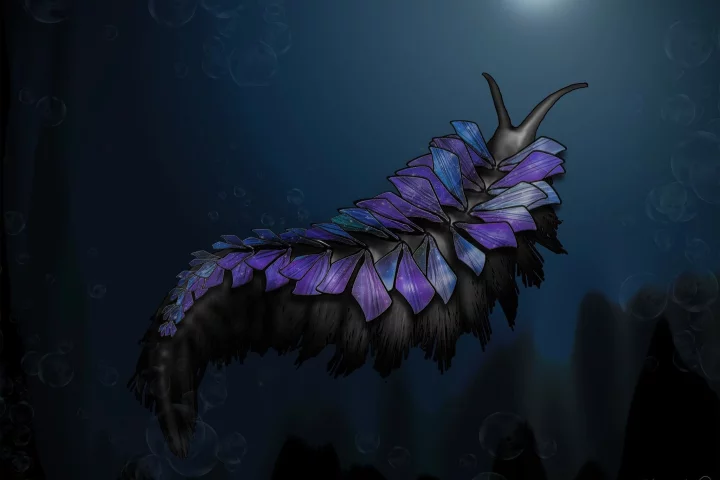 A new genus and species of ancient sea worm with an impressive set of star-shaped chaetae has been identified, after its fossil first puzzled paleontologists. Thanks to its alien-worm-like appearance, scientists found a fittingly sci-fi name for it.
 -
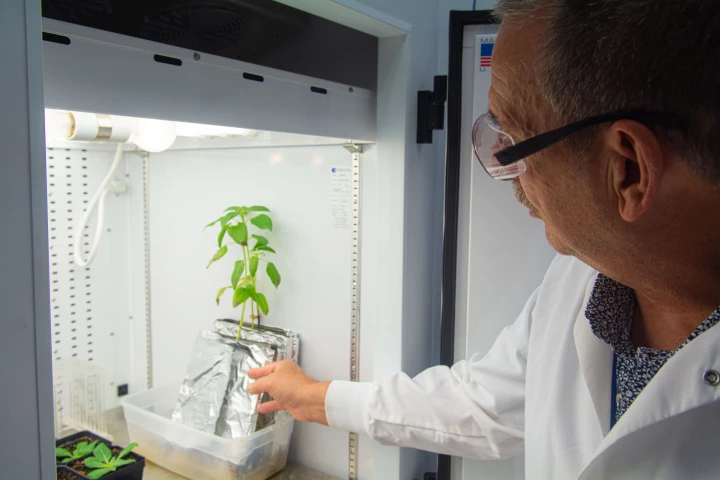 It would certainly be logical to think that plants don't do well when exposed to forest fire smoke. New research, however, suggests that certain crops get hardier and more disease-resistant when liquid smoke is added to the soil.
 -
 A trial has found a specific type of video-game therapy is as effective as traditional methods of rehabilitation in patients recovering from a stroke. The trial also found the therapy reduces the need for face-to-face time with therapists by 80 percent.
 -
 Having your blood pressure measured via an arm cuff can be stressful, potentially causing that pressure to be higher than normal when the reading is taken. A new finger clip, however, is promised to make the process quicker and easier for patients.
 -
 One the largest carnivores to ever walk the Earth may have had an air conditioner in its head to help regulate its temperature.
 -
 A team of volcanologists at the University of Missouri turned fashion models recently as they showed off prototype lava suits that are designed as comfortable, hard-wearing field outfits for scientists bound for the slopes of Vesuvius and the like.
 -
 When you're studying wildlife, it's important to have a way of differentiating between individual animals. With that in mind, scientists have discovered that bats can be told apart via their unique "wing prints."
 -
 It may have taken 13 years to get her all cleaned up, but a toddler's fossil named Selam has finally be separated from the sandstone in which she was entombed. Beneath the rock was a surprise: The most complete spinal column of any early human relative.
Load More