
University of Minnesota
-
 In the first US study looking at whether the recommended fluoride levels in drinking water affects brain function, researchers have found that the hot-button mineral has no negative impacts on cognition – and may actually be giving it a boost.
 -
 A new two-step process that safely rewarms frozen tissues using nanoscale magnetic rods could preserve donor organs long-term. The procedure provides an alternative to current time-limited methods and paves the way for more life-saving transplantations.
 -
 Using the neuroimaging data of nearly 12,000 participants, researchers have confirmed there is a critical need for taking a ‘whole brain approach’ when diagnosing, researching and treating attention-deficit hyperactivity disorder (ADHD).
 -
 Scientists have performed the first successful transplant of an organ that had been cryogenically frozen and rewarmed. Rats that were given transplants of kidneys preserved through a new technique regained regular organ function within weeks.
 -
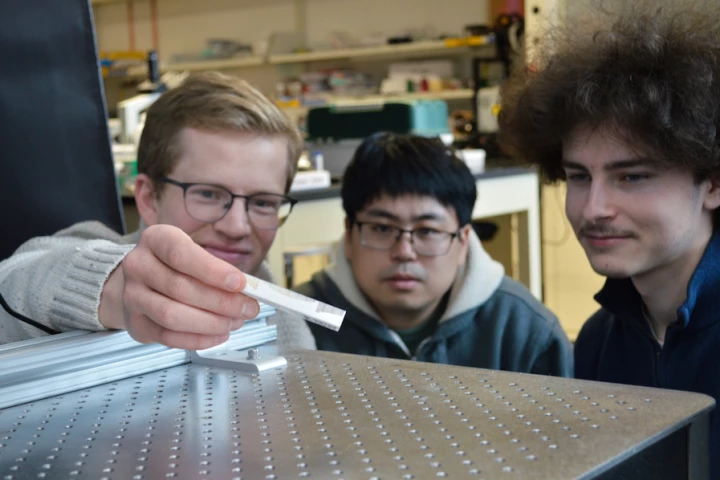 Engineers have developed a new system that can move objects without physical contact. The technique involves ultrasound waves acting on specialized surfaces to push or pull objects in set directions, which could help in manufacturing and robotics.
 -
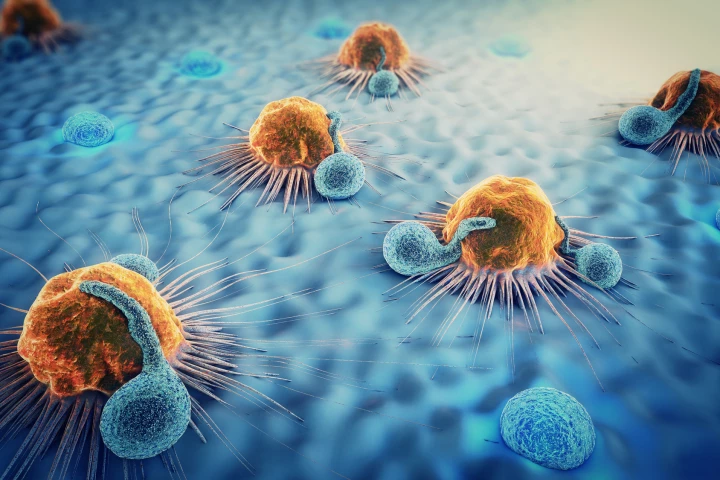 A research team working to better understand the movements of cancerous cells has made an important breakthrough, describing a "sweet spot" where these cells like to congregate, which could reveal new ways to stop them in their tracks.
 -
 Researchers have developed a non-hormonal male contraceptive pill that disrupts a protein involved in sperm formation. Tests in mice have so far been promising, showing effective prevention of pregnancy, reversibility within weeks, and no side effects.
 -
 Patients don't like getting needles, nor do clinicians like having to keep protein-based vaccines cold at all times. A new polymer wafer – which dissolves when placed under the tongue – could address both issues.
 -
 When a child receives a replacement heart valve, the device doesn't grow along with them. This means it will have to be surgically replaced, multiple times. Such may not be the case, however, with a new valve that's currently in development.
 -
 A number of hearing aids are now able to amplify one person's voice while filtering out distracting background voices. Well, it turns out that female tree frogs are able to perform a similar task, in order to hear the mating calls of males.
 -
 Researchers at the University of Minnesota have designed a silicone device, covered in 3D-printed neuronal stem cells, that can be implanted into a spinal injury. There it grows new connections between remaining nerves to let patients regain some motor control.
 -
 There may be an unexpected upside to being relatively forgetful – you might be able to enjoy things for longer. A new study has found that people with a higher-capacity memory tend to get bored faster, due to the fact that they remember experiences in more detail and feel more satiated by them.
Load More