
University of Massachusetts
-
 A next-generation cancer vaccine has shown stunning results in mice, preventing up to 88% of aggressive and difficult-to-treat cancers by harnessing dual-pathway nanoparticles that train the immune system to recognize and destroy tumor cells.
 -
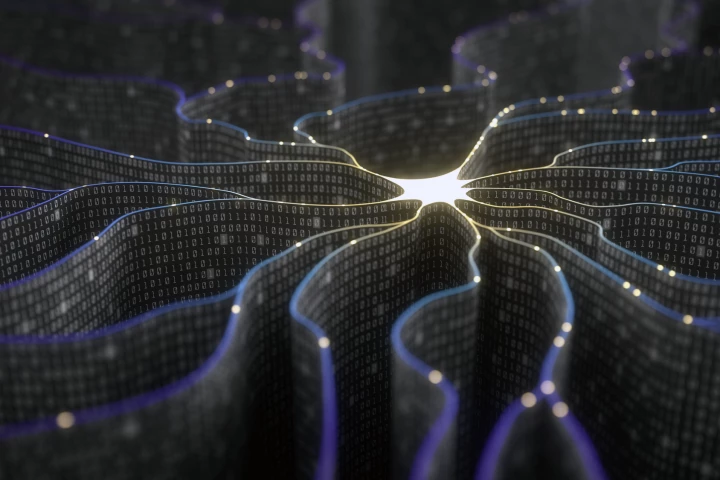 Scientists have built an artificial neuron that’s so realistic it fires, learns, and responds to chemical signals just like the real thing – a breakthrough that could transform computing, medicine, and the way that tech merges with biology.
 -
 Children exposed to the common antimicrobial triclosan were more likely to develop allergic symptoms, a new study has found. It raises fresh concerns over the health impacts of a chemical widely used in everyday products.
 -
 If your home has old lead water pipes, there's a chance that harmful concentrations of lead may be present in your water. An experimental new device could soon allow homeowners to check for themselves, instead of waiting for the city to do so.
 -
 A “bananageddon” might be on the horizon, and not for the first time. But new research could help save our favorite fruit.
 -
 Researchers are developing a robotic exoskeleton platform that could overcome the limitations of treadmills used during the rehabilitation of the many stroke survivors who have problems walking.
 -
 Cancer vaccines are a medical holy grail – but what if you could repurpose a vaccine you’ve already had? Scientists have demonstrated in mice a way to trick the immune system into attacking tumors by mistaking them for a pathogen it already targets.
 -
 When doctors want to see if someone has a certain illness, they may check the patient's blood or urine for the DNA of a specific virus or bacteria, or for a mutated version of the person's own DNA. A new device should make doing so much easier.
 -
 Science is quickly catching up to the powerful sniffers on dogs with its own range of artificial noses. Case in point: researchers modified E. coli bacteria to spin electrically conductive nanowires capable of detecting disease-related odor molecules.
 -
 Ultra wide-angle fisheye lenses are typically thick, bulbous contraptions, that can't easily be incorporated into devices such as smartphones. That could be about to change, though, as engineers have now created one that's completely flat.
 -
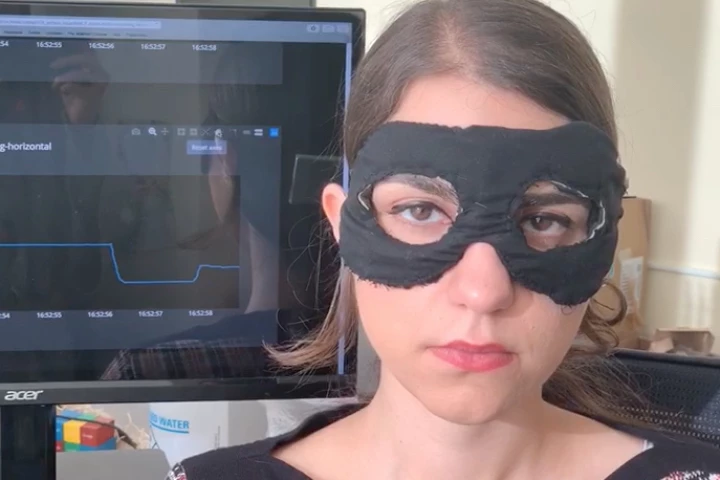 When tracking a sleeping person's eye movements, you typically have to stick hard-wired electrodes onto their face. Soon, however, an unobtrusive flexible mask could do the job – while also measuring their heart rate.
 -
 New research from the University of Massachusetts Amherst is adding weight to a growing body of evidence suggesting the food additive titanium dioxide, also known as E171, can disrupt the gut microbiome, leading to colonic inflammation.
Load More