
University of Maryland
-
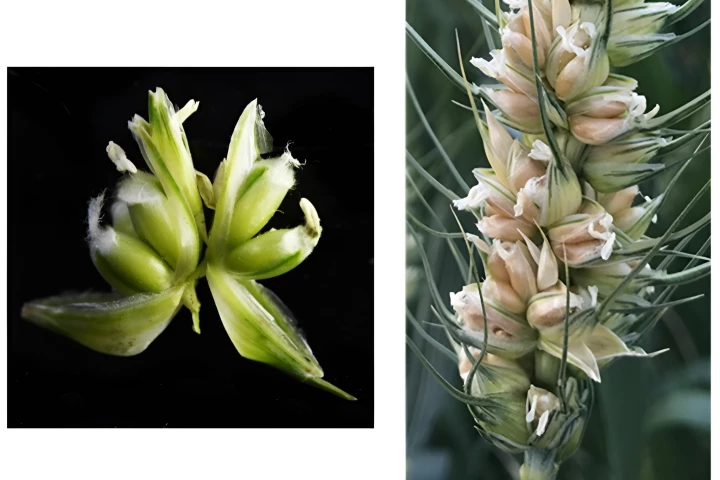 Imagine if three times as much grain could be obtained from the same amount of wheat plants as is currently possible, using the same amount of land, water and fertilizer. Well, that could soon be possible, thanks to a new genetic discovery.
 -
 As if hard vacuum, intense cosmic radiation, corrosive dust, meteors, and temperatures whiplashing hundreds of degrees between night and day weren't enough, personnel at future Moon bases will be at significant peril from moonquakes.
 -
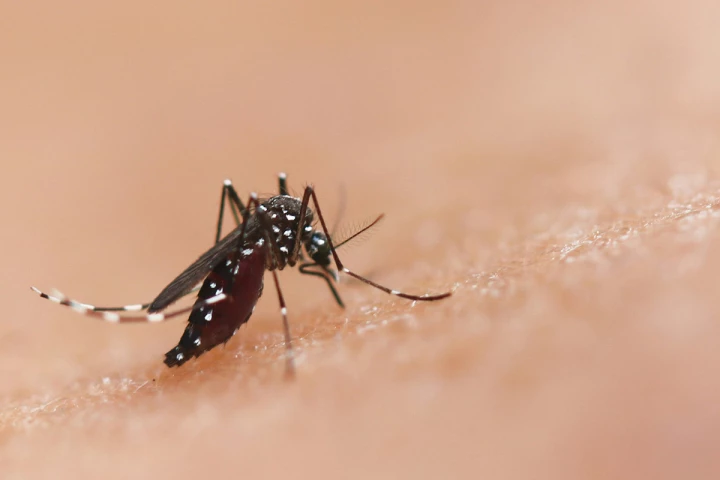 Mosquitoes have long been among humanity’s most formidable adversaries, causing more deaths than any other animal. With traditional control methods facing mounting resistance, researchers are seeking innovative ways to combat mosquito-borne disease.
 -
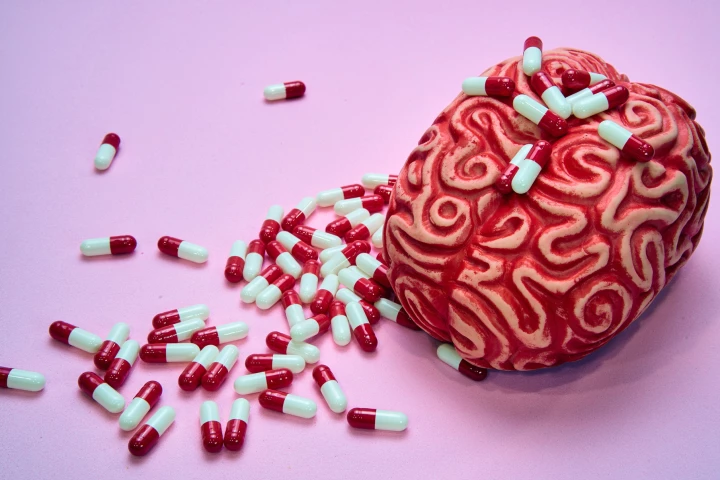 Not everyone with ADHD responds to stimulants like Ritalin, which increase dopamine levels. New research suggests the drug’s effectiveness is less about the dopamine it produces and more about the number and type of brain receptors that respond to it.
 -
 A 3,775-year-old log discovery has lent credence to the idea of burying wood to sequester the carbon it contains. Known as a wood vault, the concept helps keep CO2 out of the atmosphere while allowing the soil to be used for crops and other purposes.
 -
 Scientists have discovered that viruses can latch onto other viruses to insert their genes into host cells. Lab results with apparent contamination led the team to directly see the strange interaction for the first time.
 -
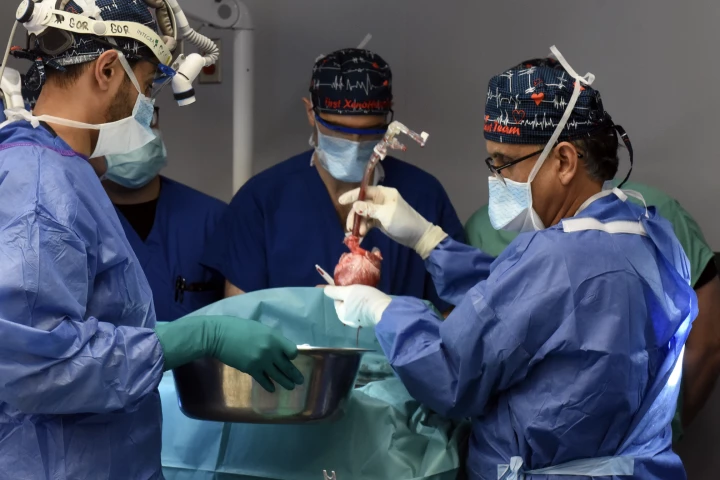 A 58-year-old man with terminal heart disease has become the second patient to receive a pig's heart, in a complicated, high-risk xenotransplant. The first recipient died last year from complications, two months after the landmark world-first surgery.
 -
 When someone overdoses on opioid drugs, a medication called naloxone can save their life by quickly mitigating the effects of the narcotics. A new chemical shows promise for serving a similar role, but it also works on non-opioid drugs.
 -
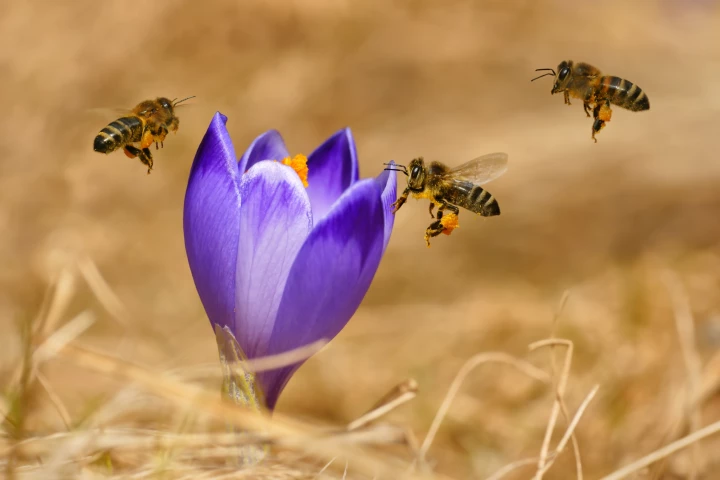 Striking new research suggests the lifespan of honey bees kept in controlled laboratory conditions is 50% shorter than what was seen in the 1970s. The researchers hypothesize genetic changes in bees may be responsible for the shorter lifespans.
 -
 Looking at nearly 50 studies previously published on the relationship between genes and ischemic stroke, researchers have found blood type may play a role in the likelihood of young adults experiencing this life-threatening event.
 -
 A new article has offered insights into the world’s first pig-to-human heart transplant, which took place earlier this year. Researchers report the patient died unexpectedly two months after the procedure and the exact cause of death is still unclear.
 -
 Researchers at the University of Maryland have developed a new gene-editing system they call CRISPR-Combo, which can edit multiple genes at once while also changing the expression of others in plants, to increase efficiency of genetic engineering.
Load More