
University of Hong Kong
-
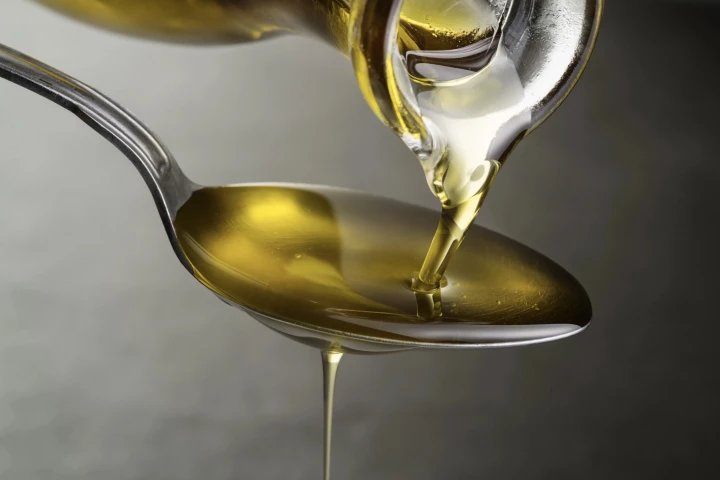 In a groundbreaking study, a healthy fatty acid in olive oil has been found to "supercharge" immune cells that fight cancer. Meanwhile, another kind of natural fat undermines the health of the same cells, killing them off and triggering inflammation.
 -
 The North Atlantic has a new title as the global hotspot for hurricane clusters, with the likelihood of multi-storm events forming here increasing tenfold in 46 years. It's the first clear picture of how Earth's warming has shifted cluster patterns.
 -
 For the first time, scientists have uncovered a distinct biological process triggered in those who suffer from high levels of Monday anxiety, resulting in chronic stress. And it can lead to serious health problems if it's left unmanaged.
 -
 Scientists have engineered a hybrid mouse with a gene that predates all animal life. The team replaced a single gene in the mouse stem cells with a version from an ancient, single-celled ancestor, and successfully grew healthy live mice from it.
 -
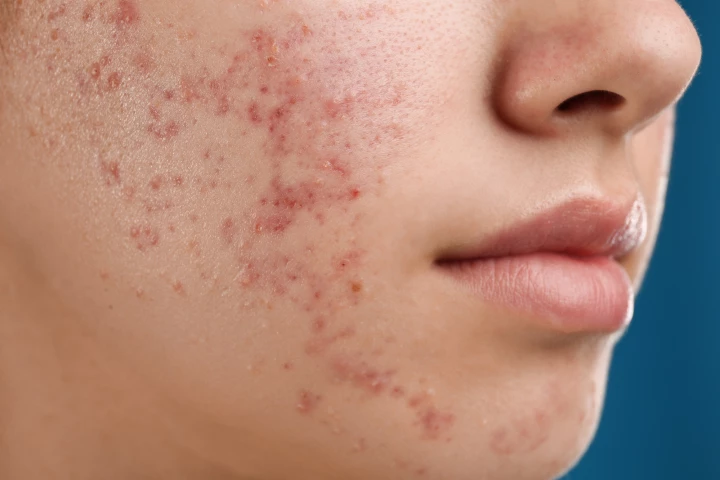 A novel microneedle patch may bring new hope to people who struggle to keep their acne under control. Instead of utilizing antibiotics, the device releases nanoparticles that kill acne-causing bacteria when triggered by exposure to ultrasound.
 -
 Despite protective measures, endangered fish species are regularly caught then sold in open markets. And while visually searching them out can be difficult, a new technology could more easily allow authorities to know which species are being sold.
 -
 MRI is a powerful diagnostic tool, but the size and cost limits where it can be used. A compact, affordable new MRI system uses a much smaller magnetic field and doesn’t require shielding, and is still able to diagnose brain disorders in patients.
 -
 The growing problem of antibiotic resistance isn’t slowing down, which could soon render our best drugs useless against infection. Now, an existing rheumatoid arthritis drug could be repurposed to cancel bacteria’s resistance to antibiotics.
 -
 A new case study is reporting the first clinically confirmed case of SARS-CoV-2 re-infection. Responding to the news, infectious disease specialists suggest the re-infection is not surprising, could be rare, and may have implications for the efficacy of a vaccine.
 -
 It's no secret that the world's coral reefs are dying off at an alarming rate. In order to encourage the growth of the coral that remains, scientists from the University of Hong Kong have developed what are known as "reef tiles."
 -
 A new study paints pterosaurs as far cuddlier creatures than we might have thought. According to an international team of palaeontologists, pterosaurs were covered in no less than four different types of feathers, pushing back the origin of this bodily covering by about 70 million years.
 -
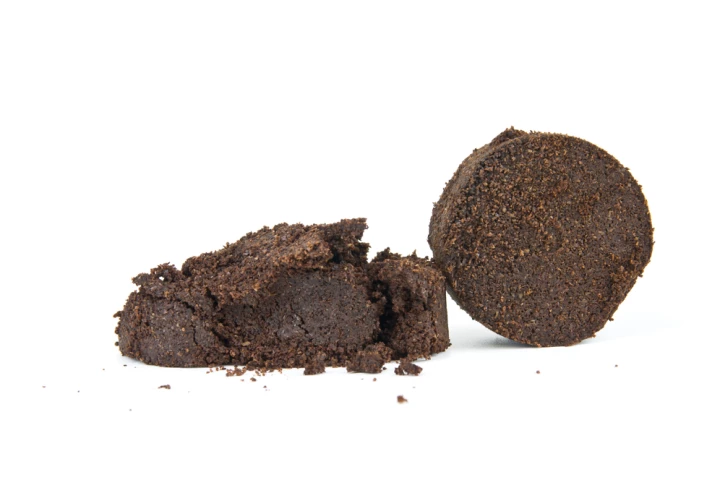 A chemical engineer has created a "food biorefinery" that converts food waste from Starbucks into a key ingredient used in many products.