
University of Helsinki
-
 Science's war against the super-small and, sometimes, super-deadly bacteria that have evolved to resist destruction by antibiotics may have just enlisted new, unlikely allies: invertebrate creatures living in the frigid depths of the Arctic Ocean.
 -
 Detecting the first stages of heart failure could soon be as simple as placing a smartphone on a patient's chest. That's the conclusion of an ongoing study, which is aimed at developing an app for diagnosing the potentially lethal condition as early as possible.
 -
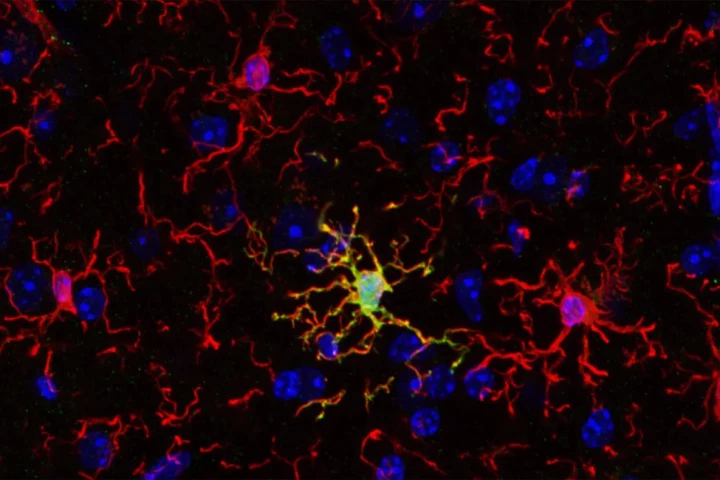 A new study has identified a subset of microglia, the brain's immune cells, and their important role in brain development and cognition that could pave the way for new treatments for neurodegenerative conditions like Alzheimer’s disease.
 -
 A new study has found that a species of gut bacteria cause the destructive nerve cell ‘clumps’ that are a hallmark of Parkinson’s disease. The discovery opens the door to the development of targeted treatments for this debilitating disease.
 -
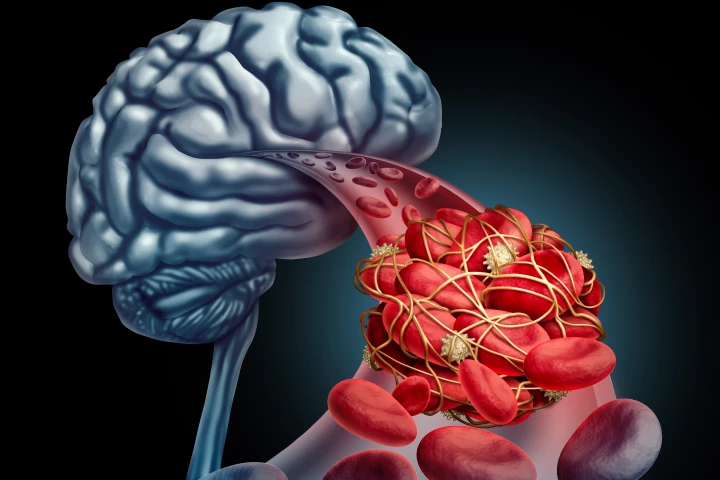 Intracerebral hemorrhage is a devastating disease that becomes increasingly deadly for its survivors. Scientists now hope a novel discovery that helps rid the brain of toxic debris can lead to life-saving treatment for the condition that has no cure.
 -
 Horses were likely the first “vehicle” humans used to travel faster and farther, but when exactly did we start riding them? Scientists have now found archeological evidence that suggests horseback riding started some 5,000 years ago.
 -
 One of the best ways of tracking an infant's neurological development is to observe their movements as they play. A new "smart" jumpsuit is designed to do so automatically, providing consistently accurate data via machine learning technology.
 -
 A massive international study designed to unearth new knowledge around the causes of migraines has turned up some interesting new insights, with the authors effectively tripling the number of known genetic risk factors for the condition.
 -
 Egg white powder is a widely used food ingredient, which means that a lot of hens have to be raised on a lot of farms, producing a lot of waste. There may soon be a greener alternative, however, thanks to a fungus which produces a key egg protein.
 -
 Scientists have used 49 pairs of identical twins to delve into the metabolic changes that can take place in fat tissue as a result of obesity, teasing out some distinct biological processes that were linked to adverse health effects.
 -
 Astrophysicists have found evidence of quark matter at the heart of compact stars. Combining recent theoretical calculations with astrophysical observations, the researchers found that the most massive neutron stars most likely have “quark cores.”
 -
 Scientists in Finland have conducted a study investigating the root causes of fearfulness in dogs, uncovering a previously unknown link between urban living environments and social fearfulness in dogs.
Load More