
University of California Berkeley
-
 A new study has revealed how the brain uses the night to flood the body with pulses of growth hormone to repair muscles, strengthen bones and balance metabolism. And why cutting corners on sleep undermines your physical health short- and long-term.
 -
 Just when you think you've seen it all, researchers claim to have developed a way for people to see a color the human eye has previously never seen before. They're calling this new hue 'Olo.'
 -
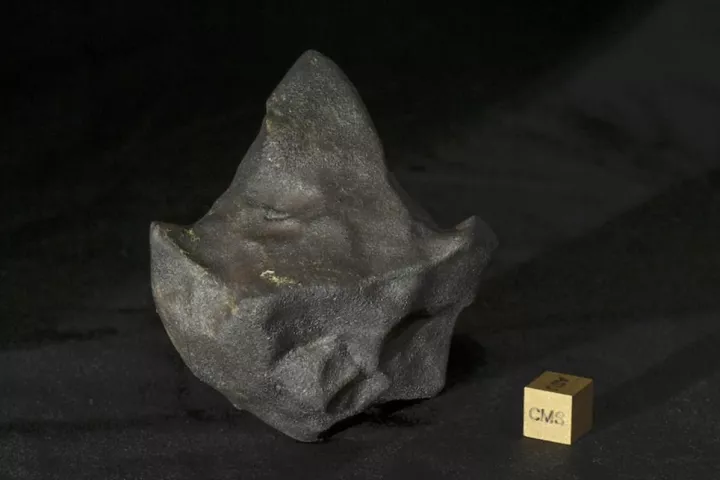 One of the most studied space rocks of all time has surprised us again, with the "mudball meteorite" Aguas Zarcas having cruised around the solar system for two million years without as much as a scratch. It defies the "fragile" class it belongs to.
 -
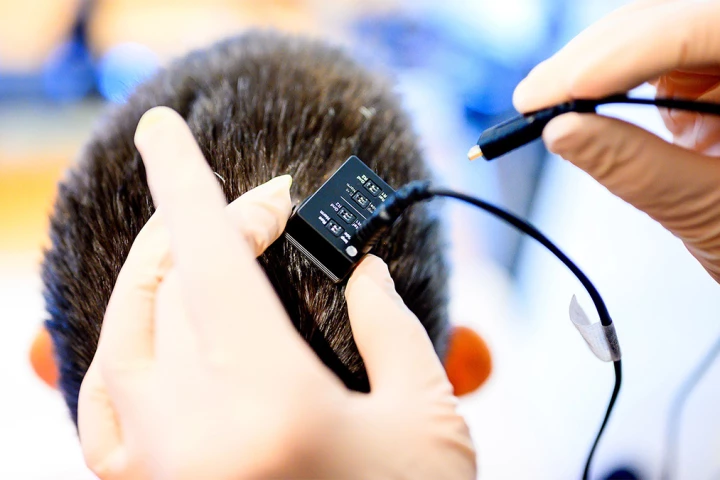 A team of California-based researchers has developed an incredible AI-powered system to restore natural speech for paralyzed people in real time and using their own voices.
 -
 Under the right circumstances, electrons can actually “freeze” into a bizarre solid form. Now, physicists at Berkeley Lab have created and taken the first ever direct images of this structure.
 -
 While fans of Another Brick in the Wall (Part 1) may be horrified, researchers have recreated the song from brain activity. In the process, they discovered the way brains process rhythm and melody, which has huge implications for therapies.
 -
 Researchers have developed a new technique to better detect extraterrestrial radio signals by weeding out the interference caused by Earth-based devices. It’s hoped that the technique will lead to the first evidence of alien life.
 -
 Could salt, one of the oldest preservatives around, help keep carbon deep underground for thousands of years? Researchers believe it can, and that it might offer a way forward in containing a gas that's a major contributor to climate change.
 -
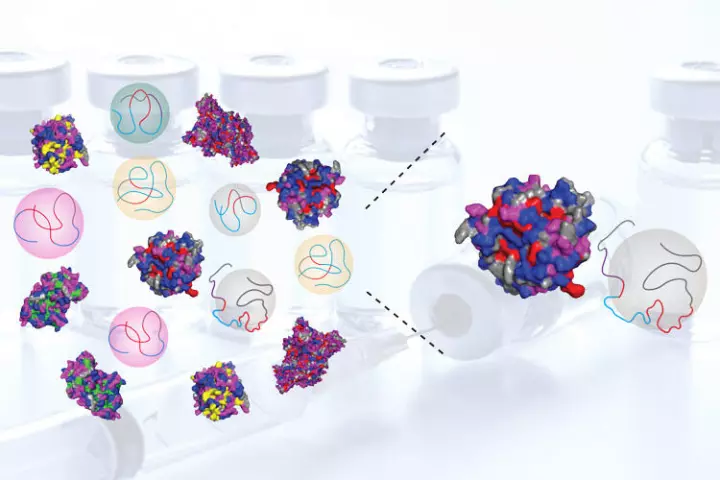 Can we take shortcuts on nature’s blueprint and make more efficient synthetic proteins? A new study finds simple combos of synthetic building blocks can make for protein alternatives that work just as well as, or even better than, the real thing.
 -
 UC Berkeley chemists say they've created a simple, and very inexpensive way to capture carbon dioxide using a polymer called melamine, that's far cheaper than metal-organic frameworks. It could capture carbon emissions from smokestacks or tailpipes.
 -
 A major challenge when it comes to preserving tissues and organs for transplantation is preventing the buildup of ice crystals that can cause critical damage, but an emerging technology may help sidestep the whole issue.
 -
 Scientists have demonstrated yet another use for the ever-versatile wonder material graphene, using it as the basis for an advanced sensor that can image electrical signals from living cells and tissue in real time.
Load More