
University of California
-
 Scientists have identified a significant link between levels of choline and the prevalence of anxiety, suggesting that upping intake of this essential nutrient found in many foods could potentially improve symptoms of these debilitating disorders.
 -
 Imagine correcting your vision in under a minute – no lasers, blades or pain. Scientists have developed a non-invasive technique that reshapes the cornea using only a mild electric current and a temporary pH change. In early trials, it reversed myopia.
 -
 Upending long-held beliefs that testosterone levels fuel sexual desire, a new study has found that while the hormone plays a key role in reproductive success, elevated concentrations may instead drive 'courtship' efforts – particularly in single men.
 -
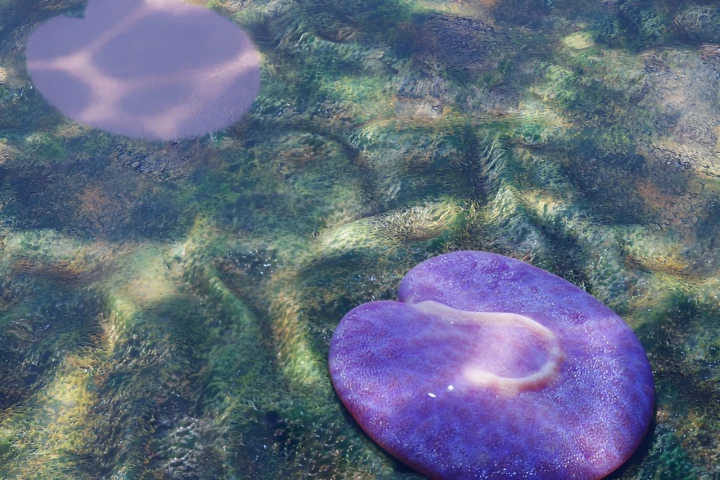 A surprise discovery in the Australian outback has delivered exciting insight into the origins of complex animal life. The animal fossil, dating back half a billion years, shows when bilateral symmetry emerged – a hallmark of most life on Earth now.
 -
 For the first time, scientists have found that a tiny region of our brain shuts down to take micro-naps while we're awake. These same areas 'flicker' awake while we're asleep. This could offer pivotal insights into diseases linked to sleep dysregulation.
 -
 For the first time, scientists from across North America have formed a clear picture of Alaska's 'rusting' rivers and streams, tracking 75 areas in the remote Brooks Range that are flushed with the bizarre hue so bright it's even visible from space.
 -
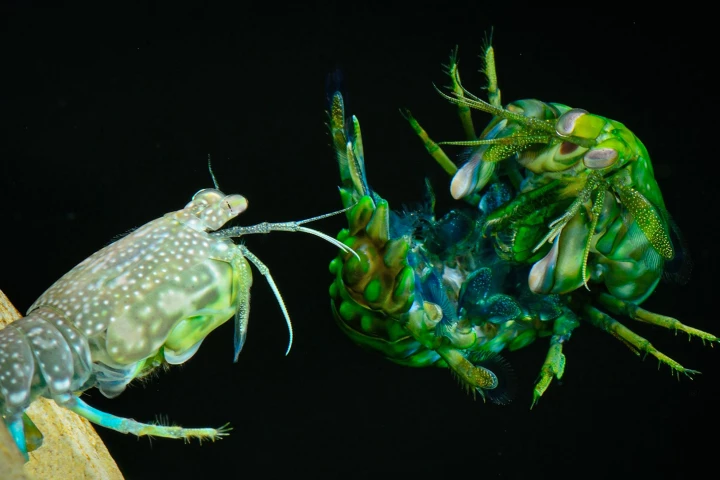 The infamous mantis shrimp is in possession of a club-shaped claw that can deliver fatal blows to everything from hard-shelled prey to thick aquarium glass. So what happens when they thump a fellow mantis shrimp foe? Thanks to science, we now know.
 -
 The animal kingdom has no shortage of weird and wonderful surprises, and this year biologists gave us some real treats to talk about. From microscopic bacteria to huge cetaceans, here are the most bizarre animal stories we covered in 2023.
 -
 You don't have to be a chemistry whiz to know that making a drug for $3 is a damn sight better than its current price tag of $3,200. The scientists behind this never-before-seen method centered around copper and oxygen say it's an industry game-changer.
 -
 A groundbreaking project has seen hundreds of scientists across the world uncover many mysteries of the evolution of mammals, work that may help us understand why humans are unique and what genetic changes may be key to some of our unique diseases.
 -
 Getting cancer drugs to the right place in the right quantities is a perpetual problem for medical scientists, but a group from University of California, Los Angeles has developed a new drug delivery system to address the problem.
 -
 Scientists have drawn up an alternative approach to tackle obesity that retrains the minds of people highly responsive to food cues to resist cravings, and demonstrated that it may outperform current go-to strategies for long-term weight loss.
Load More