
University of Alberta
-
 A landmark study has found that a workable exercise plan significantly improves survival and health of people who have survived colorectal cancer. So much so that, as one researcher notes, "Our findings will change the way we treat colon cancer."
 -
 Left untreated, frostbite can lead to the amputation of fingers and toes. That's where a new Canadian system comes in, which will allow frostbite to be treated quickly, effectively and on location … utilizing culinary-inspired technology.
 -
 The discovery of a quartet of fossilized snakes, a never-before-seen species of boa that lived 38 million years ago, has provided scientists with a rare insight into reptilian social behavior and provided clues about the evolution of its modern ancestors.
 -
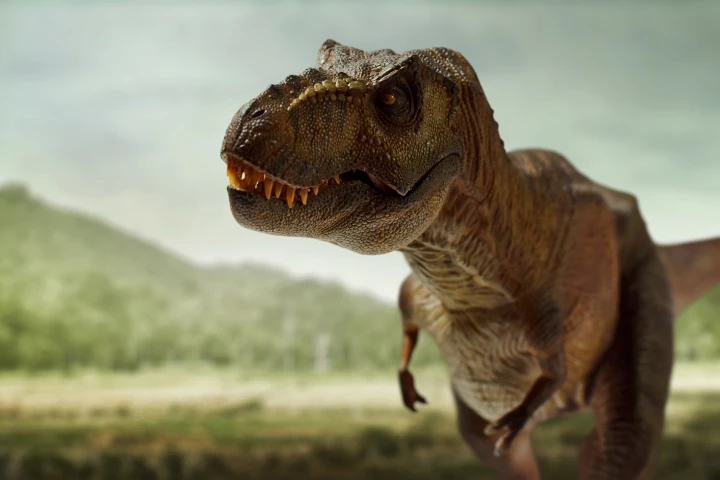 While we don't like to talk ill of the dead, new analysis has called into question the intelligence of the king of the dinosaurs. It upends last year's findings that likened the cognitive skills of the Tyrannosaurus rex to that of a primate.
 -
 Researchers developed a technique to implant a device containing insulin-secreting cells in a pocket under the skin, reversing diabetes in mice without the need for anti-rejection drugs. It could one day provide an alternative to insulin injections.
 -
 Researchers have discovered an old class of antipsychotic drugs may offer clues to a novel kind of treatment for type 2 diabetes. While the drugs may be directly repurposed, they could also be slightly modified to specifically target blood sugar control.
 -
 It has long been known that some of the earliest mammals coexisted with the later-period dinosaurs. Now, for just the second time ever, scientists have documented fossil evidence of a dinosaur having actually eaten one of those mammals.
 -
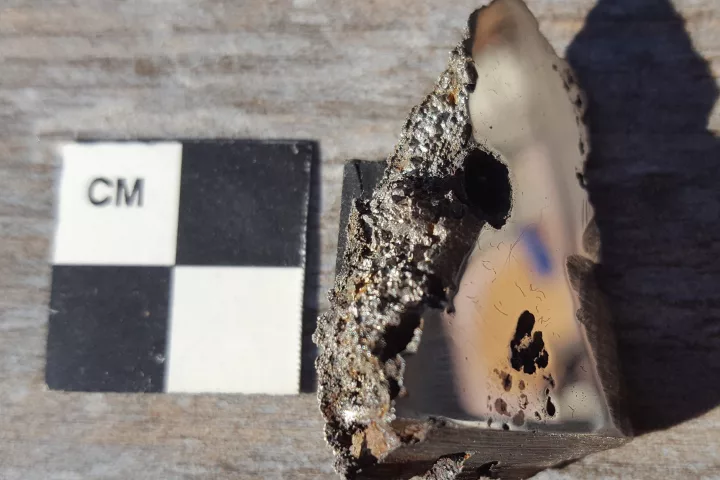 Scientists have discovered at least two new minerals inside one of the largest meteorites ever found. The iron-based minerals have never been spotted in nature, and could hint at unknown geological processes and new material uses.
 -
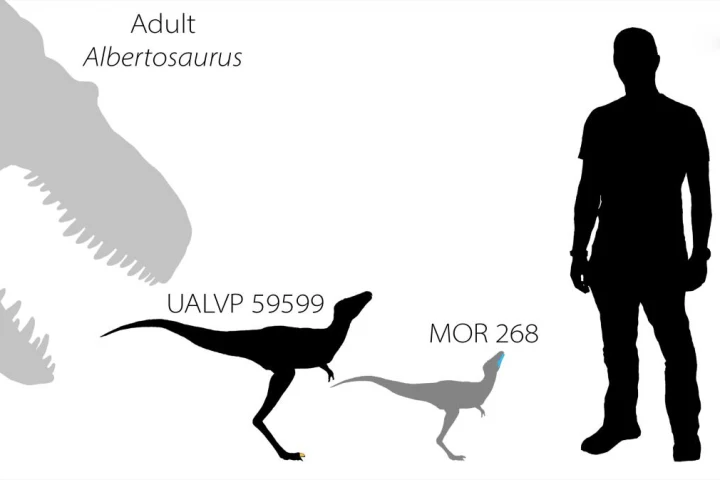 Probably the world's most famous family of dinosaurs, the tyrannosaurs included the 40-ft (12-m) Tyrannosaurus rex within their ranks. Newly studied fossils now suggest that the reptiles were about "the size of a border collie" when first hatching.
 -
 While you might think that dried almonds are one of the "safer" foods, they're actually prone to contamination by harmful bacteria. A simple new process could help keep that from happening, while also boosting their shelf life.
 -
 The mosasaur was likely one of the most ferocious prehistoric marine predators. A previously unknown species of the reptile has now been classified, and it sported a crocodile-like snout that may have allowed it to catch prey that others missed.
 -
 Although cold waters aren't known for their coral reefs, they do contain ecologically important "glass reefs" created by live sponges. Now, scientists have discovered a previously unknown species of sponge living on those reefs, in Canada.
Load More