
Ultrasound
-
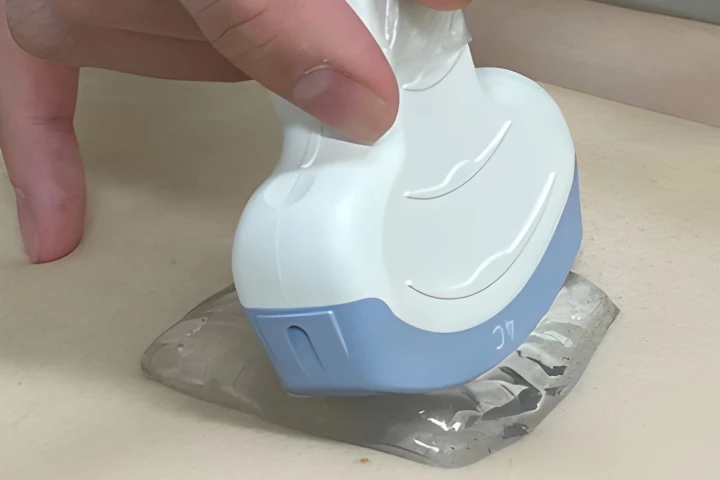 If you've ever had a sonogram you know that, even though the test isn't too hard to endure, the cold glob of gel that goes on your skin before you get "wanded" is pretty unpleasant. Japanese researchers have now come up with an alternative.
 -
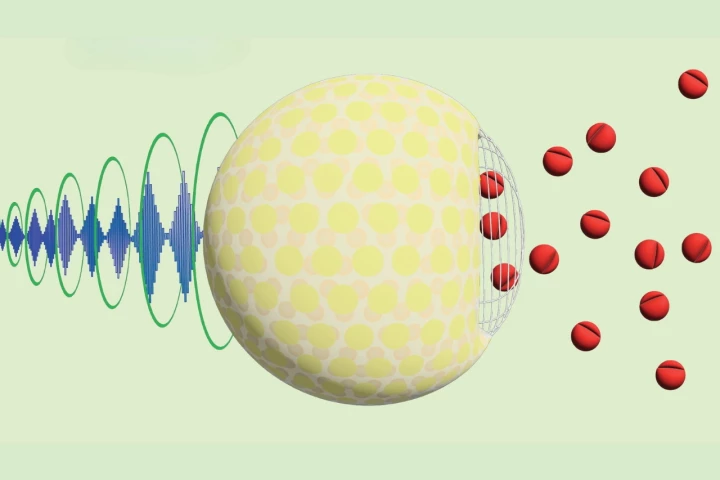 How do you send drugs to specific parts of the body so they do their job and avoid causing side effects elsewhere? According to researchers at Stanford University, the answer is a combination of nanoparticles, a pulse of ultrasound, and sugar.
 -
 Researchers at the University of Buffalo are hoping to make breast cancer screening easier and quicker than ever before, with a detection technique that only requires patients to press up against a window for a minute to get accurate results in 3D.
 -
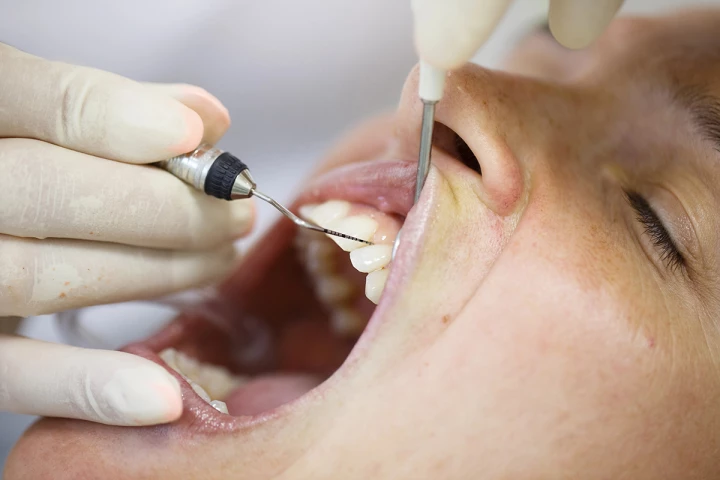 When it comes to dental checkups, no one likes having their gums poked with the periodontal probe. Well, they may soon no longer have to, thanks to a gum-assessing toothbrush-shaped mini ultrasound transducer.
 -
 The treatment of kidney stones could soon be getting much faster, easier, and safer. Scientists have devised a method of non-invasively tearing the objects apart, using what are known as "acoustic vortex beams."
 -
 A new kind of cancer gene therapy can be remotely activated at a specific part of the body. The team developed a version of CRISPR that responds to ultrasound, and demonstrated how it can be used to clear cancer in mice.
 -
 You might not hear it, but rodents are known to speak to each other in voices so high-pitched that human ears can’t pick them up. Now scientists have found that these vocalizations might have a second purpose – they help them smell better.
 -
 It's always best if farmers can detect drought stress before crop plants become wilted, weakened and lower-yielding. An experimental new portable device could help in that regard, as it uses ultrasound to spot such stress in its earliest stages.
 -
 Currently, when doctors wish to continuously monitor a patient's blood pressure, they insert a catheter into one of the individual's arteries. There could soon be a safer alternative, however, and it was inspired by the tuning of guitar strings.
 -
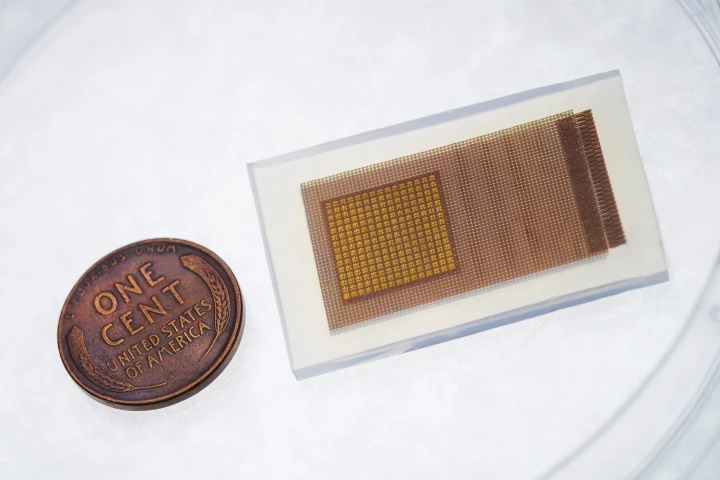 A wearable ultrasound patch could soon be saving lives, by monitoring the blood flow in hospital patients' brains. The device is only about the size of a postage stamp plus it works continuously, unlike traditional methods.
 -
 A simple little sticker could soon be saving the lives of patients recovering from gastrointestinal surgery. The clever device is designed to detect the presence of leaking digestive fluids sooner than otherwise possible.
 -
 Scientists have boosted the motility of slow sperm by blasting the cells with 40-MHz ultrasound waves to induce movement. Capturing the technique's impact on individual sperm cells, the study opens the door to new non-invasive fertility treatments.
Load More