
Tulane University
-
 Coffee is one of the most widely consumed psychoactive substances on the planet, yet despite more than two billion cups being drunk each day, its impact on heart health remains surprisingly complex – and often misunderstood. This year we got answers.
 -
 In a major brain science breakthrough, researchers discovered a nerve signaling mechanism that takes place outside the cell, flipping on a 'pain switch.' This could shed light on a path to safer pain medication without the usual side effects.
 -
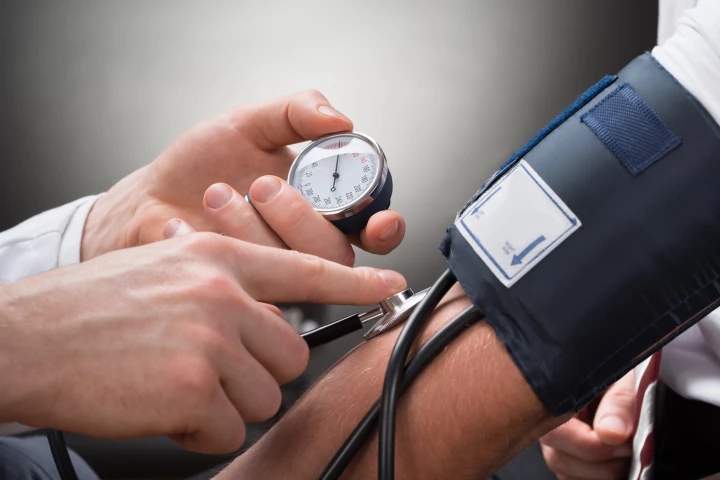 A study examined how managing multiple heart disease risk factors reduced the likelihood of premature death faced by people with high blood pressure. Its findings highlight the need for a broad approach to preventing or treating hypertension.
 -
 From fighting memory decline to warding off some cancers, drinking coffee continues to emerge as a way to improve your health. Now, a new study says that the time of day during which you drink your daily brew is key to boosting some of its effects.
 -
 New research has proved for the first time that RSV infection, common in young children, can penetrate nerve cells and may lead to nerve damage. The findings underscore the possible long-term effects of RSV and the importance of preventive measures.
 -
 The health benefits of a meat-based versus a plant-based diet are often hotly debated. A new study adds another checkmark to the plant-based column though, as it loops in the environmental impacts of choosing paleo or keto diets over veganism.
 -
 For studies on insect-borne diseases, many a human has sacrificed an arm in a tank full of mosquitos. Now, a new artificial skin filled with real blood might spare humans the itchy bites, while providing a greater insight into mosquito behavior.
 -
 A study in Nature Communications using nonhuman primates found SARS-CoV-2 infection, regardless of disease severity, can lead to neuroinflammation and small bleeds which may account for many of the neurological symptoms reported by patients.
 -
 Part of what makes cancer so deadly is its ability to rapidly spread to other parts of the body. Now, researchers at Tulane University have identified a pair of genes that helps triple negative breast cancer spread – and found how to switch them off.
 -
 Fans of a still-surviving megalodon, rejoice – a new species of deep-ocean shark has been identified. At just 5.5 inches long (about 144 mm), however, the American Pocket Shark is a bit smaller than the prehistoric super-predator.
 -
 A newly-discovered strain of bacteria is able to convert the cellulose in newspapers into butanol biofuel.