
The Rockefeller University
-
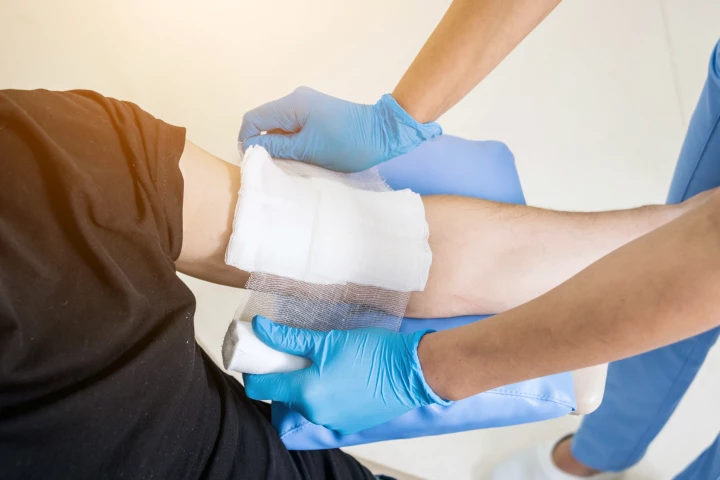 When the skin is injured, a stem cell’s survival instincts kick in. New research reveals that a simple amino acid, serine, helps push stem cells to abandon hair growth in favor of wound healing, opening the door to new therapies for chronic wounds.
 -
 Researchers have developed a quick, cheap, and highly sensitive blood test to detect a telltale protein produced by cancer cells. The test can pick up a range of cancers before symptoms appear and could be key to early diagnosis of the disease.
 -
 Fruit flies differ from us in many ways, including the fact that they can't move their eyes relative to the rest of their head. That's not a problem, however, as new research shows that they move their retinas within their unmoving eyes instead.
 -
 Scientists have studied what makes mosquitoes more attracted to some humans over others, and uncovered strong association between being a so-called mosquito magnet and elevated levels of a fatty acids on the skin.
 -
 An international team of scientists has published the first complete, gap-free sequence of the human genome. The new reference genome adds hundreds of millions of base pairs to earlier drafts, filling in crucial gaps to improve studies of disease.
 -
 Our sense of smell seems to be the least understood. To help shed some light on the system, researchers at Rockefeller University have taken the first cryo-electron microscope images of an olfactory receptor at work in the simple system of an insect.
 -
 A new study has affirmed the link between the presence of brown fat and improved cardiac or metabolic health, validating the relatively new hypothesis that the type of adipose tissue commonly referred to as brown fat confers broad health benefits.
 -
 It’s long been thought that our cells stop dividing as we age as a natural preventative measure against cancer. Now a new study has found intriguing evidence supporting this hypothesis in genomes from several particularly cancer-prone families.
 -
 As researchers rekindle a more than 100-year-old therapy, using blood from recovered COVID-19 subjects as a treatment for newly infected patients, a team in New York is thrusting this old, experimental treatment into the 21st century.
 -
 Depression can be a frustrating illness, as sufferers often have to try numerous types of medication before finding one that works – if any work for them at all, that is. There could be new hope, however, in the form of an existing off-the-shelf product.
 -
 A pair of independent studies from two teams used CRISPR technology to genetically alter ants to remove their ability to "smell," which resulted in their inability to interact with normal ants and produced changes in their brains.
 -
 Ordinarily, when biologists want to know what kinds of fish are migrating through the local waters, they have to do fishnet trawls. According to scientists at Rockefeller University, however, there may be an easier alternative: just look for the animals' DNA in water samples.