
Textile
-
 The tons of discarded mussel shells generated by the seafood industry may be organic, but they're still very slow to biodegrade in landfills. They may soon find new life, however, sandblasting jeans in the textile industry.
 -
 Instead of growing, harvesting, processing, and shipping fabric across the world, why not let non-polluting bacteria grow it and dye it in a single container? Korean scientists are taking the first steps towards doing that very thing.
 -
 What we think of as polyester fabric is most often actually a blend of polyester and cotton, which has proven very difficult to recycle. A new solvent, however, breaks the blend down into its two components, leaving both almost completely reusable.
 -
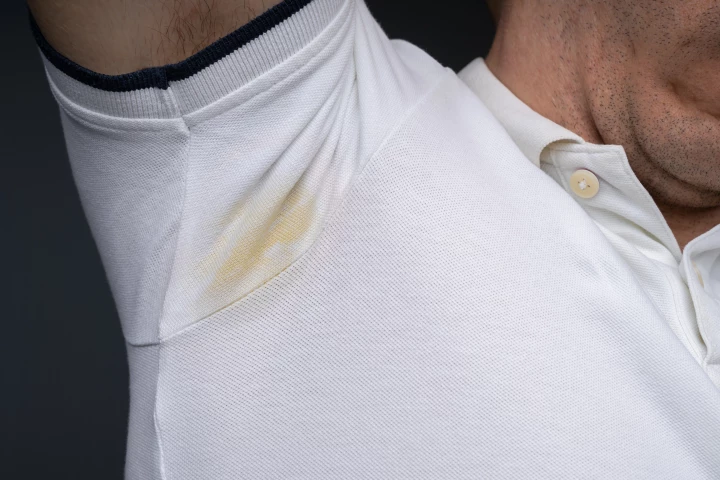 Not to sound like a TV commercial or anything, but … how often have you had to throw out white shirts because of unsightly yellow underarm stains? Well, those stains may not be a problem any longer, thanks to a simple blue light treatment.
 -
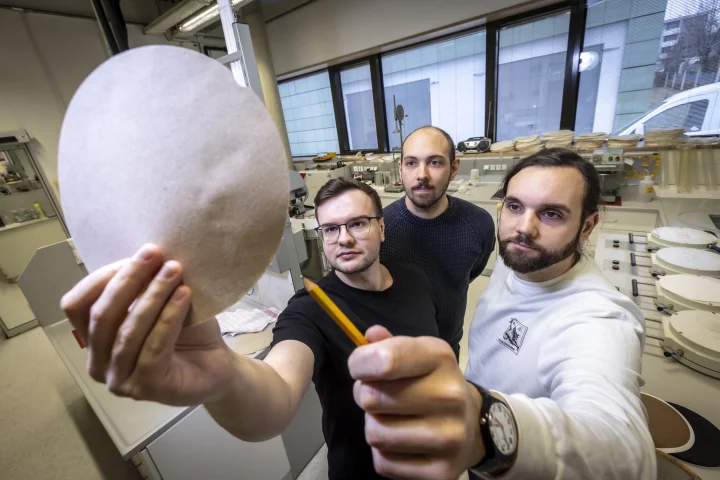 While it's great that many types of paper can now be recycled, textile waste is still mostly dumped or burned. A new technique could change that by combining the two materials, using discarded cotton clothing to boost the strength of packaging paper.
 -
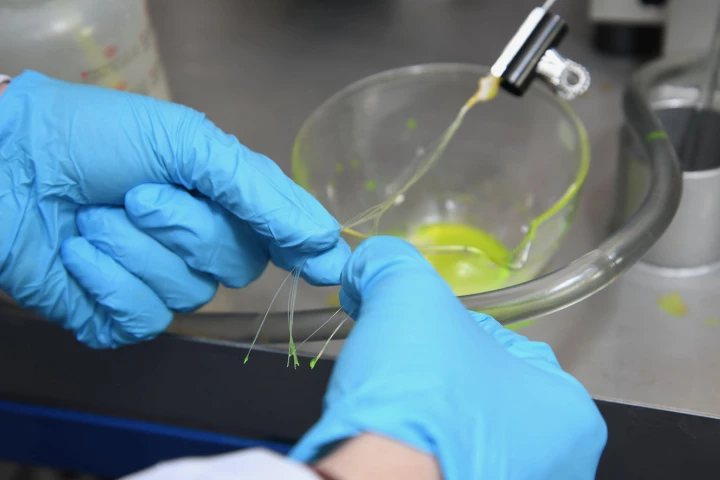 Swiss scientists have developed textile fibers that can be loaded up with just about any drug, then used to dispense that medication right where it's needed in the body. The fibers could be utilized in sutures or bandages, or implanted on their own.
 -
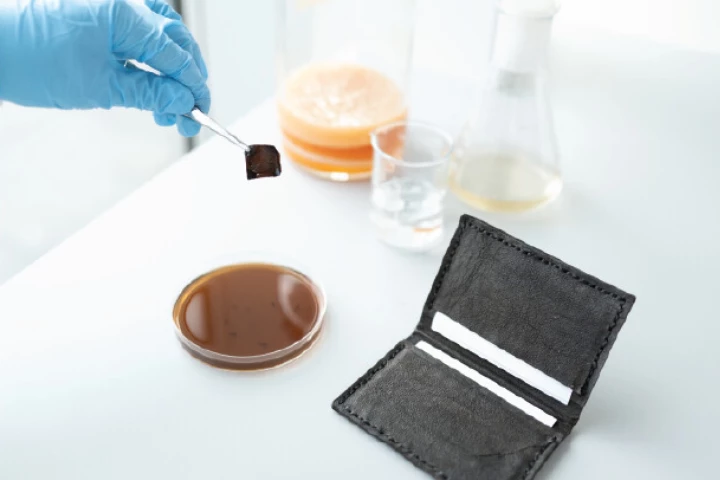 Bacteria-produced leather is already an eco-friendly alternative to its cow-derived counterpart, but it could soon be even eco-friendlier. Scientists have gotten the microbes to color the stuff themselves, eliminating the need for toxic dyes.
 -
 So-called "bonded leather" is really just leather fibers mixed with eco-unfriendly polyurethane or PVC. reProLeather, on the other hand, converts leather waste into what is claimed to be a recyclable, biodegradable, new-leather-like material.
 -
 Researchers have developed a way of recycling polyester. Their new method is simple, non-toxic for humans and the environment and, what’s more, it preserves the integrity of the cotton removed from the fabric so that it’s ready for reuse.
 -
 Scientists have announced an interesting new means of removing carbon dioxide (CO2) from flue gas emissions, which would create a usable substance. It's a sheet of treated cotton, which converts CO2 gas into bicarbonate.
 -
 While we may think of blue jeans as kind of earthy, basic clothing, the process by which they're dyed is definitely not eco-friendly. That may soon no longer be the case, however, thanks to the development of a new coloration technique.
 -
 Imagine if your tablecloth could alert you to the whereabouts of misplaced items, or track your diet? Those things and more may soon be possible, thanks to a new "smart" fabric being developed at New Hampshire's Dartmouth College.
Load More