
Technical University Munich
-
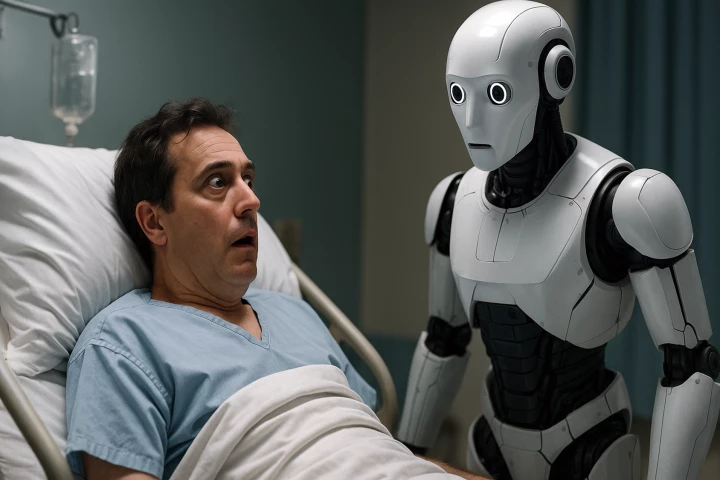 Patients worldwide are cautiously optimistic about the use of AI in healthcare. Most support it as a helpful assistant, but few trust it to replace doctors, according to a new study that reveals trust, concerns, and the need for explainable AI.
 -
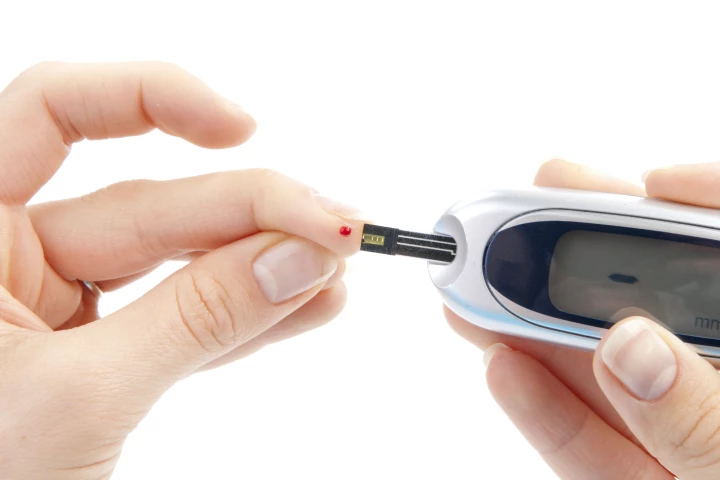 Researchers have combined high-resolution images of blood vessels under the skin of diabetics and an AI algorithm to formulate a ‘score’ that can determine disease severity. The technique could be used to monitor the effectiveness of treatment.
 -
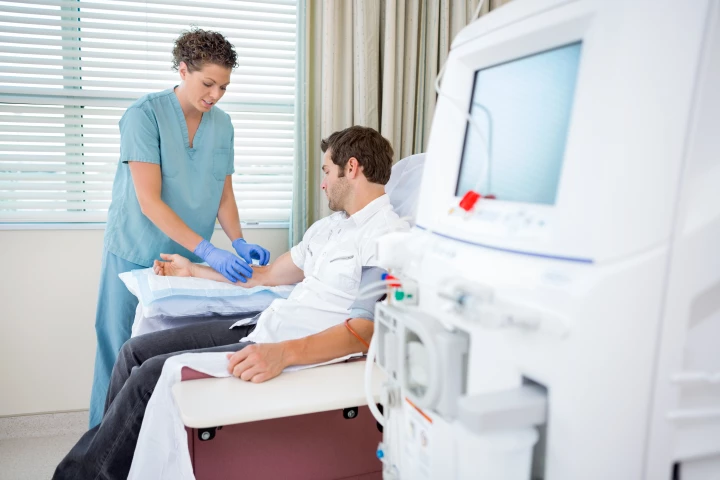 Nearly 560,000 Americans undergo dialysis each year, and while treatment can vastly improve quality of life, it can also contribute to worsening it. Now, a study has made the case for exercise programs to become part of the life-saving renal treatment.
 -
 During long-term battles with cancer or infection, immune cells can become exhausted. Now, researchers have identified a specific molecule that helps certain T cells refresh themselves, which could unlock more effective immunotherapy.
 -
 Researchers at the Technical University of Munich (TUM) have developed the world’s first electric nanomotors made of DNA. The self-assembling structures can be activated by an electric charge to spin a ratcheting rotor arm.
 -
 Powering medical implants can be tricky, but tapping into the body’s own fuel source could keep them going long-term. A new design for a tiny fuel cell converts glucose into electricity to power implants more efficiently than any other so far.
 -
 New research has used an in-ear sensor to monitor COVID-19 patients at home, transmitting vital signs in real-time to doctors who evaluated the need for hospital treatment, often admitting the patients before they even noticed their condition decline.
 -
 Researchers in Germany have developed a new method to treat viral infections by making traps. The team folded DNA into nano-capsules with specialized binding points inside them, which could grab hold of viruses and render them inert.
 -
 A technique is allowing researchers to measure endogenous lithium concentrations in the human brain for the very first time. Researchers found natural lithium levels in white matter were lower in suicidal subjects than healthy controls.
 -
 However useful a drug may be, it’s a problem if it has adverse effects on healthy cells. Now researchers have shown a way to keep drugs on target, by wrapping them in a transport that can only be unlocked by a certain RNA sequence unique to cancer.
 -
 Scientists in Germany have succeeded in developing the smallest ultrasound detector ever created, which is tinier than a blood cell and opens up new possibilities in what is known as super-resolution imaging.
 -
 Although no one likes getting blood samples drawn or having their skin pricked, these are the most common methods of testing for allergies. Thanks to a new study, however, such uncomfortable pokes could soon be replaced with painless nasal swabs.
Load More