
Taste
-
 It's a well-known fact that if you're trying to cool your mouth after eating spicy food, you should drink milk, not water. Bearing that fact in mind, scientists have developed an "artificial tongue" that measures food spiciness using a milk protein.
 -
 The world’s priciest coffee comes from civet droppings. New research confirms these “poo coffee” beans are chemically distinct – but does that make them taste better, or just pricier?
 -
 Bitter taste receptors inside cancer cells have been found to be activated in the presence of anti-cancer drugs. Shutting these receptors down could make the cells more susceptible to drug treatment and help us fight the disease more effectively.
 -
 For the first time, scientists have found that smell and taste are inseparable much earlier in the brain than we'd thought. Odors can actually be coded as tastes in the primary taste cortex, overturning decades of assumptions as to how flavor is built.
 -
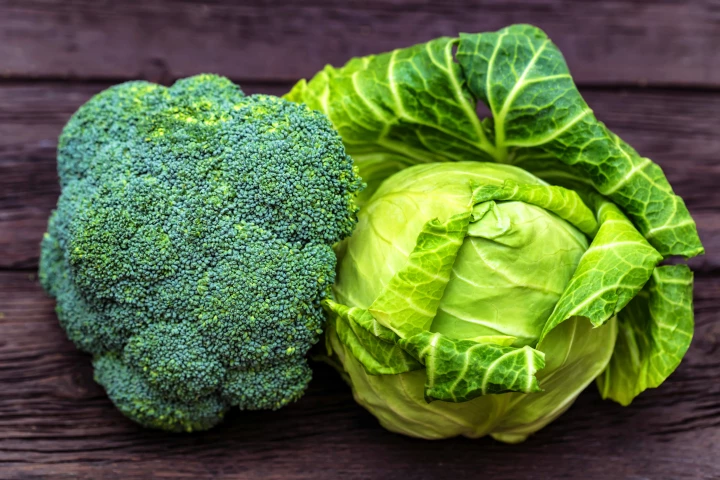 If you have an aversion to the bitterness of foods like cabbage or broccoli, you might be a "super-taster," carrying a specific genetic code that dials up taste sensitivity. It may also put you at higher risk of kidney disease and bipolar disorder.
 -
 Machine-learning models predicted what would make beer taste better. Trained taste testers who drank the AI-altered beverages were greatly impressed. Now, scientists behind this taste-perfecting method have their sights set on much more than beer.
 -
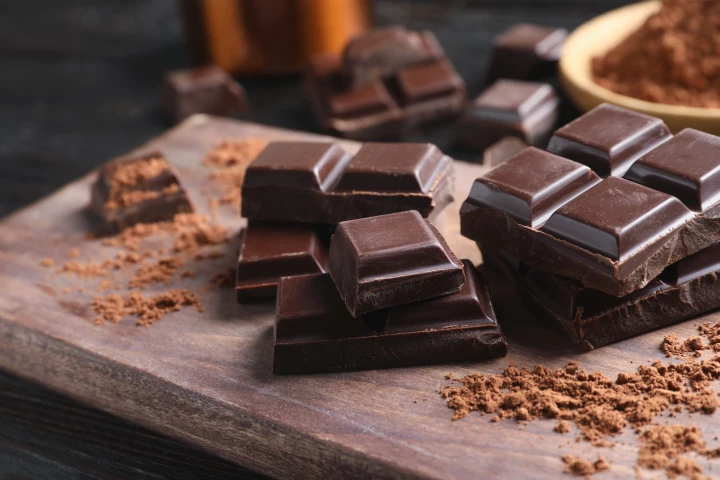 While chocolate will likely never be an overall healthy food, it would be good if there could at least be a lower-sugar version of it that people liked just as much as the real thing. Well, it turns out that oat flour could help make that happen.
 -
 If you overindulge in sugary treats, the good news is that your sweet tooth will be silenced. The bad news, though, is that this triggers a hormonal call out for fatty foods. And even worse news, too much fat will then switch sugar cravings back on.
 -
 Researchers have uncovered the mechanism by which our taste buds detect ammonium chloride, exemplified by the distinct taste of salty licorice. They say the discovery provides evidence for the existence of a sixth basic taste.
 -
 Researchers have discovered that a chemical in the brain makes alcohol taste bitter to women. It may explain the difference in drinking habits between the sexes and pave the way for novel treatments to help women curb excessive alcohol use.
 -
 Humans have bitter taste receptors not only in their mouths but in their lungs, too. Researchers have exploited these receptors’ innate ability to dilate the airways to create a potent new drug that may change how we treat diseases like asthma and COPD.
 -
 When it comes to different types of milk containers, you may think that the only reasons to choose one over the other would be factors like convenience. New research, however, suggests that container material type can actually affect milk's flavor.
Load More