
Stockholm University
-
 About 10,000 years ago, a group of hunter-gatherers were hanging out in what is now south-western Sweden chewing pieces of birch tar. New analysis of that substance reveals that they may have had very modern dental issues.
 -
 Scientists have successfully extracted RNA from an extinct species for the first time. This was achieved in the thylacine, a species of carnivorous marsupial that roamed Australia until a century ago – and may again one day, if current plans bear fruit.
 -
 In recent years, pomegranate-derived compounds have been shown to slow cellular aging, protect unborn babies' brains, and serve as additives in better automotive materials. Now, they've also been used to remove pharmaceuticals from wastewater.
 -
 Toxoplasma gondii is a common parasite in humans, but exactly how it’s so good at spreading has been murky. Now scientists at Stockholm University have uncovered a sneaky Trojan horse technique that allows it to avoid the immune system.
 -
 A striking new article argues the global spread of certain hazardous chemicals is so pervasive that unsafe levels of PFAS chemicals can be found in rainwater all over the world, including remote areas such as Antarctica and the Tibetan Plateau.
 -
 Two exceptionally well-preserved cave lion cubs have been found in the Siberian permafrost. Tens of thousands of years old, the cubs are among the most complete Ice Age specimens known, allowing close examination to determine how they lived and died.
 -
 Scientists have been left dumbfounded after wolf puppies raised in their care exhibited a totally unexpected ability to retrieve a ball much like a domesticated dog, shedding light on how the early stages of dog domestication may have played out.
 -
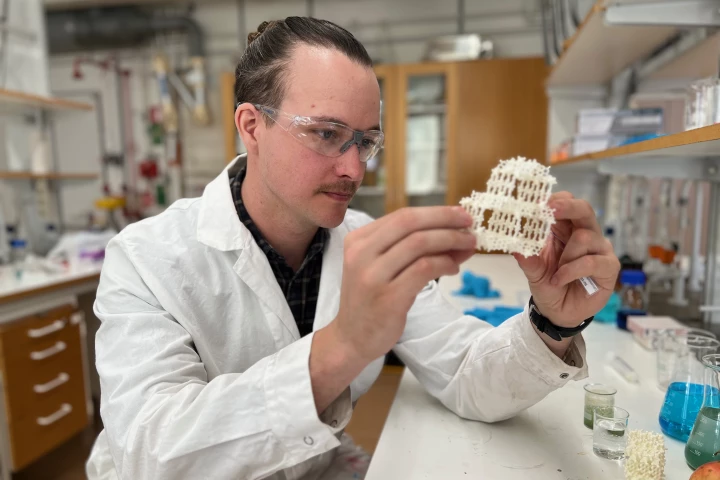
 In order to reduce greenhouse gas emissions and harvest useful byproducts, scientists are increasingly investigating methods of capturing the CO2 emitted by smokestacks. A new material may make doing so easier and more efficient than ever before.
 -
 Rather than trying to see dark matter, a new experimental design from Stockholm University listens for it instead, using an “axion radio.”
 -
 An estimated 429,000 people die from malaria annually. And while it's tempting to spray heavily for the mosquitoes that spread the disease, conventional insecticides are also toxic to humans and other animals. Now, however, a neurotoxin has been discovered that only kills the offending mosquitoes.
 -
 Deposits of arsenic naturally occurring in the ground and bedrock can contaminate water as a result of mining operations. But now researchers in Sweden have identified a moss that can quickly remove the harmful substance and make the water safe to drink.
 -
 Water is way weirder than you might think. We all know it can exist as a solid, liquid and gas, but now, researchers have found that water actually has two different liquid forms, and its weirdness may come from the relationship between those forms.