
Smartphone diagnostics
-
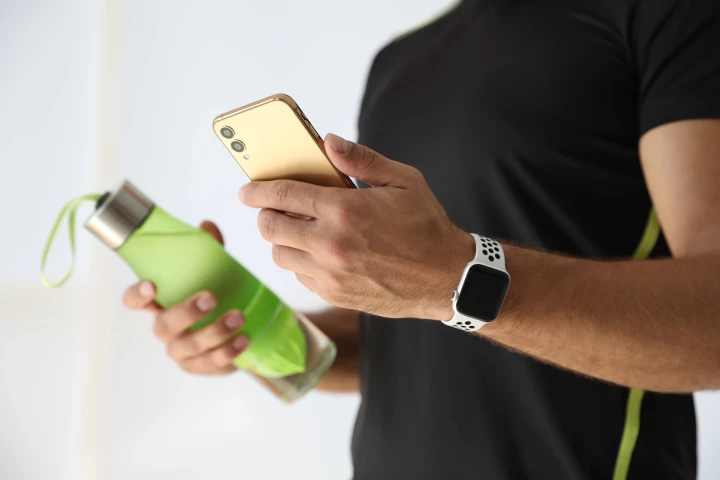 If you want to avoid becoming dangerously dehydrated, you have to drink before you start feeling thirsty. So, how do you know when to do so? According to a new study, a simple tap of your smartphone screen may soon provide the answer.
 -
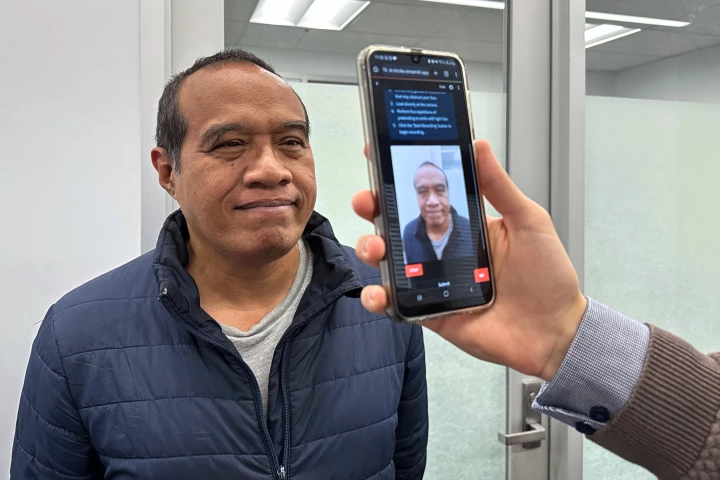 If someone has suffered a stroke, the sooner they get the appropriate medical attention, the better. A new smartphone tool may help ensure that happens, by allowing first responders to determine if a patient has indeed experienced a stroke.
 -
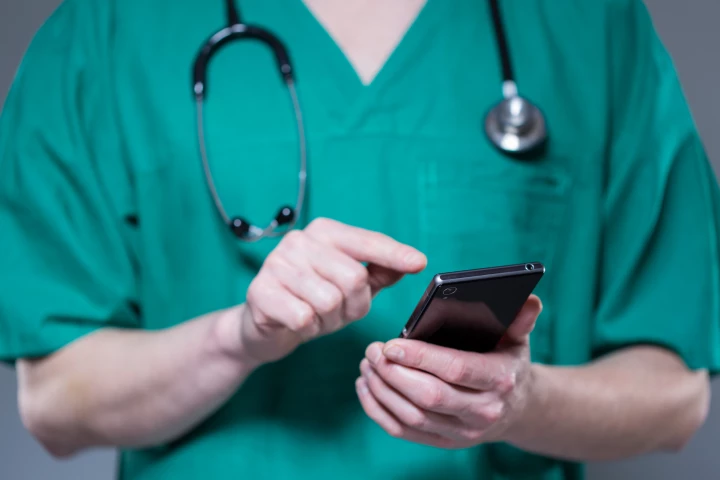 Detecting the first stages of heart failure could soon be as simple as placing a smartphone on a patient's chest. That's the conclusion of an ongoing study, which is aimed at developing an app for diagnosing the potentially lethal condition as early as possible.
 -
 Currently, if someone wants to see if they have type 2 diabetes, they have to travel to a clinic for blood tests. According to a recent study, however, a 10-second smartphone voice recording may soon deliver on-the-spot results immediately.
 -
 When Captain Kirk stepped out with a tricorder in hand in Star Trek in 1966, the data sensing, scanning and analyzing gadget seemed a rather useful but far-in-the-future piece of technology. With the Swift Ray 1, we're a step closer to its reality.
 -
 While it's very important for some people to monitor their blood pressure, individuals living in impoverished regions may not have access to an arm-cuff-equipped clinic. A simple new device could help, as it works with the patient's own smartphone.
 -
 Your smartphone likely vibrates multiple times a day with various notifications but in the future there may be a new kind of message coming from your smartphone, a message from an app predicting your risk of death over the coming years.
 -
 A new study has demonstrated that an app designed to turn a smartphone into an electronic stethoscope can capture reliable, quality recordings of user heartbeats across the population, which could be used to remotely monitor heart conditions.
 -
 Pharma giant Pfizer has shelled out nearly US$120 million to acquire a small Australian company claiming to have developed a smartphone app that can accurately diagnose COVID-19 by analyzing the sound of a cough.
 -
 Respiratory ailments may hamper the body's ability to draw oxygen from the lungs, which is why patients' blood oxygen levels often need to be checked. New research now suggests that people could track those levels at home, using their smartphone.
 -
 A prototype smartphone app has been developed to screen for the very earliest stages of Alzheimer’s disease. The app tracks minute changes in a person’s pupil size, which previous research has shown can indicate pre-clinical neurological disease.
 -
 A new smartphone app called MyGeneRank has been developed by scientists at the Scripps Research Institute. The app calculates a person’s genetic risk for coronary artery disease and directs those found to be at high risk to appropriate medical advice.
Load More