
Skin Cancer
-
 For the first time, scientists have demonstrated how tanning beds cause fundamental DNA damage across almost the skin's entire surface that results in a threefold risk of developing melanoma. It puts beyond doubt the dangers of using these devices.
 -
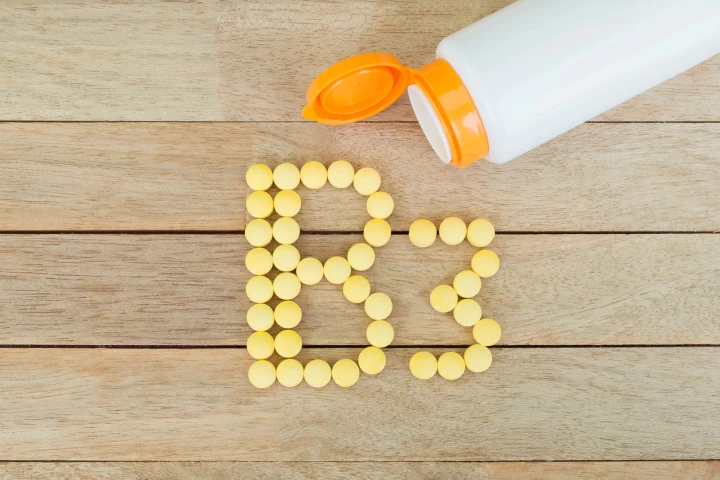 An inexpensive, over-the-counter form of vitamin B3 cut new skin cancers by an average of 14% in a study of more than 33,000 people. Among those who began taking a daily dose after a first diagnosis, the risk of a repeat skin cancer fell by up to 54%.
 -
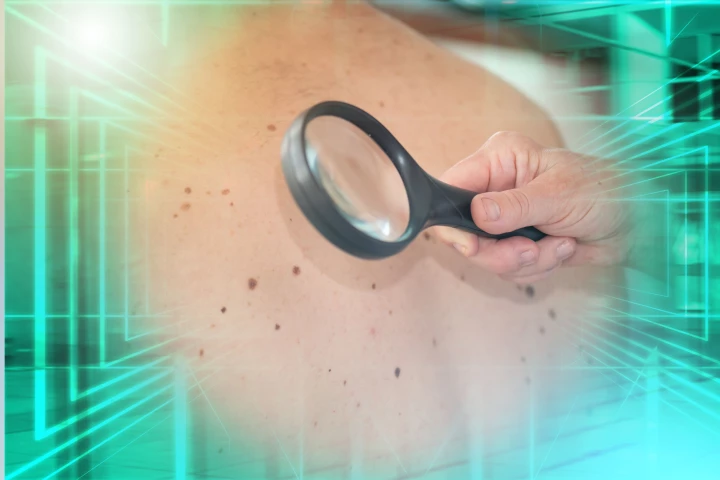 For years, we've known UV rays were the main villain behind a common skin cancer. But now, researchers at the NIH have uncovered a shocking twist: the virus Beta-HPV can be the mastermind, directly causing cancer when the immune cells malfunction.
 -
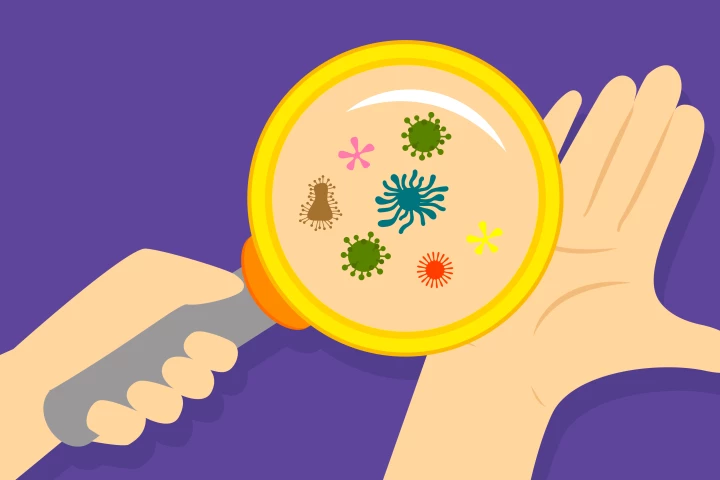 A study has described how certain bacteria living on our skin can act as microbial sunscreen, protecting us from harmful UV rays. These microbes neutralize UV-induced immune changes, offering a natural defense against the damaging effects of sunlight.
 -
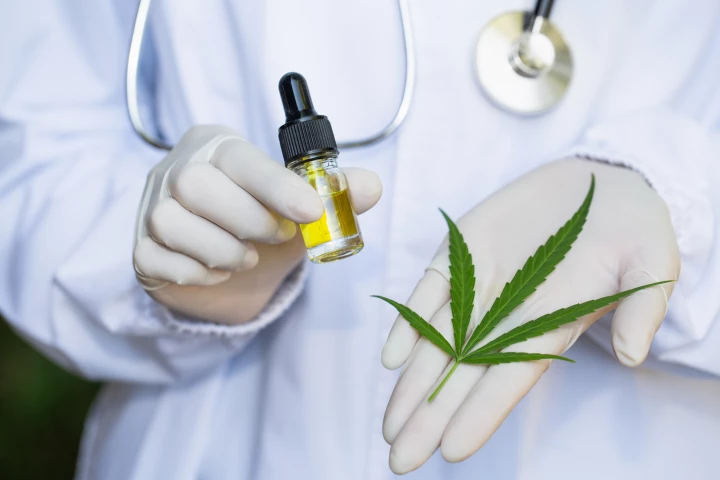 A study has found that a cannabis extract can inhibit the growth of melanoma cells and trigger cell death. The next step is pre-clinical trials to investigate whether the extract can be used to treat other types of cancers.
 -
 The FDA has granted clearance to the first AI-powered medical device to assist physicians in detecting all 3 common skin cancers. Providing a more accurate way of identifying skin cancer will enable patients to access necessary treatment more quickly.
 -
 Moderna has announced results of a Phase 2b trial of its mRNA treatment for skin cancer. When paired with immunotherapy, the treatment significantly reduced risks of recurrence, metastasis and death, paving the way for trials against other cancers.
 -
 New research has, for the first time, discovered hemoglobin in the uppermost layer of human skin, and found that it helps protect against damage. The findings provide important insights into skin diseases such as aging and cancer.
 -
 Researchers have created a cream containing a souped-up, synthetic version of the free-radical-removing melanin we produce naturally to protect skin from sun damage and accelerate the healing of sunburn and chemical burns.
 -
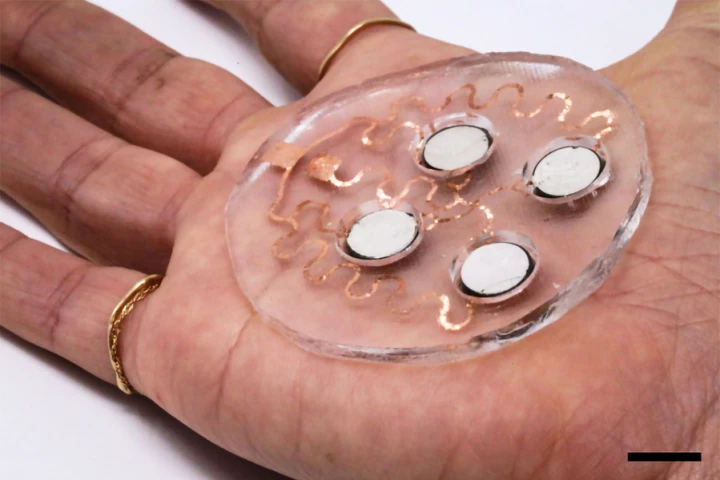 MIT scientists have developed a new wearable patch that can deliver drugs through the skin more efficiently and painlessly. The device uses pulses of ultrasound to pry open the skin, which could improve topical medications or even tattoos.
 -
 A combination of immunotherapy and chemotherapy has shown promise against stage IV melanoma in a new clinical trial. The chemo drug targets a type of cell that suppresses the immune response, and together the two showed an increased response rate.
 -
 The first results from a trial testing mRNA technology against cancer reveal 44% of patients fared better than those on conventional treatments. The announcement from Moderna reveals Phase 3 trials for its mRNA skin cancer vaccine will commence next year.
Load More