
Russia
-
 Archaeologists have discovered the submerged ruins of a medieval Silk Road city beneath Lake Issyk-Kul in northeastern Kyrgyzstan. Buildings, artifacts, and a necropolis have been found deep under the waters of the lake.
 -
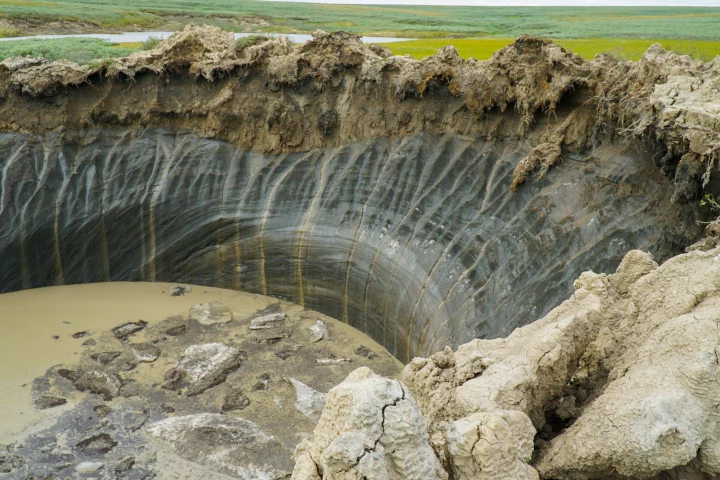 On the remote Yamal and Gydan peninsulas of western Siberia, the landscape is marked by massive craters that look as though the Earth has blown holes in itself. Now, 12 years after the first one was found, scientists say they know what's causing them.
 -
 In what may not come as much of a shock, the Doomsday Clock has inched closer to midnight and is now just 89 seconds from 12. It's the closest the hands have ever been to the symbolic 'end of times' number on the clock face in its 80 years.
 -
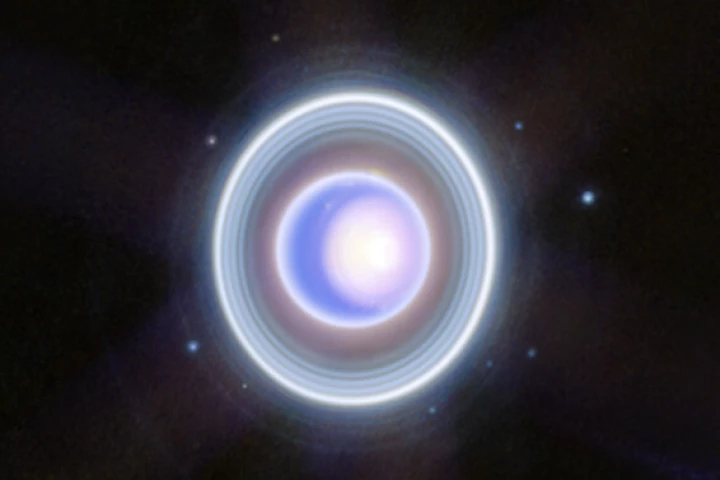 Scientists have discovered the potential existence of a bizarre new molecule related to water. Dubbed “aquodiium,” this ion could form under extreme conditions and may explain some of the weirdness of our solar system’s ice giant planets.
 -
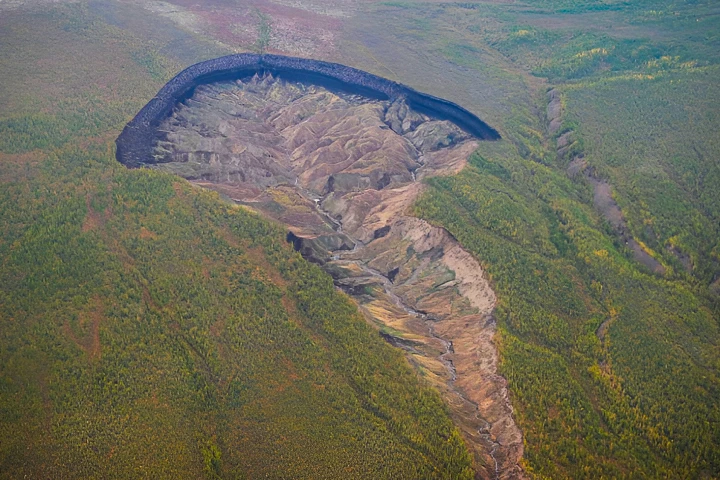 Whether a John Carpenter fan or not, you shouldn't need much convincing to see that the thawing of subterranean permafrost at the poles is not really a good thing. Siberia's biggest sinkhole is now devouring the landscape around it at an alarming rate.
 -
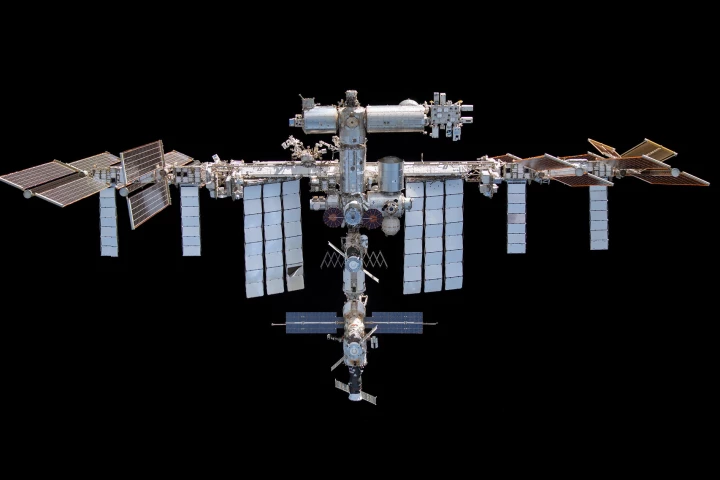 NASA has announced that Russia will remain a participant aboard the International Space Station (ISS) until 2028, ensuring the station's safe operation until it is finally vacated by all 15 international partners in 2030 before its deorbiting.
 -
 Two exceptionally well-preserved cave lion cubs have been found in the Siberian permafrost. Tens of thousands of years old, the cubs are among the most complete Ice Age specimens known, allowing close examination to determine how they lived and died.
 -
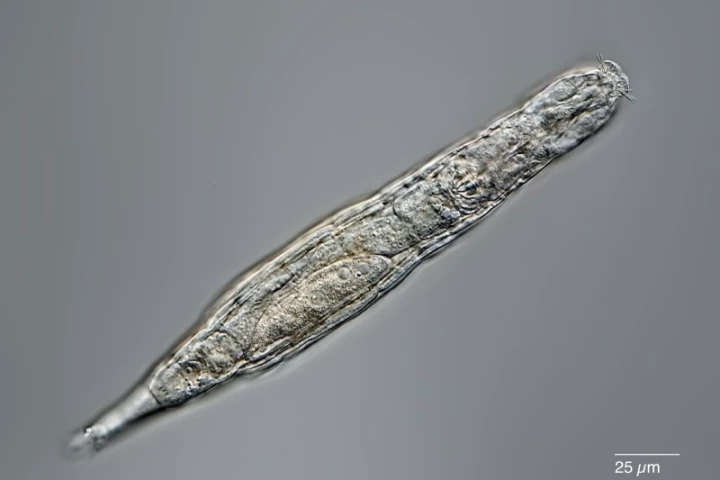 Scientists have revived microscopic animals that had been frozen in the Siberian permafrost for 24,000 years. The Bdelloid rotifers, or “wheel animals,” went right back to moving, eating and reproducing like the Ice Age was only yesterday.
 -
 In 1959 a group of Russian hikers died under mysterious circumstances – and their story, now known as the Dyatlov Pass incident, has intrigued the world ever since. A new study, backed up by simulations, suggests a snow slab avalanche is responsible.
 -
 New observations from a weather station in Siberia illustrate the warming trend taking hold in the Arctic Circle, with scientists logging an extreme temperature of 38 °C (100.4 °F), thought to be a new record for the region.
 -
 There are billions of tiny particles called neutrinos streaming through your body right now. But where did they come from? Researchers have now traced back some ultra-high energy neutrinos to their points of origin – radio flares from raging quasars.
 -
 Researchers from the Skolkovo Institute of Science and Technology (Skoltech) and Heriot-Watt University in Edinburgh are looking at a method of extracting methane from Arctic permafrost, in a way that reduces carbon dioxide emissions.
Load More