
RMIT
-
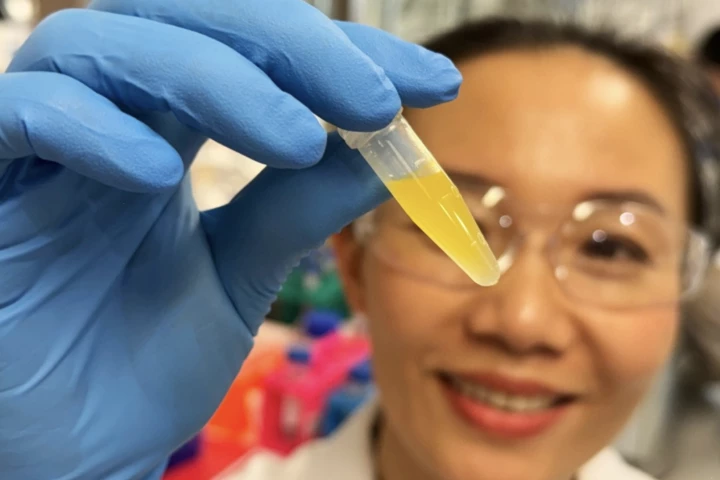 Scientists have developed a new eyedrop that can ferry protective compounds all the way to the retina, paving the way for a less-invasive – and injection-free – method of managing sight-stealing diseases such as age-related macular degeneration.
 -
 RMIT researchers claim FiberX can add up to 20% more healthy dietary fiber to food, without any detectable change to its color, texture or taste. Best of all, the team says it can be made from starches that would otherwise be agricultural waste.
 -
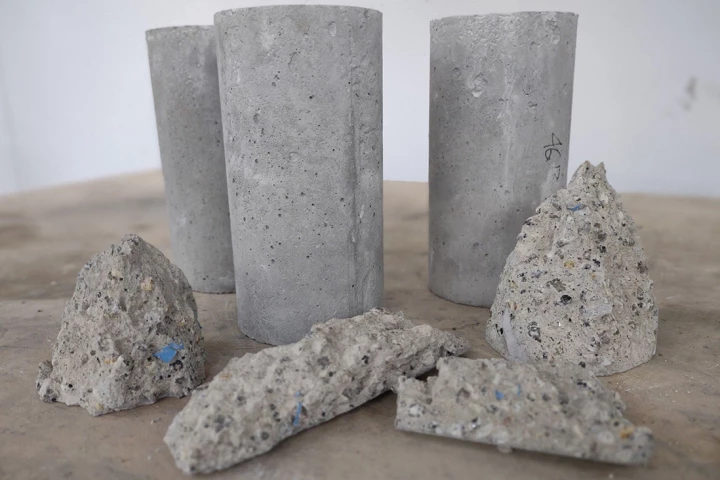 RMIT scientists are looking to help tackle the mounting waste generated by the ongoing pandemic, by demonstrating a form of concrete that incorporates shredded personal protective equipment (PPE) for improved performance.
 -
 Getting an organ from donor to recipient is a race against time, with many going to waste. Now, researchers in Australia have identified new cryoprotectants that could preserve organs and tissues for much longer without damaging them.
 -
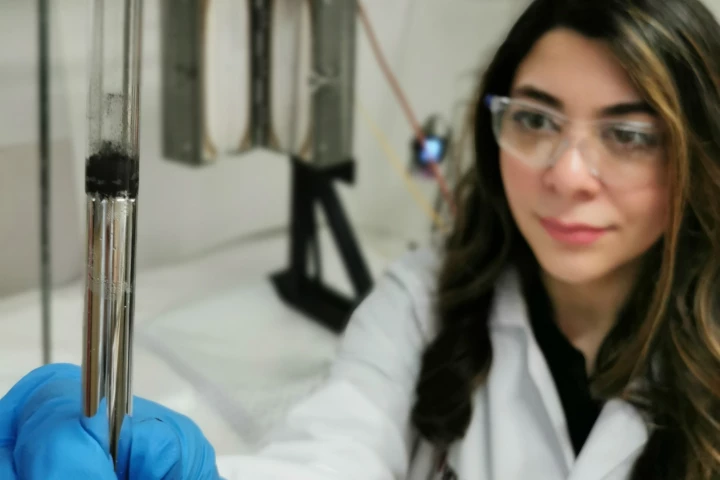 A new method quickly converts carbon dioxide into solid carbon, which can be stored indefinitely or turned into useful materials. The technology works by bubbling CO2 up through a tube of liquid metal, and could be used at the source of emissions.
 -
 Scientists in Australia have adapted AI technology for the early detection of prostate cancer, with their software analyzing CT scans and outperforming trained radiologists to detect cancerous growths in seconds.
 -
 New weapons against so-called “superbugs” are desperately needed. A new black phosphorus coating quickly kills bacteria and fungi, then dissolves within 24 hours – and best of all, bacteria can’t evolve resistance against this mode of attack.
 -
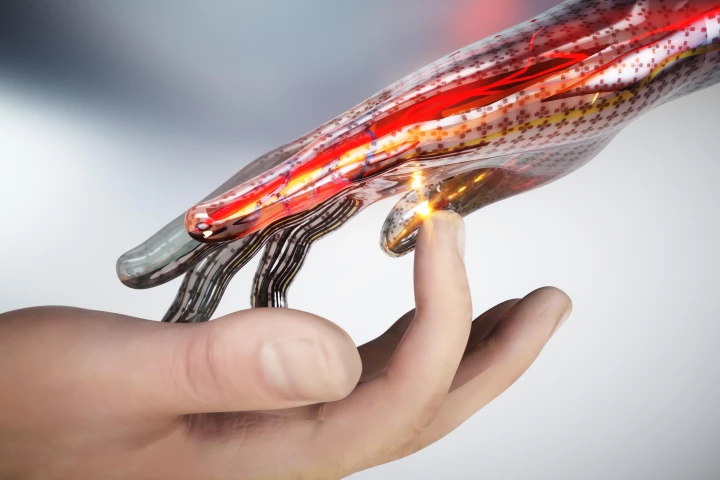 Researchers in Australia have succeeded in developing an artificial skin that responds to painful stimuli, heat and pressure like real skin does, which they see as an important step towards intelligent machines and prosthetics.
 -
 One of humanity’s biggest threats is also the smallest – bacteria. But now, researchers at RMIT in Australia have found a new method for killing these superbugs that they can’t resist – magnetic nanoparticles that physically tear them to shreds.
 -
 Capturing carbon from the air and sequestering it is emerging as a viable strategy, and now scientists have developed a new method to turn CO2 gas back into solid coal, that can then be buried, or even used for electronic components.
 -
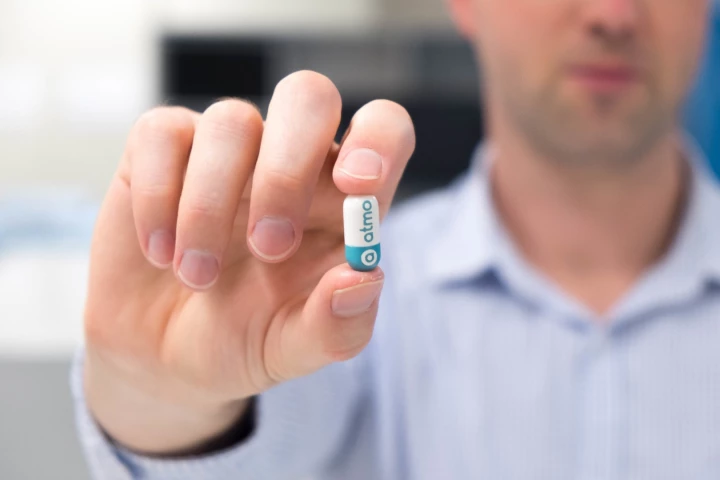 After years of development researchers at RMIT are one step closer to bringing their revolutionary gas measuring capsule to market following a new agreement with health tech company Atmo Biosciences that paves the way for technology enhancements and final human trials.
 -
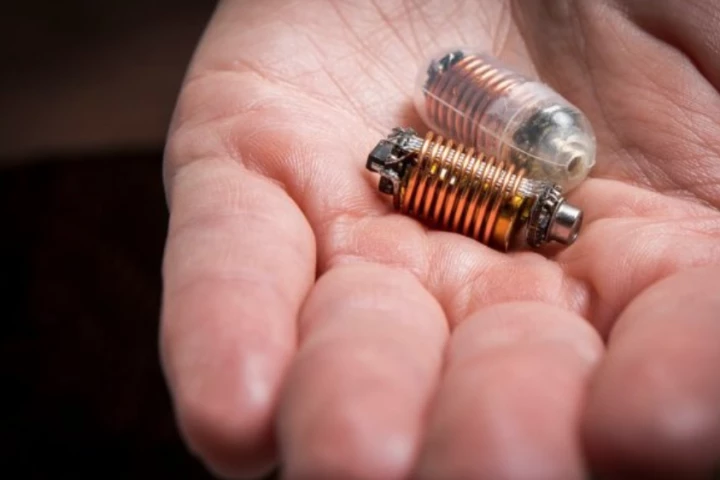 Bit by bit, scientists are shining the light on the relationship between gut bacteria overall health. A new pill could prove a useful tool in learning more about the mechanics at play, hiding sensors inside that can take important gas measurements and send its findings to a smartphone.
Load More