
Research
-
 See how scientists can now watch DNA repair in real time. A new glowing sensor developed at Utrecht University reveals how cells fix double strand breaks live.
 -
 A 2018 study found patients suffering from cancer-related fatigue got improvements in their symptoms after knowingly being given a placebo. The research is part of a body of work suggesting "honest" placebos could play a role in clinical treatments.
 -
 In one of the most amusing citizen science projects we've ever seen, Australia's top research agency is asking its citizens to hit the gas and flag their flatulence in hilarious detail over three days, tracking toots on the Chart Your Fart app. Superb.
 -
 From 350,757 coin flips to prove probability to the swimming skills of dead trout, the 2024 Ig Nobel Prize winners have been recognized for their absurd work scientific research. And they all walked away with a coveted $100-trillion Zimbabwean banknote.
 -
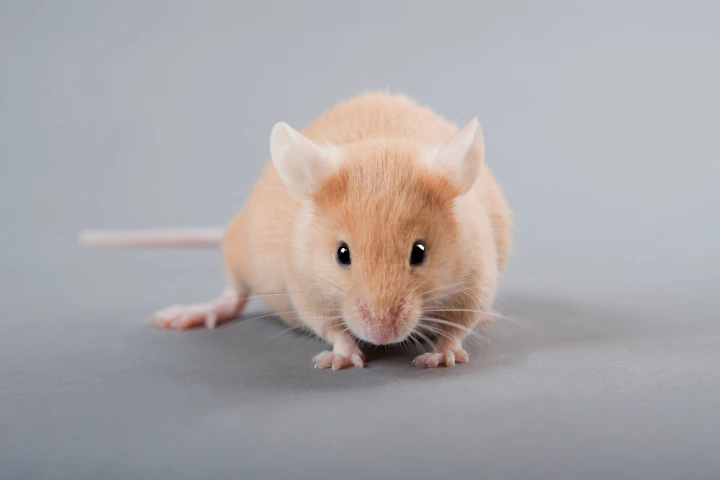 For the first time, scientists have successfully created a mouse with a 100% functional human immune system and microbiome. This 'humanized' mouse takes the guesswork out of research and may revolutionize how we test new drugs and understand diseases.
 -
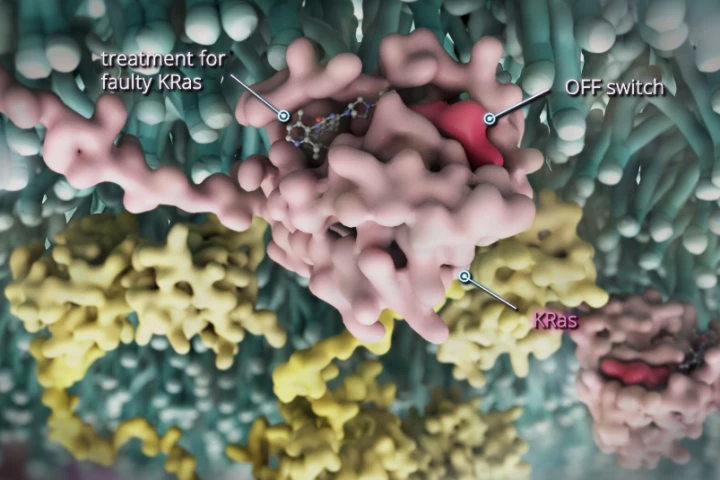 In what has already been tagged as a “game-changer” for cancer treatment, the potent once-a-day tablet known as divarasib has continued to impress at Phase 1b trial stage, outperforming not just current therapies but its previous trial results.
 -
 With spines like a hedgehog, feet like a mole and snout like an anteater, this bizarre animal is hard to miss. Yet it has been missing, presumed extinct since 1961 – that was until it had the audacity to saunter past a well-placed research camera.
 -
 With more than 1,000 bacterial species, the gut microbiome is an untapped resource of disease-fighting power. Now, scientists have found a way to rank crucial members of this 'microscopic multicultural community', which has massive medical potential.
 -
 From the first published data out of large clinical trials testing MDMA and psilocybin, to some incredible work investigating what psychedelics actually do to a mammalian brain, here are the highlights from a truly landmark year in psychedelic science.
 -
 The US National Institutes of Health is investing $470 million dollars into research on long COVID. The massive nationwide study into this often-debilitating condition will include tens of thousands of patients and span more than 30 research institutions.
 -
 Do beards to protect our faces from punches? Does corruption in a given country correlate with how obese its politicians are? And why are scientists hanging rhinos off helicopters upside-down? These are a few of this year's Ig Nobel Prize winners.
 -
 A new study in the journal Science Advances presents the latest research demonstrating the potential effectiveness of an inhalable COVID-19 vaccine. The vaccine is one of several in development designed to be administered through a nasal spray.
Load More