
Recycling
-
 The tons of discarded mussel shells generated by the seafood industry may be organic, but they're still very slow to biodegrade in landfills. They may soon find new life, however, sandblasting jeans in the textile industry.
 -
 What we think of as polyester fabric is most often actually a blend of polyester and cotton, which has proven very difficult to recycle. A new solvent, however, breaks the blend down into its two components, leaving both almost completely reusable.
 -
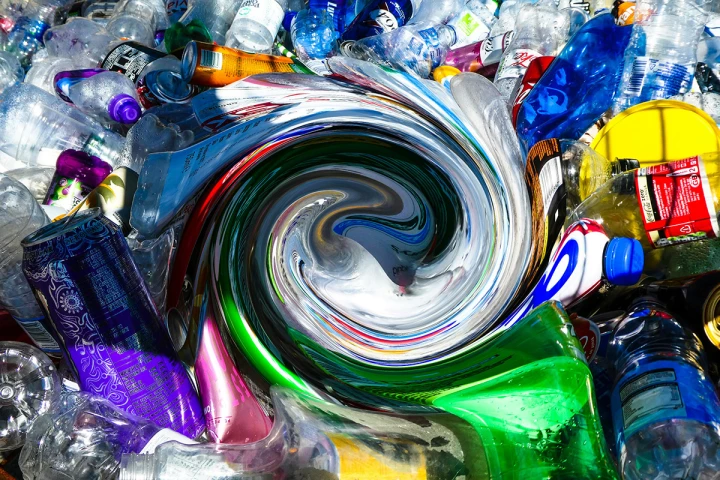 An inexpensive catalyst that selectively breaks down the most common single-use plastics in recycling processes negates the need for tedious and expensive sorting. This could give recycling the nudge it need to keep pace with plastic production.
 -
 Ever wonder what happens to those old Teflon-coated frying pans? Not a lot. Most get chucked into landfills. However, a new recycling technique developed by Japan's National Institutes for Quantum Science and Technology (QST) promises 100% effectiveness.
 -
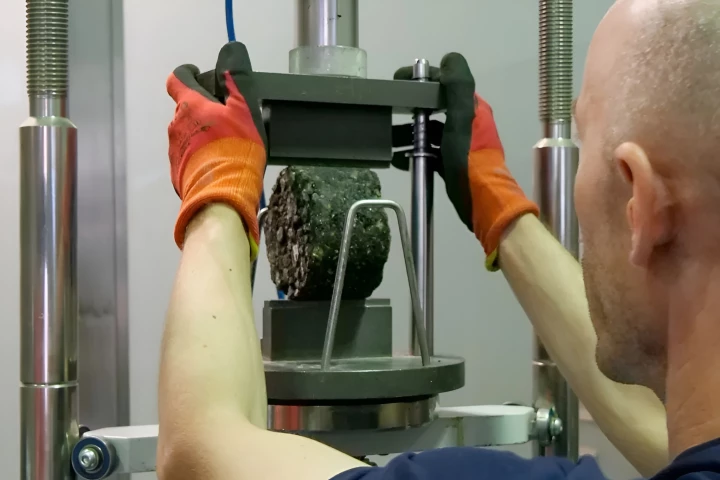 While we're used to seeing cigarette butts littering public roads, such butts may soon be making their way into those roads, strengthening them in the process. It's all part of a recycling effort, which should also reduce the need for road repairs.
 -
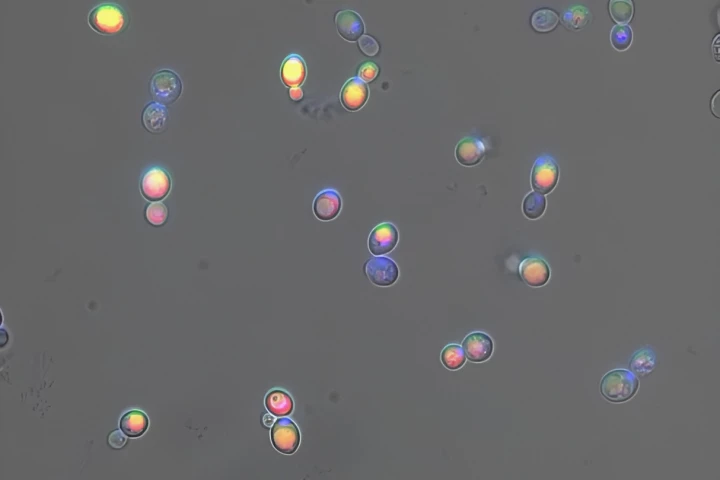 There may be a new use for that urine you've been so thoughtlessly flushing. Scientists say it could be an alternate source of a valuable bone- and tooth-repair material, with a little help from a genetically modified type of yeast.
 -
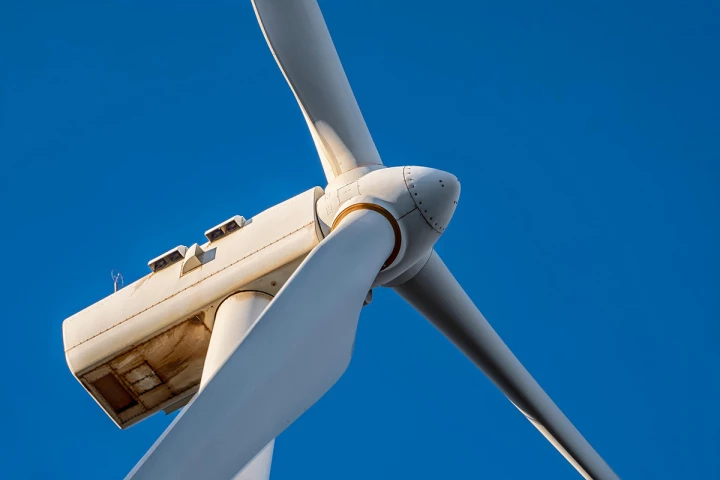 Recycling wind turbine blades is hard because they're built to weather the elements for decades. Researchers have devised a way to use discarded blades to create strong and durable plastics – without resorting to the use of harsh chemicals.
 -
 It's both challenging and crucial to recycle wind turbine blades, because they are built to last decades and don't degrade quickly in landfills. An Australian firm has hit upon a radical solution: it's turning those old fins into surfboards.
 -
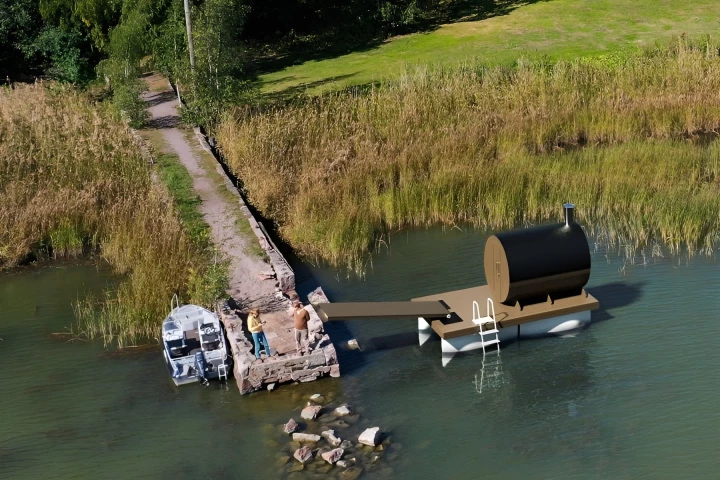 Old, discarded wind turbine blades don't biodegrade. They do, however, float if sealed. Finnish startup Reverlast is capitalizing on that fact, by taking end-of-use blades and converting them into stylish floating docks.
 -
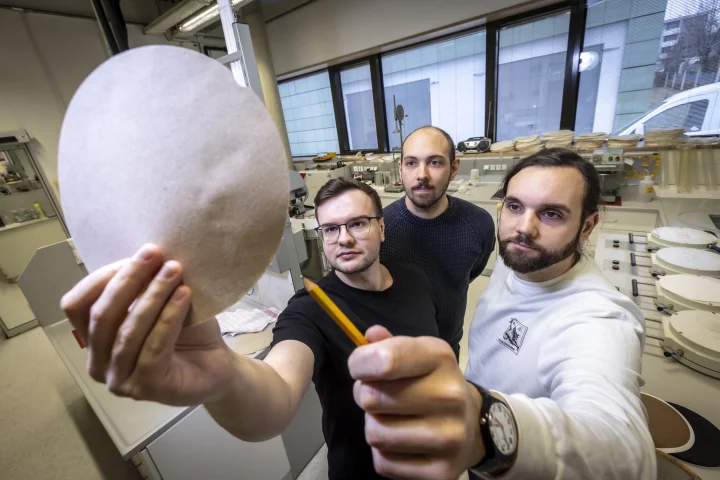 While it's great that many types of paper can now be recycled, textile waste is still mostly dumped or burned. A new technique could change that by combining the two materials, using discarded cotton clothing to boost the strength of packaging paper.
 -
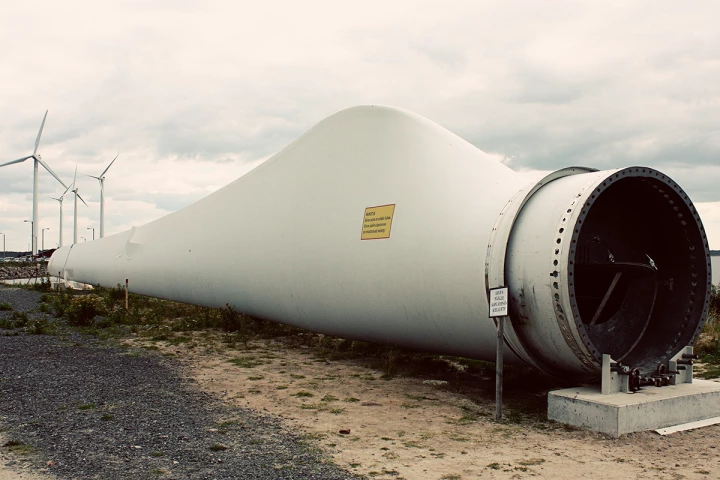 As much as wind turbines are great for producing clean energy, disposing of them when the time comes can be challenging. Researchers in China have hit upon a clever way to use discarded blades to build long-lasting roads.
 -
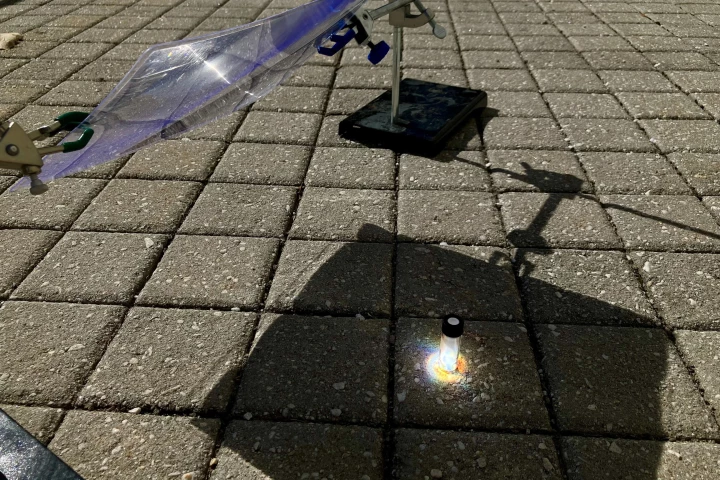 Many objects are made of black plastic, which has so far proven to be very hard to recycle. US scientists have devised a new method of recycling black polystyrene, however, using sunlight and an ingredient that's already present in the plastic.
Load More