
Princeton University
-
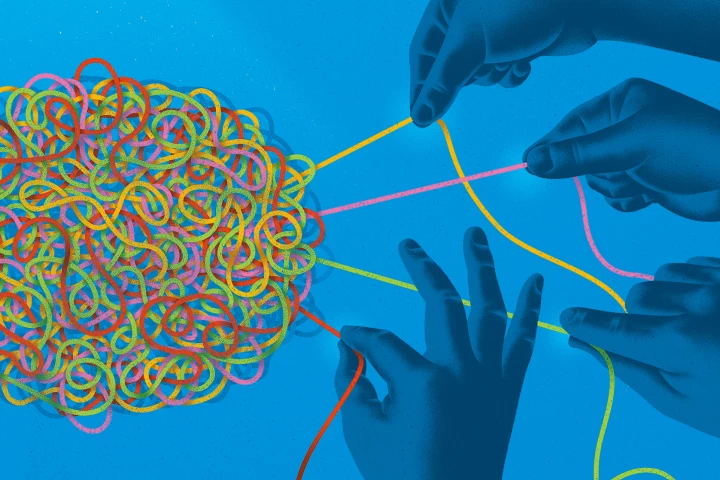 We know autism is not a single, homogeneous condition. Instead it's shaped by different traits, genes, and life experiences. Scientists have now discovered four distinct types of autism, each with its own biological signature.
 -
 While obesity significantly increases the risk of many cancers, scientists have now uncovered that there are specific dietary fat drivers that impede the body's ability to fight tumors. This landmark reveals that not all fats are created equal.
 -
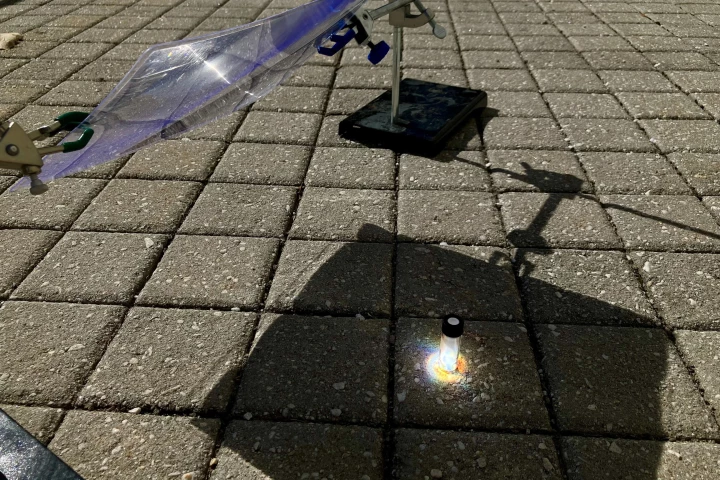 Many objects are made of black plastic, which has so far proven to be very hard to recycle. US scientists have devised a new method of recycling black polystyrene, however, using sunlight and an ingredient that's already present in the plastic.
 -
 Americans aged 25-65 years are dying at far higher rates than their peers from other high-income countries, even surpassing death rates in Central and Eastern Europe. A new study examines what's caused the three-decade rise in midlife mortality.
 -
 Although lithium can be found in hard mineral ores, it's more often extracted from very salty (aka briny) groundwater. The latter task could soon be much quicker and eco-friendlier, thanks to a new string-based extraction technique.
 -
 Evidence shows fasting diets can enhance cancer treatment and a new mouse study has found adding a keto diet to chemotherapy tripled survival time compared to chemotherapy alone. A human clinical trial testing the combination treatment is now underway.
 -
 Impressive new research has shown how a common diabetes drug can be inactivated by bacterial enzymes produced in the oral and gut microbiome. The researchers speculate this process may explain why the drug is not effective in some diabetic patients.
 -
 Researchers at Princeton focusing on a single gene central to the ability of most major cancers to metastasize have discovered what they describe as a "silver bullet," in the form of a compound that can disable this gene in mice and human tissue.
 -
 Sharing information is crucial for species to survive, but how do simple lifeforms like worms spread the word? New research has found that roundworms can transfer “memories” to their neighbors, and pass them down to their offspring for generations.
 -
 Princeton University researchers have made a breakthrough in the world of molecular machines, by using self-assembling peptides to form the world's tiniest interlocked biomechanical structures, measuring just one billionth of a meter in size.
 -
 Princeton physicists have accidentally discovered an unexpected quantum behavior in an insulator that was thought to be unique to metals. The find suggests a brand new type of quantum particle, which the team calls a neutral fermion.
 -
 Borexino, a huge underground particle detector in Italy, has picked up a never-before-seen type of neutrino coming from the Sun. These neutrinos confirm a 90-year-old hypothesis and complete our picture of the fusion cycle of the Sun and other stars.
Load More