
Pollution
-
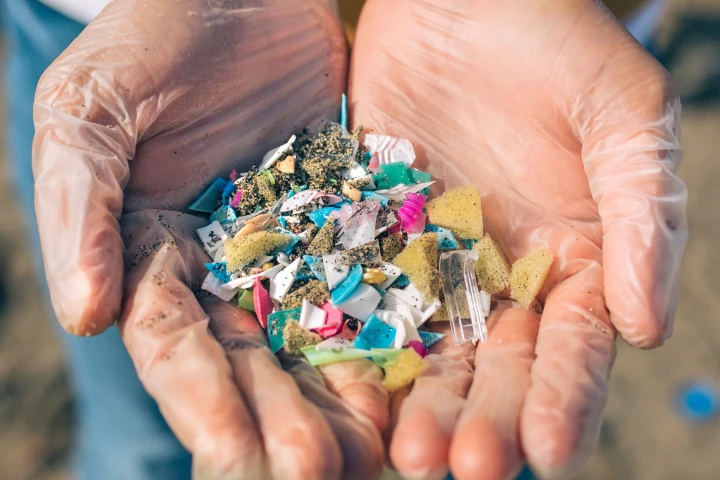 A recent study builds on previous findings, discovering that people who had experienced a serious heart attack also had higher levels of MNPs than healthy volunteers and patients with chronic ischemic heart disease.
 -
 We encounter different combinations of chemicals every day, depending on where we live, what we eat, the products we use and the work we do. Scientists suggest the best way to mitigate risks – and it doesn't involve sealing yourself in a bubble.
 -
 Researchers are using a laser-based imaging technique to map these tiny particles deep within the tissues of mice without surgery. This offers a fresh perspective on how microplastics move through the body and their long-term effects on human health.
 -
 A new study from Washington University School of Medicine in St. Louis, drawing on tens of thousands of participants in the UK and the US, suggests that the risk of developing cancer isn't just a matter of birthdays; it's about how fast bodies age biologically.
 -
 Paraquat is one of the world’s most widely used herbicides. It’s also highly toxic, and some research points to a link with Parkinson’s disease. But what does the evidence really say?
 -
 By following the journey of how PFAS move into the bodies of living things – including people – scientists like me are working to improve safety recommendations and usage guidelines for these chemicals.
 -
 The Blue Mountains west of Sydney draw millions of visitors a year. Unfortunately, the Blue Mountains are also the site of a controversial investigation into water contamination with “forever chemicals”, also called PFAS.
 -
 The explanation is weirder than you might think – in fact, the sky is probably closer to violet. Tiny air molecules and larger particles like dust and pollution scatter sunlight in different ways, painting the sky from deep violet to hazy white.
 -
 A nuclear production facility in Washington state, called the Hanford site, once forged the plutonium that reshaped the world. Now it’s forging glass; a quiet act of undoing at one of Earth’s most contaminated sites.
 -
 Cockroach infestations can worsen allergies and asthma in children, especially in low-income urban homes. Now researchers are better understanding why after discovering bacteria in their guts can release harmful substances called endotoxins into the air.
 -
 New research had made a striking link between a mother’s exposure to “forever chemicals” during pregnancy and the shape of her child’s brain at age five. The findings can't say whether these changes are positive or negative.
 -
 A new study found stranded dolphins show brain damage eerily similar to that of people with Alzheimer's. Just like people with dementia sometimes wander far from home, scientists think dolphins with Alzheimer's might get confused at sea.
Load More