
Ovarian Cancer
-
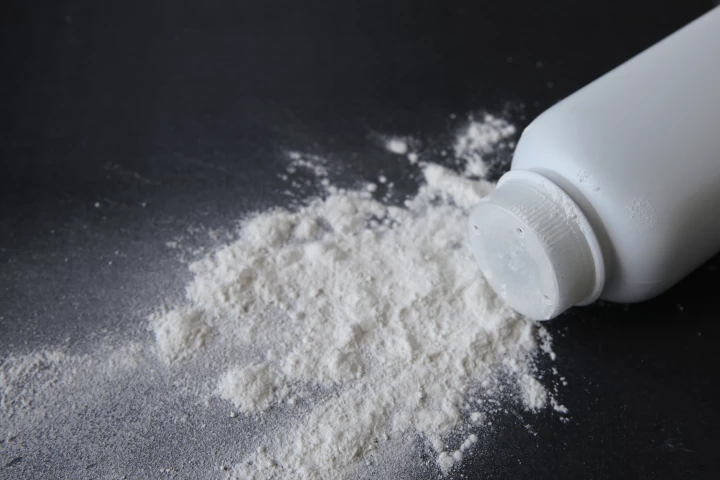 The World Health Organization's cancer research agency has delivered a damning report on the soft mineral talc, calling it "probably" carcinogenic to humans, in particular powders that have been contaminated with asbestos during the mining process.
 -
 High-grade serous ovarian cancer is an aggressive, hard-to-treat type of ovarian cancer. A new study has identified the genes involved in forming a particular type of tissue which, if growing in tumors, is associated with a better prognosis.
 -
 Ovarian cancer is marked by low survival rates and a high rate of recurrence despite treatment. But a promising cancer-fighting drug is undergoing clinical trials, providing hope for women whose cancer has returned following chemotherapy.
 -
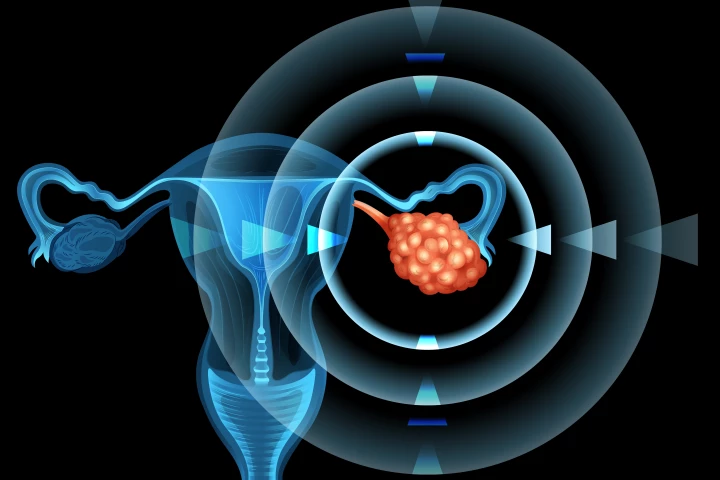 Nearly 20,000 women will receive an ovarian cancer diagnosis in 2023. But new findings into how resilient cells help neighbor cells also resist chemotherapy may lead to more effective treatment of a disease that has a recurrence rate of more than 70%.
 -
 Researchers at the University of Pennsylvania have developed an electronic nose that may be able to sniff out signs of cancer from blood plasma samples. In tests, the device was able to detect a range of cancer types with over 90 percent accuracy.
 -
 “Synthetic lethality” is where genetic mutations that normally don’t harm a cell become deadly when paired up. Now, scientists have found a way to use this to selectively kill off cancer caused by genetic mutations, without harming healthy cells.
 -
 Preliminary results from a small human trial testing a novel cancer drug revealed over half the cohort had their tumors stop growing completely. The drug, called berzosertib, is now moving to larger clinical trials.
 -
 A jury in St. Louis has awarded US$4.69 billion to 22 women who were claiming Johnson & Johnson’s talcum powder products contained asbestos and induced ovarian cancer. Despite the weak and inconclusive scientific links, this is the largest payout yet in a series of ongoing court cases on the topic.