
ORNL
-
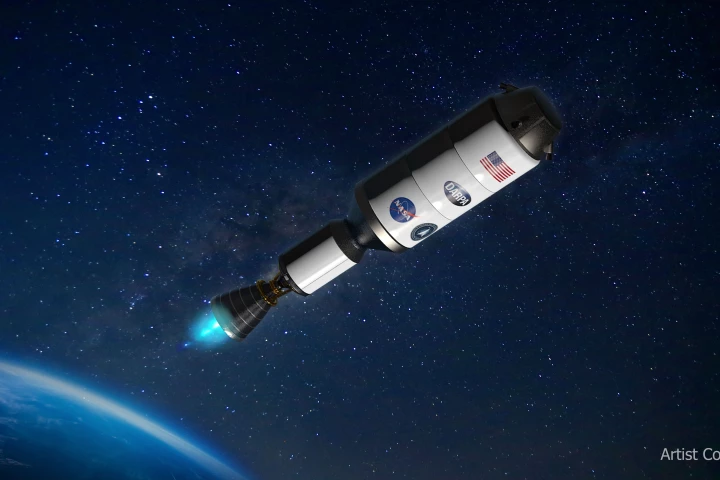 How do you control a nuclear space propulsion system? Very carefully. To help with this, the Oak Ridge National Laboratory (ORNL) has built a simulated nuclear reactor test bed to develop the engines that could send astronauts to Mars and beyond.
 -
 Oak Ridge National Laboratory and Sierra Space Corporation have developed a new heat shield based on venerable 1980s Space Shuttle technology to protect the next generation of reusable spacecraft from the deadly heat of reentry.
 -
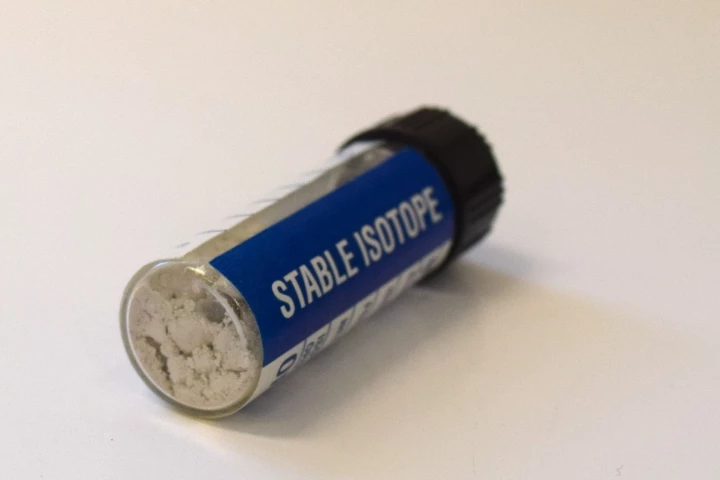 To make the United States self-sufficient in rare exotic elements, the Oak Ridge National Laboratory (ORNL) has developed a latest generation electromagnetic isotope separator (EMIS) to harvest stable isotopes across the entire periodic table.
 -
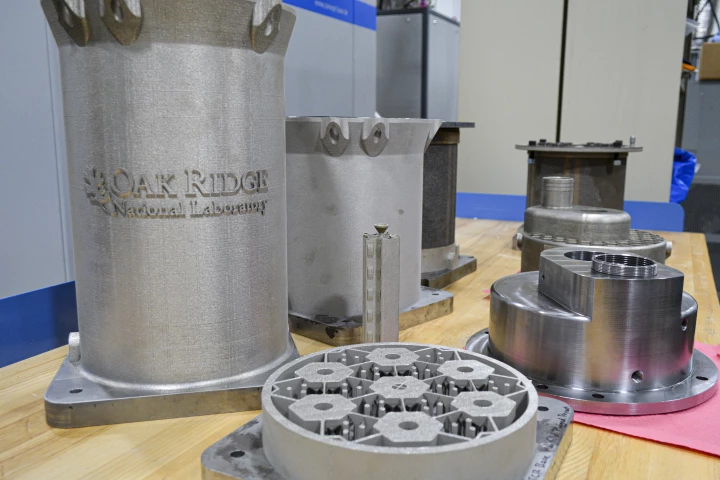 ORNL has developed a 3D-printed nuclear reactor core prototype, with the ultimate goal of creating an advanced, full-sized, 3D-printed reactor with integrated sensors and controls from fewer components by 2023.
 -
 To help power American's deep space probes, The Oak Ridge National Laboratory (ORNL) has automated key steps in the process to make plutonium-238 (PU-238) nuclear fuel for radiothermal generators (RTG).
 -
 Carbon capture technology typically takes the form of sponge-like materials that are used to trap excess CO2 at the places it is released. Now, scientists have created a means of drawing it right out of the ambient air – and the technology involves using a liquid to turn the CO2 gas into crystals.
 -
 In an effort to avert an outer space energy crisis, the US Department of Energy's Oak Ridge National Laboratory (ORNL) has restarted production of plutonium-238 (PU-238) after almost 30 years.
 -
 A team of researchers is seeking to challenge the theory that the anode, cathode and electrolyte of a battery can only work independently, experimenting with a dual functioning electrolyte that supplements the cathode, resulting in a significant improvement of the battery's capacity and lifespan.
 -
 The Oak Ridge National Laboratory (ORNL) has introduced Titan, the world’s most powerful supercomputer.
 -
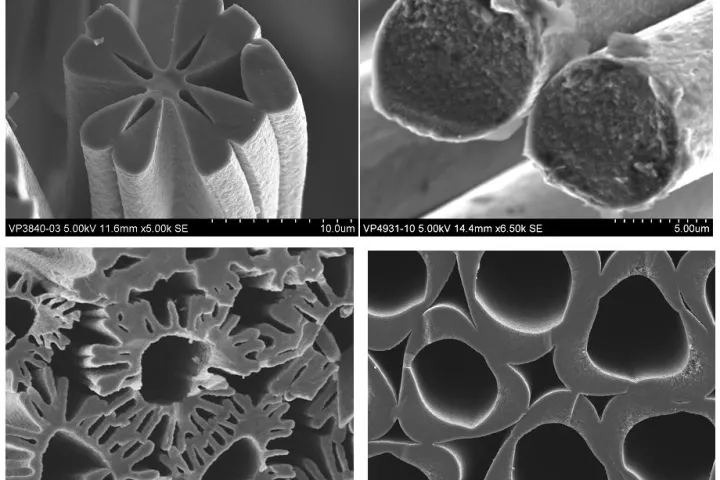 Scientists have created a method of producing carbon fiber from scrap polyethylene plastic.
 -
 A new "culturomics" research project has used a supercomputer to examine a dataset made up of a quarter-century of worldwide news coverage to forecast and visualize human behavior.
 -
 In a step towards synthetic solar conversion systems to generate hydrogen, researchers have now developed a biohybrid photocoversion system inspired by photosynthesis that can convert visible light into hydrogen fuel.
Load More